


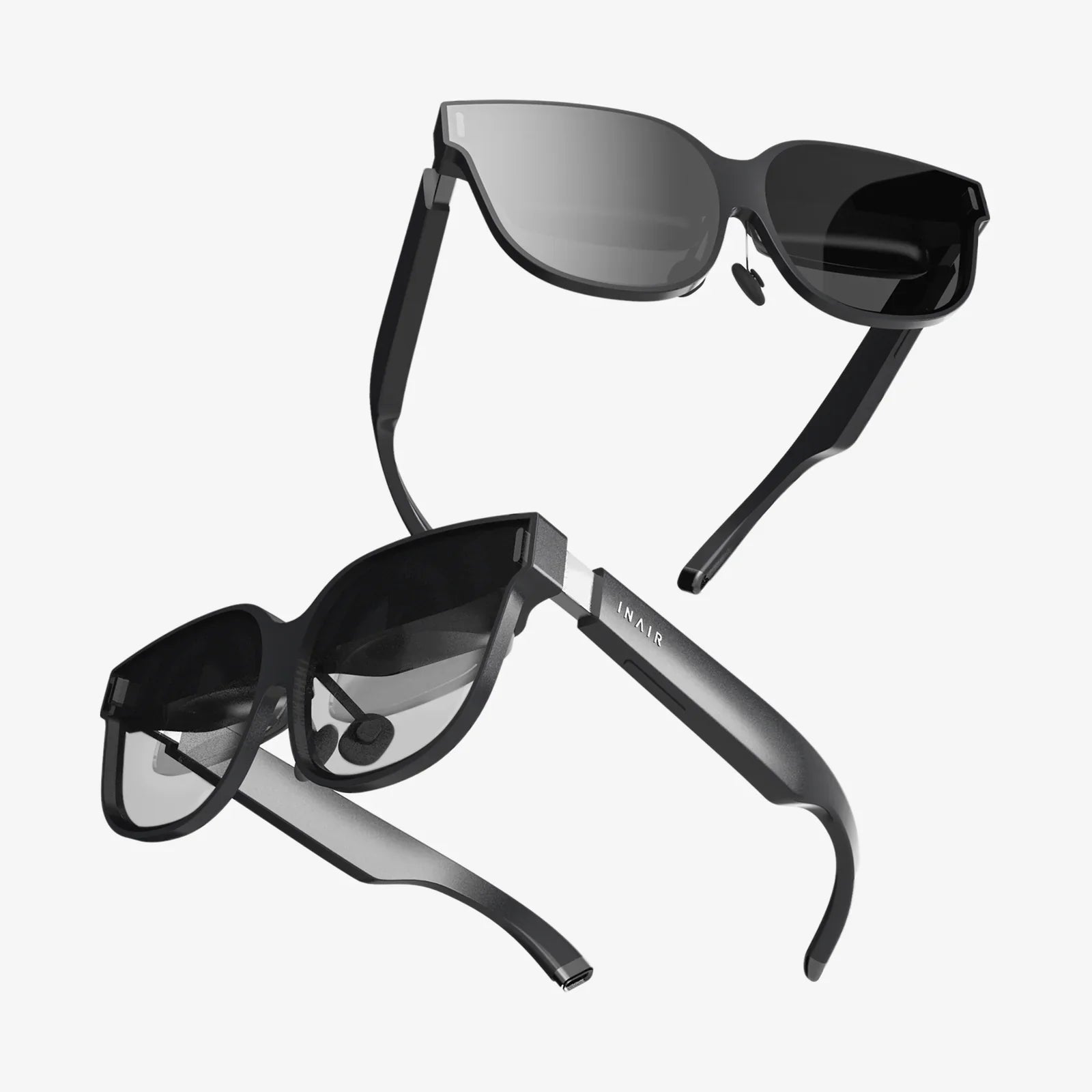
The world of technology is on the cusp of a revolution, one that promises to liberate our hands and refocus our eyes from the small screens in our palms to the vast world around us. The whispers are getting louder, the prototypes more refined, and the implications more profound. This isn't just another gadget launch; it's the beginning of a fundamental shift in how we interact with information, and it’s all happening right before our eyes.
The Evolution from Novelty to Necessity
The concept of computer-enhanced vision is not new. For decades, it has been a staple of science fiction, from the Terminator’s heads-up display to the more sophisticated augmented realities depicted in countless films. Early attempts to bring this technology to market were met with curiosity but ultimately fell short, hampered by clunky designs, limited battery life, underwhelming processing power, and a lack of a compelling use case. They were solutions in search of a problem.
What has changed? The convergence of several critical technological advancements has finally created the perfect storm. The miniaturization of processors has reached a point where significant computational power can be housed within the slim arms of a pair of spectacles. Breakthroughs in waveguide and micro-LED display technology allow for crisp, bright images to be projected onto transparent lenses without obstructing the user's natural view. Most importantly, the maturation of artificial intelligence, particularly in the fields of natural language processing, computer vision, and contextual awareness, provides the indispensable brain for these smart eyes. An AI assistant is no longer a simple voice command tool; it is a sophisticated, ambient, and proactive partner that understands the context of your surroundings.
Beyond Voice Commands: The Power of Contextual Awareness
The true magic of modern AI assistant glasses lies not in their ability to hear you, but in their ability to see what you see and understand your situation. This moves the interaction paradigm far beyond the simple "Hey, play some music" of current smart speakers.
Imagine walking through a foreign city. Your glasses don't just show you a floating arrow for navigation; they recognize the architecture of a building you're looking at, overlay its historical information, and even translate the menu posted outside a restaurant in real-time. The AI isn't waiting for a command; it's anticipating your needs based on visual and locational cues.
In a professional setting, a technician performing a complex repair could have schematics, torque specifications, and step-by-step instructions layered directly onto their field of view, with the AI highlighting the specific component they are looking at. A medical student observing a surgery could see vital signs and anatomical labels superimposed on the patient. The applications are boundless, transforming every industry by delivering hands-free, eyes-forward information precisely when and where it is needed.
A Glimpse into the Daily Life Transformed
To understand the potential impact, let's paint a picture of a day in the near future, powered by AI assistant glasses.
- The Morning Routine: As you get ready, your glasses provide a brief overview of your day—meetings, weather, traffic. You quickly scan a news headline on your mirror while brushing your teeth. You ask about your first meeting, and a few key points about the attendees and agenda appear subtly in your periphery.
- The Commute: Walking to the train, turn-by-turn directions are seamlessly integrated into your path. You listen to an audiobook, but when you arrive at the platform, your glasses automatically display the train schedule and any delay alerts. You never once take out your phone.
- At the Grocery Store: You have a recipe in mind. As you walk the aisles, your glasses highlight the ingredients you need on the shelves. It can even cross-reference your personal health data to suggest alternatives that align with your dietary goals, and instantly compare prices per unit.
- Social Interactions: At a networking event, the glasses discreetly remind you of the name and professional background of someone approaching you, pulling from a prior connection on a professional network. It feels less like cheating and more like having a perfect, discreet personal assistant.
- Evening Relaxation: Watching a film? The glasses can create an immersive, personal theater experience on any wall. Struggling to identify a constellation while stargazing? The AI outlines and names each one.
This isn't a fragmented experience of constantly switching between devices; it's a continuous, ambient flow of useful information that enhances reality rather than distracting from it.
Navigating the Thorny Path: Privacy and the Social Contract
This powerful technology does not arrive without significant challenges, the greatest of which is privacy. The notion of a device that is always on, always watching, and always listening is understandably unsettling. The potential for misuse, unauthorized surveillance, and data exploitation is a serious concern that manufacturers and society must address head-on.
Transparency will be paramount. Users must have absolute clarity and control over what data is being collected, how it is being processed (whether on the device or in the cloud), and who has access to it. There is a strong argument for "edge computing," where the vast majority of data processing—especially from cameras and microphones—happens directly on the glasses themselves, with only essential information being sent to the cloud. This minimizes the risk of massive data breaches and ensures personal moments remain personal.
Furthermore, clear visual and auditory cues must be developed to signal when the device is recording or transmitting data, both to reassure the user and to inform those around them. The social etiquette of wearing such devices in conversations, meetings, and public spaces will need to be negotiated. Will it be considered rude to wear them during a dinner conversation? Will stores ban them to prevent price comparison? These are non-technological hurdles that are just as critical to widespread adoption.
The Competitive Landscape and Future Trajectory
The recent flurry of activity and announcements in this space signals a fierce and coming competitive battle. While specific brands cannot be named, it is clear that some of the world's largest tech giants, alongside agile startups, are investing billions into cracking the code for the perfect pair of AI glasses. Some are focusing on a consumer-first approach, emphasizing style and seamless integration with existing mobile ecosystems. Others are targeting enterprise and industrial applications, where the ROI in efficiency and safety is easier to quantify.
The next few years will be a period of rapid iteration. We can expect to see improvements in battery technology, perhaps leveraging solar or kinetic charging. Display technology will become brighter, higher resolution, and more energy-efficient. The AI models will grow more sophisticated, moving from reactive assistants to truly proactive partners that can reason and problem-solve based on a deep understanding of your habits and preferences.
Long-term, the goal is clear: to make the technology disappear. The ideal pair of AI assistant glasses should be indistinguishable from a regular, stylish pair of spectacles or sunglasses—lightweight, all-day comfortable, and socially acceptable. The intelligence within should be so seamlessly integrated into our lives that it feels like a natural extension of our own cognition.
A New Lens on Reality
The journey toward ubiquitous computing has been long and winding, taking us from room-sized machines to devices in our pockets. The next logical step is to move beyond the device altogether, to weave computing into the very fabric of our perception. AI assistant glasses represent that pivotal leap. They promise to break down the barrier between the digital and physical worlds, offering a more intuitive, immersive, and ultimately more human way to access the vast knowledge and capabilities of the internet.
They won't replace smartphones overnight, but they will begin to usurp their role as our primary gateway to digital information. The potential to enhance productivity, unlock new forms of creativity, improve accessibility, and deepen our understanding of the world around us is staggering. While the path forward is paved with valid concerns over privacy and social norms, the genie is out of the bottle. The future is not on your desk or in your pocket; it’s on your face, and it’s looking back at the world with intelligent, assistive eyes. The way we see everything is about to change forever.
Share:
Future Touch Technology: Beyond the Screen and Into the Air
Android 3D Virtual Reality: The Unseen Revolution Reshaping Our Digital World