


Imagine pointing your phone at a blank wall and watching your dream living room materialize before your eyes, a curated space filled with furniture that perfectly matches your taste and existing décor, all without you uttering a single word. This isn't a glimpse into a distant future; it's the palpable, transformative power of AI for AR marketing happening today. This powerful convergence is moving beyond simple gimmicks to become the most significant shift in digital engagement since the advent of the internet itself, promising a world where marketing is not just seen but experienced, personalized, and deeply integrated into our physical reality.
The Foundation: Understanding the Core Technologies
Before delving into the synergy, it's crucial to understand the two distinct forces at play. Augmented Reality (AR) overlays digital information—images, videos, 3D models—onto the user's view of the real world through a device, typically a smartphone or smart glasses. It enhances reality rather than replacing it. Artificial Intelligence (AI), and particularly its subset machine learning (ML), refers to the ability of a computer system to mimic human cognitive functions like learning, problem-solving, and pattern recognition.
For years, these technologies developed on parallel tracks. AR struggled with clunky user experiences and a lack of true personalization, often offering one-size-fits-all digital overlays. AI, while powerful, often operated in the abstract, analyzing data behind the scenes. Their merger is what unlocks a new dimension of utility and engagement.
The Symbiotic Relationship: How AI Supercharges AR
The true magic of AI for AR marketing lies in the symbiotic relationship between the two. AI acts as the brain, while AR serves as the senses and the voice. AR captures the real-world environment, and AI processes that data in real-time to make the AR experience intelligent, responsive, and deeply relevant.
Intelligent Object Recognition and Tracking
Basic AR can place a static 3D model of a product in your room. AI-powered AR, however, can understand what it's looking at. Through advanced computer vision, an AI algorithm can identify not just a flat surface but specific objects. Point your phone at your running shoes, and an AI-driven AR experience could recognize the model, overlay data about its mileage, suggest a replacement, and even demonstrate the new version's advanced features in your space. This moves AR from pre-programmed triggers to dynamic, context-aware interactions.
Hyper-Personalization in Real-Time
This is the crown jewel of the partnership. AI leverages vast datasets—user preferences, past purchase history, browsing behavior, and even real-time biometric data (with consent)—to tailor the AR experience uniquely for each individual.
- Beauty and Fashion: A makeup app doesn't just show you generic red lipstick; it uses AI to analyze your skin tone, facial features, and current lighting conditions to recommend and apply the perfect shade of red for you virtually.
- Retail: An apparel retailer's AR mirror doesn't just show you how a jacket fits; it suggests complementary items from your wishlist or previously viewed products, creating a personalized styling session.
- Home Decor: An app doesn't just let you place a generic sofa in your lounge; it uses AI to learn your style from your Pinterest board or past purchases and recommends products that match your aesthetic, scaled perfectly to your room's dimensions.
Data-Driven Insights and Optimization
Every interaction within an AR experience generates a wealth of data. AI is essential to parse this data and extract actionable insights. Marketers can move beyond simple engagement metrics to understand:
- Which products are "tried on" most frequently?
- At what point in the user's interaction do they drop off?
- How long do users engage with a virtual object?
- What are the heatmaps of user interaction within the AR space?
AI can analyze this data to continuously A/B test and optimize the AR experience itself, tweaking the placement of digital objects, the user interface, or the call-to-action to maximize conversion rates and engagement. This creates a feedback loop where the marketing becomes smarter and more effective with every use.
Natural and Intuitive User Interaction
AI-powered natural language processing (NLP) and gesture recognition break down the barriers between the user and the digital overlay. Instead of tapping buttons, users can ask questions about the product they're viewing in AR—“How durable is this fabric?” or “Does this come in navy blue?”—and get immediate, vocalized answers. They can use hand gestures to rotate, resize, or customize the virtual product, creating a seamless and immersive experience that feels like magic.
Transforming Industries: Practical Applications
The theoretical power of AI for AR marketing is already manifesting in tangible campaigns across numerous sectors, revolutionizing the customer journey from awareness to post-purchase support.
Retail and E-commerce
This is perhaps the most fertile ground for this technology. It directly addresses the primary pain point of online shopping: the inability to try before you buy.
- Virtual Try-On: From eyewear and watches to makeup and hats, consumers can see how products look on them with stunning accuracy, drastically reducing return rates and increasing consumer confidence.
- Virtual Placement: Customers can visualize how a piece of furniture, appliance, or artwork will look and fit in their actual home, eliminating guesswork and buyer's remorse.
- Interactive Manuals: After purchase, pointing a phone at a product can overlay interactive instructions, highlight parts for troubleshooting, or show a virtual expert demonstrating how to use a feature.
Automotive and Manufacturing
Car manufacturers are using AR catalogs that allow users to place a full-scale, photorealistic model of a vehicle in their driveway. AI can then personalize the experience further, changing the car's color based on user preference, highlighting engine specifications as the user looks at the hood, or demonstrating the interior features when they peer inside.
Gaming and Entertainment
While popular AR games have already demonstrated mass appeal, AI introduces narrative adaptability. The game's story, challenges, and characters could adapt based on the player's location, time of day, and even their emotional state inferred from behavior, creating a truly unique and personal adventure for every user.
Navigating the Challenges and Ethical Considerations
Despite its immense potential, the path forward for AI in AR marketing is not without significant hurdles.
- Privacy and Data Security: These technologies require access to cameras and generate unprecedented amounts of personal and environmental data. The ethical collection, anonymization, and security of this data are paramount. Transparency with users about how their data is used is non-negotiable.
- Technical Barriers: Creating high-fidelity, seamless AR experiences requires significant computational power, robust bandwidth (e.g., 5G), and advanced hardware. The digital divide could create a gap between those who can access these experiences and those who cannot.
- User Adoption and Avoidance of "Creepiness": There's a fine line between helpful personalization and perceived invasiveness. An AR experience that feels too knowing without explicit permission can alienate users. The value exchange must be clear: your data for a dramatically improved and useful experience.
The Future is Augmented and Intelligent
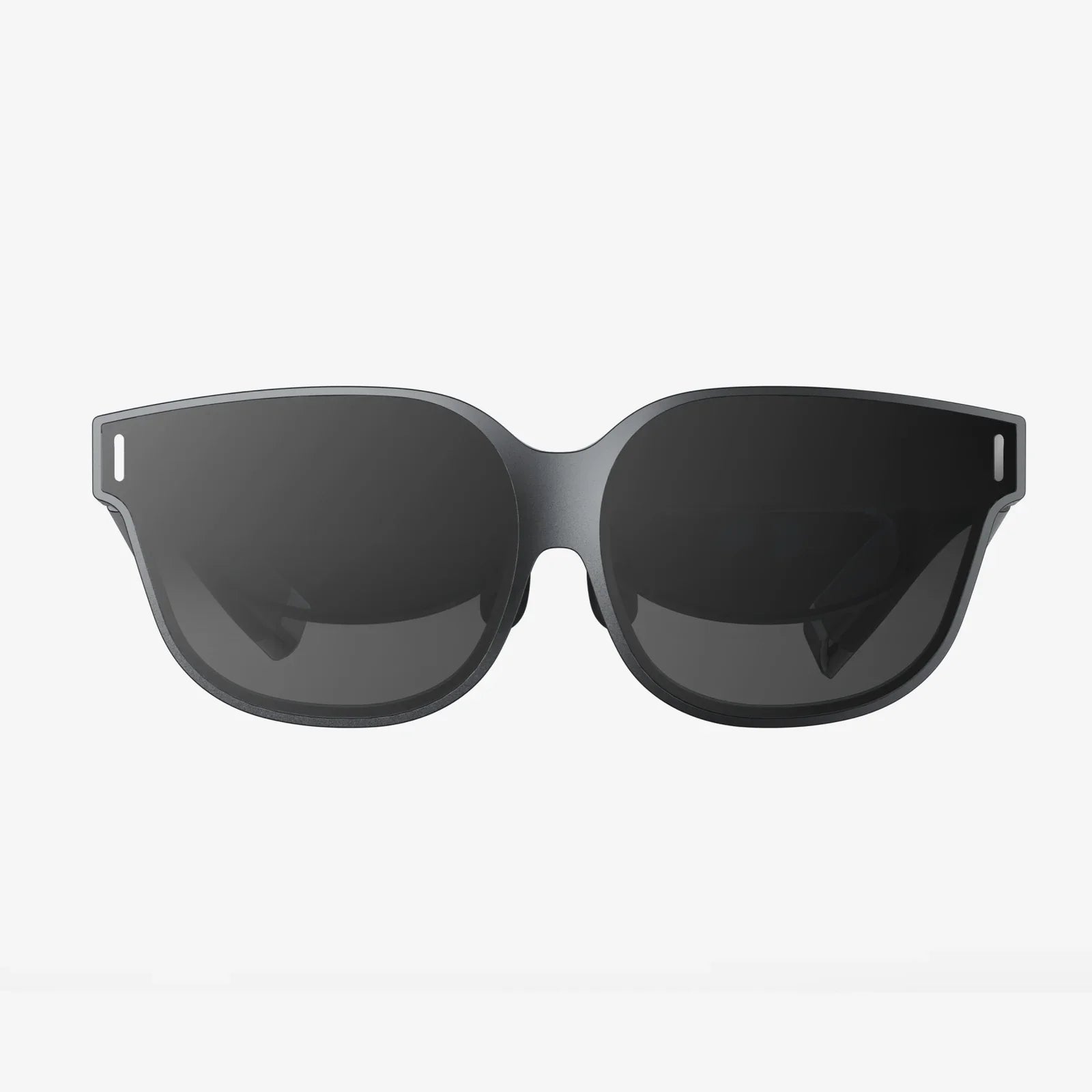
As we look ahead, the evolution of AI for AR marketing will be guided by several key trends. The proliferation of wearable AR glasses will move these experiences from the smartphone screen into our everyday field of vision, making them always available and contextually integrated. AI will achieve a deeper semantic understanding of environments, not just recognizing a table but understanding it's a dining table in a mid-century modern styled home, allowing for even more precise product recommendations. Furthermore, the rise of the generative AI and the immersive internet will enable the real-time creation of dynamic, unique AR content tailored to the user's immediate context and desires.
The fusion of AI and AR is not merely another marketing channel; it is a fundamental rewiring of the relationship between brands and consumers. It shifts the paradigm from telling a story to inviting the consumer to live it, from broadcasting a message to initiating a personalized, interactive dialogue within the consumer's own world. The brands that will thrive are those that embrace this not as a technological experiment but as a core tenet of their customer experience strategy, building respectful, useful, and truly magical bridges between the digital and the physical. The door to this new reality is now open, and the first step is as simple as looking through your screen.
Share:
Are Wearables Popular? The Unstoppable Rise of Technology on the Wrist and Beyond
VR Meaning: A Deep Dive Into the Virtual Reality Revolution Reshaping Our World