


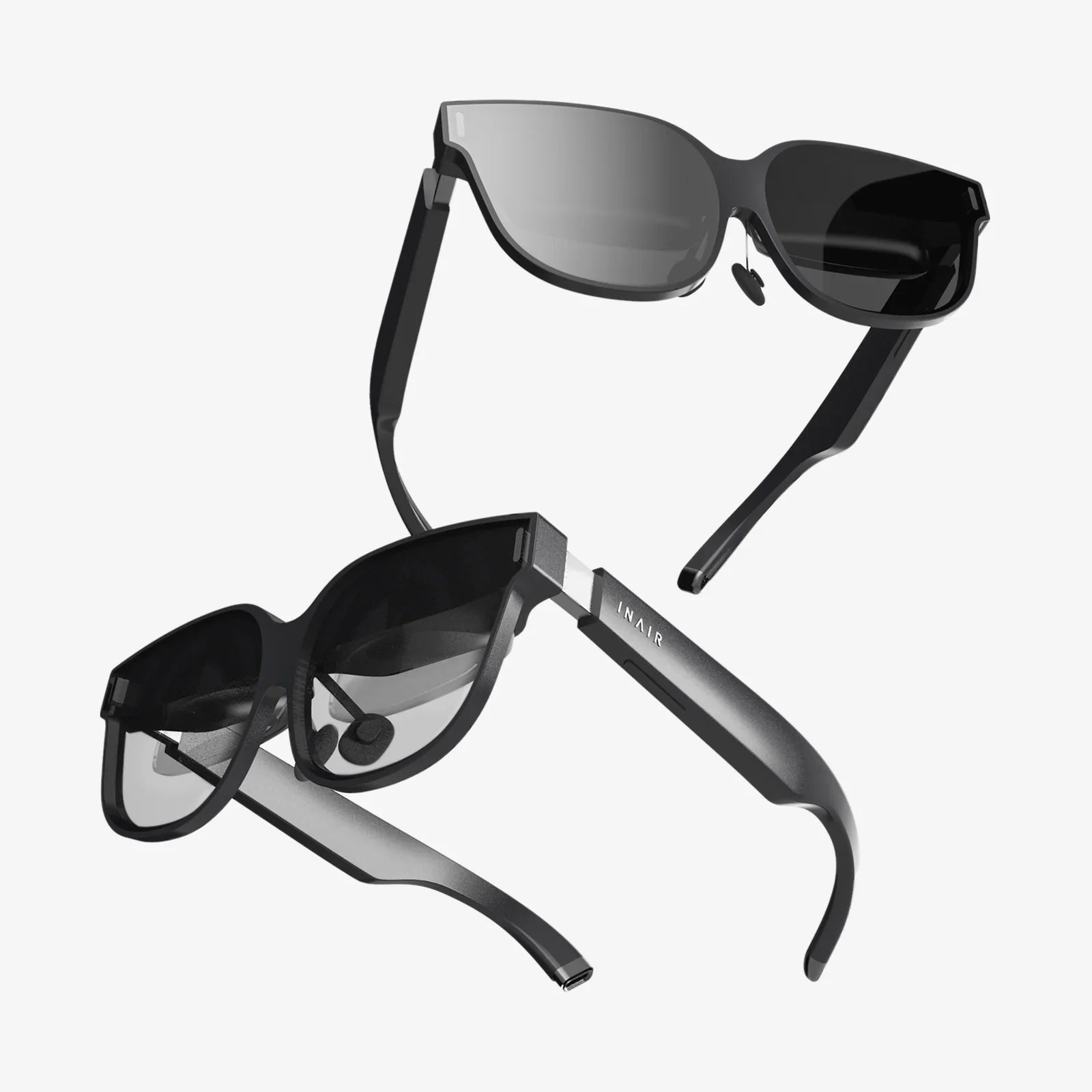
Imagine stepping through a portal into another world, a realm limited only by the imagination, where you can walk on Mars, perform heart surgery, or stand center stage at a concert. This is no longer the stuff of science fiction; it is the palpable, thrilling reality offered by Virtual Reality, a technology whose profound meaning and potential we are only just beginning to grasp. The journey to understand VR meaning is a journey to the forefront of a digital revolution that is reshaping perception, interaction, and existence itself.
The Core Definition: What Exactly Is Virtual Reality?
At its most fundamental level, Virtual Reality (VR) denotes a computer-generated simulation of a three-dimensional environment that can be interacted with in a seemingly real or physical way by a person using special electronic equipment. But this sterile definition barely scratches the surface of its true meaning. VR is an experience. It is the sensation of presence—the undeniable, often startling feeling of actually being in the digital space, your mind convinced by the illusion. This is achieved through a sophisticated combination of hardware and software designed to hijack the senses, primarily sight and sound, to create a convincing, immersive alternate reality.
The Technology Behind the Illusion: Building Blocks of a New Reality
Understanding VR meaning requires a look under the hood. The magic is woven from several key technological components:
Head-Mounted Displays (HMDs)
These are the goggles or helmets that serve as your window into the virtual world. They contain high-resolution screens placed mere centimeters from your eyes, often using lenses to widen the field of view (FOV) and create a panoramic experience. The quality of the display is paramount, as low resolution or a narrow FOV can break the sense of immersion.
Tracking Systems
For the world to feel real, your movements must be reflected within it. This is accomplished through intricate tracking of head and, often, hand positions. Inside-out tracking uses cameras on the HMD itself to map the room, while outside-in tracking uses external sensors placed around the play area. This data is processed in real-time, adjusting the perspective of the virtual world with imperceptible latency to match your every turn, duck, and glance.
Controllers and Haptic Feedback
Interaction is a cornerstone of VR meaning. Handheld controllers, and increasingly, gloves or finger-tracking technology, allow you to reach into the virtual world and manipulate objects. This is enhanced by haptic feedback—subtle vibrations and force sensations that simulate touch. The feeling of pulling a virtual trigger, catching a ball, or feeling the virtual wind resistance as you move your hand adds a critical layer of tactile authenticity.
Audio Engineering
3D spatial audio is arguably as important as the visual component for creating presence. Sounds in a VR environment come from specific locations, changing volume and tone based on your position and orientation. The creak of a floorboard behind you will sound exactly as it should, compelling you to turn around, further anchoring you in the experience.
Beyond Entertainment: The Expansive Applications of VR
While gaming is a massive driver of VR adoption, the true meaning of this technology extends far beyond. It is a tool for transformation across countless fields.
Education and Training
VR is revolutionizing learning by transforming it from a passive to an active experience. Medical students can practice complex surgical procedures on virtual patients without risk. History students can take a guided tour of ancient Rome. Mechanics can learn to repair a jet engine by taking apart a perfect digital replica. This experiential learning dramatically improves knowledge retention and skill acquisition.
Healthcare and Therapy
The therapeutic potential of VR is staggering. It is used for exposure therapy, helping patients with phobias like fear of heights or flying to confront their anxieties in a safe, controlled environment. It aids in physical rehabilitation, turning painful exercises into engaging games. Surgeons use VR to plan and rehearse complex operations, and the technology is even being explored for pain management, distracting burn victims during wound care.
Design and Architecture
Architects and interior designers are using VR to conduct virtual walkthroughs of unbuilt structures. Clients can don a headset and experience the scale, flow, and lighting of a future home or office, making changes before a single brick is laid. This saves immense time and resources and ensures the final product meets expectations.
Social Connection and Remote Work
VR is evolving into a new platform for social interaction. Virtual meeting spaces allow colleagues from across the globe to collaborate as if they were in the same room, sharing 3D models and data visualizations they can walk around and manipulate. This redefines remote work, making it more personal and productive than a simple video call.
The Human Experience: Psychological and Social Implications
The deeper meaning of VR lies in its impact on the human psyche and society. It offers unparalleled empathy-building experiences, allowing users to literally see the world through another's eyes, whether a refugee in a camp or a person with a disability. This power to foster understanding is profound.
However, it also raises important questions. As these virtual worlds become more compelling, what is the risk of escapism? How do we maintain a healthy balance between our physical and digital lives? The concept of the "metaverse"—a persistent network of shared virtual spaces—promises a new frontier for economy, identity, and community, but it also necessitates careful consideration of digital ethics, privacy, and security.
Challenges and the Road Ahead
For all its promise, VR is not without hurdles. Achieving true photorealistic graphics and overcoming the slight latency that can cause motion sickness for some users are ongoing technical challenges. The cost of high-end equipment, while decreasing, remains a barrier to mass adoption. Furthermore, creating a seamless, comfortable, and wireless experience is the industry's holy grail.
The future likely holds advancements like varifocal displays that mimic how our eyes naturally focus, haptic suits for full-body immersion, and brain-computer interfaces for more intuitive control. These innovations will further blur the line between the real and the virtual, deepening the meaning and impact of VR.
The quest to define VR meaning reveals it is far more than a gadget; it is a paradigm shift in human-computer interaction. It is a canvas for creativity, a scalpel for surgeons, a classroom for students, and a bridge for communities. It challenges our perceptions of what is real and offers a glimpse into a future where our digital and physical lives are seamlessly intertwined. As this technology continues its rapid evolution, its ultimate meaning will be written by how we choose to wield this extraordinary power to learn, heal, connect, and explore the infinite landscapes of human imagination.
Share:
AI for AR Marketing: The Ultimate Guide to the Next Digital Revolution
AI Free Edit: The Revolutionary Shift in Content Creation and Digital Storytelling