


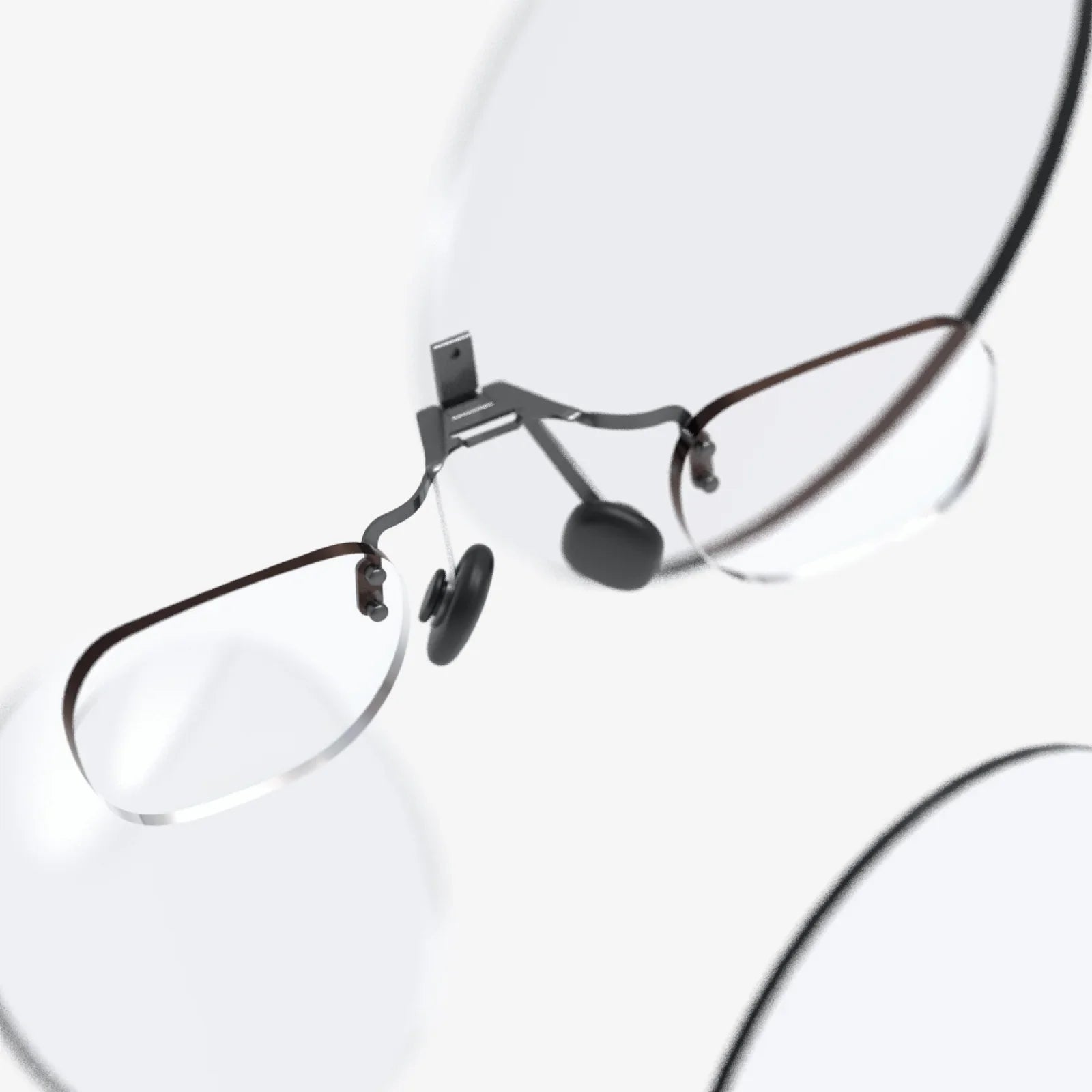
The world is on the cusp of a visual computing revolution, and it’s not happening on our phone screens. It’s happening right before our eyes. A new generation of wearable technology is emerging from the labs and into the mainstream, promising to seamlessly blend the digital and physical worlds in ways we’ve only seen in science fiction. This isn't just about augmented reality overlays; it's about intelligent, context-aware companions that see what we see, understand our environment, and provide information and assistance in real-time. The race to dominate this nascent market is fierce, with a diverse array of companies, from tech titans to agile startups, all vying to create the definitive device that will grace the faces of millions. The conversation is no longer about if this will happen, but which vision of the future will win.
The Core Technologies Powering the Next Generation of Eyewear
Before delving into the landscape of creators, it's crucial to understand the technological symphony that makes these devices possible. Modern AI glasses are a marvel of miniaturization and integration, packing an astonishing amount of hardware and software into a form factor that aims for social acceptance.
Advanced Display Systems: The primary interface between the user and the digital world is the display. Several technologies are competing for dominance. Waveguide optics, which use microscopic gratings to project light directly into the retina, allow for sleek, relatively normal-looking designs. Micro-LED displays offer incredible brightness and efficiency, crucial for outdoor use. The challenge remains in creating displays that are high-resolution, vibrant, and energy-efficient without adding bulk or significantly compromising battery life.
Sensing and Perception Suite:
For the glasses to understand the world, they are equipped with a sophisticated array of sensors. This typically includes high-resolution cameras for capturing visual data, depth sensors (like LiDAR or time-of-flight sensors) for mapping the environment in 3D, inertial measurement units (IMUs) for tracking head movement and orientation, and microphones for capturing audio. This sensor fusion creates a rich, real-time data stream of the user's surroundings. On-Device AI and Processing:
The true "intelligence" comes from processing this sensor data. While some processing can be offloaded to a paired smartphone or via cloud connectivity, low-latency, real-time interaction requires powerful, efficient on-device processing. Dedicated AI accelerators, or Neural Processing Units (NPUs), are now being integrated directly into the glasses' chipsets. This allows for immediate tasks like object recognition, text translation, and spatial mapping without the lag of a round trip to a remote server, preserving both speed and user privacy. Audio Innovations:
The auditory experience is equally important. Spatial audio technology creates the illusion that sounds are coming from specific points in the environment, enhancing immersion. More critically, audio beamforming technology uses an array of microphones to focus on a specific speaker in a noisy room, while speakers built into the frames can deliver sound directly to the user's ears without needing earbuds, allowing them to remain aware of their surroundings. Not all AI glasses are created equal. The market is already stratifying into distinct categories based on their primary function and technological ambition. The Assistive and Productivity-Focused Segment: This category prioritizes practicality and social acceptability above all else. These devices often look very similar to standard eyeglasses, with a subtle display or indicator light being the only visible sign of their tech origins. Their AI capabilities are geared towards real-world utility: real-time language translation displayed in your field of view, transcription of conversations, navigation arrows superimposed on the street ahead, or identifying objects and products. They are designed as all-day companions for professionals, travelers, and individuals seeking a cognitive aid. The Immersive Augmented Reality Segment: This category represents the more futuristic vision of AR. These devices feature more prominent displays that can render complex 3D graphics and interactive elements into the user's entire field of view. The goal is full immersion—for gaming, complex design visualization, remote collaboration where digital avatars share your physical space, or interactive guided tutorials. The trade-off is often a larger, more headset-like form factor and higher power consumption, though rapid advancements are continually shrinking these devices. The Camera-Centric and Content Creation Segment: Some early entrants into the market focused primarily on first-person perspective (POV) video and photo capture, leveraging AI for framing, editing, and live streaming. While this functionality is becoming a standard feature across all categories, it was the foundational purpose for some of the first-generation devices, appealing to vloggers, athletes, and everyday users wanting to capture life hands-free. The arena is crowded with different types of players, each bringing unique strengths, resources, and philosophies to the table. The Tech Behemoths: The world's largest technology companies have the resources to invest billions in long-term research and development. Their strategies often involve creating not just the hardware, but the entire ecosystem—the operating system, the developer tools, and the app store. Their approach is typically ambitious, aiming for a comprehensive AR platform that will serve as a successor to the smartphone. They can afford to iterate over multiple generations, absorbing losses on early hardware to establish a dominant market position for the future. The Agile Startups: Numerous innovative startups are operating in this space, often unburdened by the legacy systems or massive scale of the giants. They can move quickly, take bigger risks on novel form factors or niche applications, and often focus on a specific use case or technology. Some have found success by targeting enterprise and industrial applications first, where the ROI for hands-free assistance is clear (e.g., for field technicians, surgeons, or warehouse logistics), providing the capital and real-world testing needed to eventually refine a consumer product. The Established Eyewear Giants: Traditional optical and sunglasses companies bring a critical asset to the fight: deep expertise in fashion, fit, and mass manufacturing of comfortable, stylish frames. Their strategy often involves partnerships with technology firms, embedding tech into designs that people already find attractive and are accustomed to wearing. Their focus is on normalization and style, believing that technological capability is meaningless if people don't want to wear the device in public. The Specialized Enterprise-Focused Developers: A significant portion of development is happening outside the consumer spotlight, targeting specific business and industrial verticals. These companies produce ruggedized, high-performance glasses designed for challenging environments like factory floors, construction sites, or medical facilities. Their AI is trained on highly specific datasets to help identify faulty components, overlay complex schematics, or guide a repair procedure step-by-step. While the futuristic applications capture the imagination, the real-world use cases already demonstrating value are profoundly impactful. Revolutionizing Accessibility: AI glasses are proving to be a powerful assistive technology. For the visually impaired, they can identify and audibly describe objects, read text aloud from any surface, recognize currency, and even identify familiar faces, granting a new level of independence. For those who are deaf or hard of hearing, they can provide real-time captioning of conversations, effectively making every interaction subtitled. Transforming Language and Travel: The ability to look at a restaurant menu, a street sign, or a product label and see an instant translation breaks down one of humanity's oldest barriers. Travelers can navigate foreign countries with ease, engage in meaningful conversations with locals, and experience cultures without the constant friction of language, all through a seamless, intuitive interface. Supercharging Professional Workflows: In fields from medicine to engineering, technicians can keep their hands on their tools while accessing digital manuals, schematic diagrams, or remote expert guidance overlaid on the machinery they are repairing. Medical students can practice procedures on digital overlays, and architects can walk clients through a full-scale 3D model of a building before a single brick is laid. Redefining Social and Content Interactions: The way we capture and share experiences is evolving. The pervasive, always-ready camera allows for a more authentic and immersive form of documentation, from a child's first steps from a parent's perspective to a skier's descent down a mountain. This shift towards first-person storytelling has the potential to create deeper empathy and connection. This powerful technology does not arrive without significant concerns. The very features that make AI glasses remarkable—always-on cameras and microphones, constant environmental scanning, and facial recognition capabilities—raise profound questions about privacy and security. The Privacy Paradigm Shift: The concept of consent in public spaces becomes incredibly complex. If anyone can record audio and video discreetly, how do we protect the expectation of privacy? The potential for surreptitious surveillance, both by individuals and institutions, is a serious threat. Clear ethical guidelines, robust technical safeguards (like prominent recording indicator lights that cannot be disabled), and potentially new laws will be required to navigate this new reality. Data Security: These devices will collect an unprecedented amount of sensitive personal and environmental data. Where is this data stored? How is it processed? Who has access to it? A breach of such a dataset would be catastrophic. Manufacturers must prioritize end-to-end encryption and on-device processing by default to minimize the exposure of raw data. The Social Acceptance Hurdle: Beyond privacy, there is a simple social hurdle to overcome. The concept of talking to and interacting with a device on your face, or worrying that someone might be recording you, can create social anxiety and friction. The infamous "glasshole" stigma from early experiments highlights that technological success is inextricably linked to social acceptance. Design, transparency about recording, and clear social etiquette will be as important as silicon and software. Looking ahead, the trajectory points towards even greater integration and intelligence. We are moving towards photorealistic holograms seamlessly integrated into our environment, interactions controlled by subtle gestures and neural interfaces, and AI assistants that act as a true second brain, anticipating our needs and providing contextually relevant information before we even ask. The ultimate goal is for the technology to fade into the background—to become so intuitive, useful, and unobtrusive that we forget it's there, allowing us to focus more deeply on the people and world around us, enhanced but not interrupted by the digital layer. The battle for your field of vision is already underway, and the stakes couldn't be higher. This isn't just another gadget; it's a fundamental shift in how we interact with information and with each other. The winners of this race won't just be the companies with the best technology, but those who can solve the human equation—delivering on the promise of augmented living while building trust, ensuring privacy, and creating devices that feel less like computers and more like a natural extension of our own capabilities. The future is looking right back at us, and it's wearing a very smart pair of frames.A Spectrum of Approaches: From Assistive Tech to Full AR Immersion
The Contenders Shaping the Future Landscape
Beyond the Hype: Tangible Applications Changing Lives Today
Navigating the Minefield: Privacy, Security, and Social Challenges
Gazing Into the Crystal Ball: The Future of Connected Eyewear
Share:
PC Gaming Glasses: The Ultimate Guide to Protecting Your Eyes and Dominating Your Game
Augmented Reality Online: The Digital Layer Reshaping Our Reality