


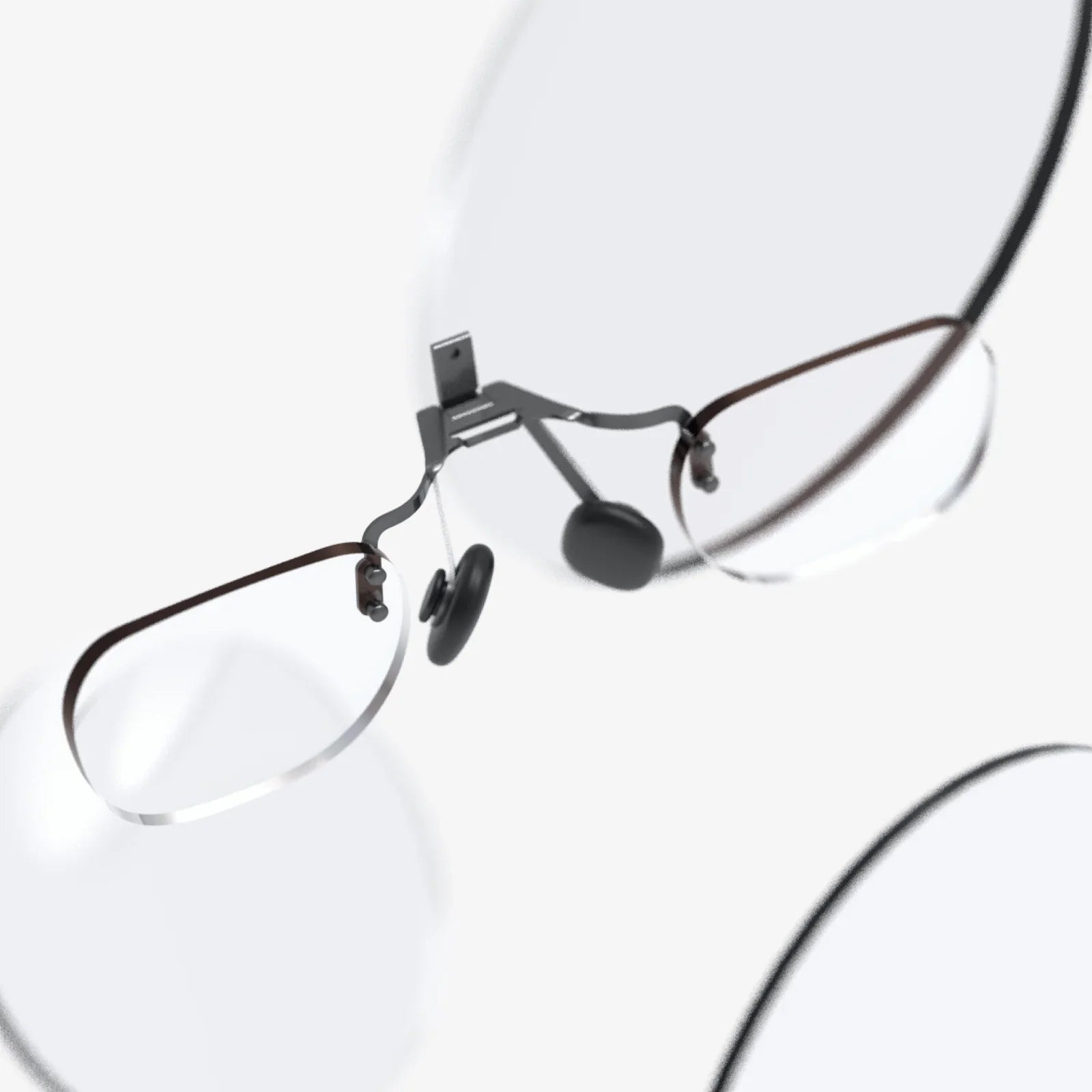
Imagine a world where your most stylish accessory doesn't just complete your outfit—it connects you to it, understands your needs, and enhances your reality. This is the promise and the burgeoning reality of AI glasses designed specifically for women, a category of wearable technology that is rapidly shedding its clunky, masculine-tech aesthetic in favor of sophisticated, fashion-forward designs. No longer a futuristic fantasy relegated to science fiction, AI-infused eyewear is making a powerful and elegant entrance into the mainstream, offering a seamless blend of high fashion and high function that appeals to the modern, multifaceted woman.
The Evolution of Wearable Tech: From Function to Fashion
For years, wearable technology, particularly smart glasses, was dominated by a utilitarian design philosophy. The primary goal was to house the technology, often resulting in bulky, conspicuous frames that prioritized engineering over elegance. This approach largely overlooked a significant portion of the market: women who value both technological innovation and personal style. The market was ripe for a shift, and the response has been a dramatic evolution in design thinking.
Today's leading designers and tech companies are embracing a new mantra: technology must be invisible, but the style must be undeniable. This means integrating advanced sensors, micro-projectors, and batteries into frames that are lightweight, comfortable, and, most importantly, aesthetically pleasing. The focus has moved from how to make the technology work to where to seamlessly embed it without compromising on form. This user-centric approach acknowledges that for technology to be truly adopted into daily life, it must be something people are excited to wear, not just tolerate.
Defining the Aesthetic: Key Style Trends in Women's AI Glasses
The aesthetic landscape of women's AI glasses is diverse, reflecting the varied personal styles of its users. However, several key trends have emerged as frontrunners, setting the standard for what constitutes a desirable and fashionable intelligent frame.
Minimalist Chic
Characterized by clean lines, thin metal or acetate frames, and a neutral or classic color palette (think black, tortoiseshell, gold, or silver), the minimalist design is a powerhouse. This style appeals to the professional woman seeking a subtle, elegant accessory that complements her wardrobe rather than overpowering it. The technology is so discreetly integrated that these glasses are often indistinguishable from high-end optical wear, making them perfect for the boardroom, a dinner date, or any setting where understated sophistication is key.
Bold and Architectural
On the opposite end of the spectrum, some designs lean into the tech-forward nature of the product. These frames make a statement with geometric shapes, oversized lenses, bold color blocks, and unique hinge details. This trend caters to the fashion-forward individual who views her glasses as a central part of her identity and personal brand. It’s a celebration of innovation, wearing the future proudly on her face.
Retro Revival
Nostalgia plays a powerful role in fashion, and AI glasses are no exception. Designs inspired by the cat-eye shapes of the 1950s, the round John Lennon-esque frames of the 60s, and the aviator styles of the 70s are being reimagined with smart capabilities. This fusion of vintage inspiration with cutting-edge technology creates a unique and timeless appeal, connecting the past and the future in a single, functional piece.
Beyond the Frame: Customization and Personalization
A critical aspect of modern style is individuality, and AI glasses for women are embracing this through unprecedented levels of customization. This goes beyond choosing a frame color.
- Interchangeable Components: Some models offer magnetic attachments, allowing users to swap out temple arms for different colors or patterns, or even attach specialized sensors for specific activities.
- Adaptive Display Tints: Lenses that automatically adjust their tint based on lighting conditions provide a custom visual experience while also serving as a stylish alternative to traditional transition lenses.
- Software Personalization: The AI itself can be tailored to individual preferences. From custom voice assistant personalities to notification filters that prioritize what matters most to the user, the technology adapts to the woman, not the other way around.
The Seamless Integration of AI into Daily Life
The true value of these devices lies not in their appearance alone, but in how their intelligence seamlessly integrates into and enhances the wearer's daily routine. The technology is designed to be assistive, not intrusive.
Imagine walking through a foreign city where the glasses translate street signs in real-time, overlaying the translation directly onto your field of vision without you having to fumble with a phone. Envision being in a meeting and receiving discreet, audio-only reminders of your talking points projected through bone conduction technology, leaving your hands free and your focus undivided. Think about shopping and instantly receiving information about the sustainability practices of the brand you're looking at, or seeing customer reviews hover next to a product on the shelf.
For the creative professional, AI glasses can serve as a portable, hands-free canvas, capturing inspiration the moment it strikes. A photographer could see a overlay of composition guidelines, while a designer could verbally note ideas that are instantly transcribed and saved. The applications are vast and deeply personal, transforming the glasses from a simple device into a proactive partner in navigating the complexities of modern life.
Addressing Privacy and Social Acceptance
Any discussion of wearable technology with cameras and sensors must confront the legitimate concerns of privacy and social etiquette. The specter of previous, less-discreet iterations of smart glasses created a stigma that the industry is actively working to overcome.
Modern AI glasses for women are being designed with clear and obvious privacy indicators. Many feature a physical shutter for the camera or a prominent LED light that activates whenever the camera is in use, ensuring those around the wearer are aware and comfortable. Furthermore, the industry is developing and adhering to strict ethical guidelines regarding data collection and usage, emphasizing transparency and user control. The goal is to build trust, assuring users and the public that this technology is a tool for enhancement, not intrusion.
The Future is Clear and Stylish
As the underlying technology—miniaturized sensors, battery efficiency, and augmented reality projection—continues to advance at a breakneck pace, the design possibilities will only expand. We are moving towards a future where the distinction between "smart glasses" and "glasses" will vanish entirely. Intelligence will become a standard, integrated feature, much like Bluetooth in headphones today.
Future iterations may include:
- Biometric sensors woven into the frame to monitor health metrics like stress levels or hydration.
- Haptic feedback to provide subtle, tactile notifications.
- Even more advanced display technology that can project high-definition, full-color images onto the retina.
- AI that evolves from reactive assistance to proactive support, anticipating needs based on context, schedule, and personal habits.
The trajectory is clear: AI glasses are not a passing gadget fad. They represent the next logical step in the convergence of our digital and physical lives. And for women, this means the power of a supercomputer is being elegantly packaged into a form that celebrates individuality, style, and empowerment. It’s technology that doesn’t ask you to change your look to accommodate it; it changes itself to complement you.
Forget clunky prototypes and awkward designs—the next generation of AI glasses is here, and it’s dressed to impress. This is more than an upgrade to your tech arsenal; it’s the key to a more connected, efficient, and intuitively enhanced life, all while looking impeccably stylish. The future of wearable intelligence is not on your wrist; it’s right before your eyes, designed to be as unique and sophisticated as you are.
Share:
Projection Based Augmented Reality: Illuminating a New Digital Layer on the Physical World
HD Virtual Glasses: The Next Frontier in Personal Computing and Immersive Experience