


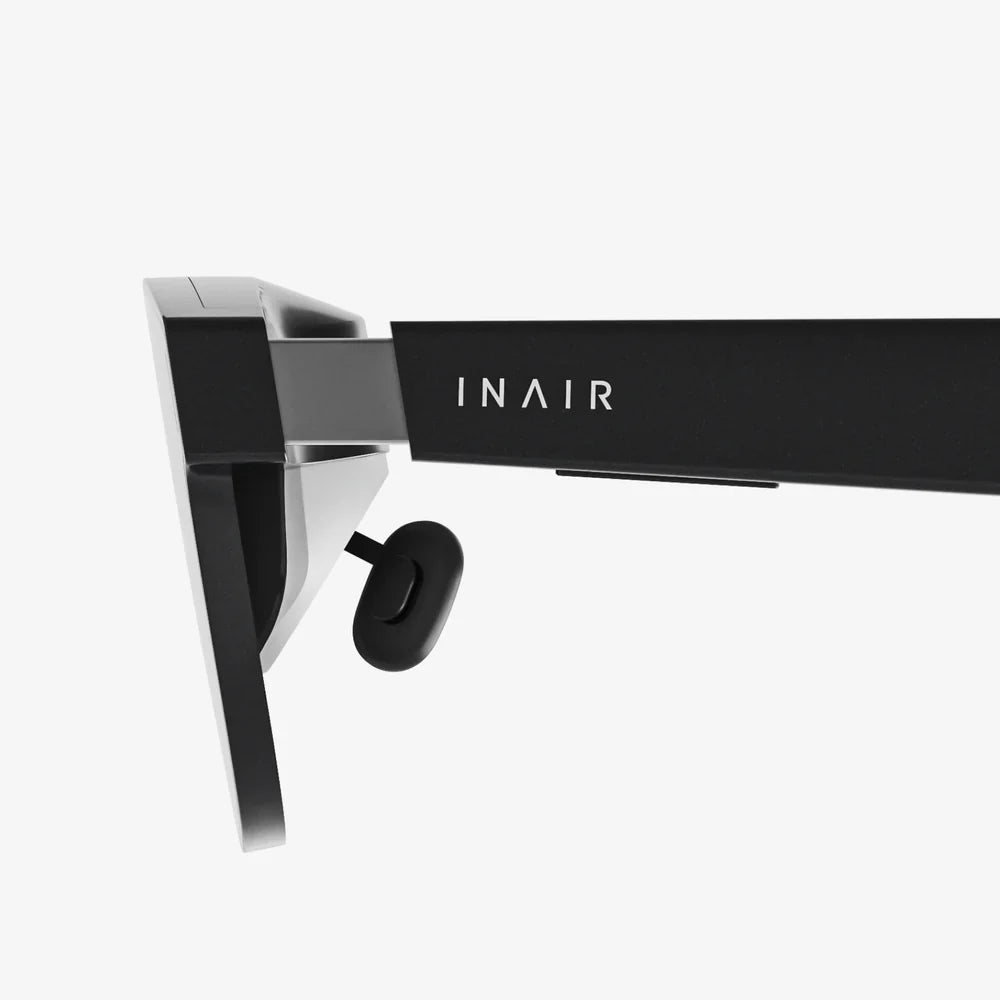
Imagine a world where information floats seamlessly before your eyes, where language barriers dissolve with a whisper, and your surroundings are overlaid with a digital intelligence that understands your every need. This is no longer the realm of science fiction; it's the burgeoning reality of AI glasses, and they are steadily making their way into the Indian market. For the tech-savvy consumer in Mumbai, the curious student in Bangalore, or the forward-thinking professional in Delhi, the question is no longer if but when and, more importantly, at what cost. The journey to owning a pair of these sophisticated devices begins with unraveling the complex tapestry of AI glasses price in India, a figure influenced by a myriad of factors from raw computational power to everyday design.
Demystifying the AI Glasses Spectrum: From Basic to Brilliant
The term "AI glasses" is not a monolith. It encompasses a wide range of devices with varying capabilities, and this diversity is the primary driver behind the vast price differences. Understanding these categories is the first step to contextualizing their cost in the Indian market.
Entry-Level Smart Glasses
At the most accessible end of the spectrum are devices that prioritize basic functionality and familiar form factors. These models often look very similar to standard eyeglasses but are equipped with a small speaker, a microphone, and a basic chipset. Their "AI" capabilities are typically limited; they might connect to a smartphone's virtual assistant to handle calls, play music, or provide simple notifications through audio cues. There is no visual display. For Indian consumers, this category represents the easiest entry point, with prices often starting in the lower range. They are ideal for someone who wants a hands-free audio experience without the bulk of headphones.
Mid-Range Augmented Reality (AR) Glasses
This is where the true magic of augmented reality begins to materialize and where prices see a significant jump. Mid-range AR glasses feature optical displays that project digital information onto the lenses, creating the iconic "heads-up display" effect. This allows users to see maps, read texts, view photos, or even watch videos superimposed on the real world. The AI in these devices is more advanced, capable of rudimentary object recognition, real-time translation of text seen through the camera, and more complex voice interactions. The hardware requirements for this—higher-resolution displays, more powerful processors, better cameras, and sophisticated optics—naturally command a higher price tag in India, placing them in a mid-to-upper price bracket that appeals to early adopters and professionals who can leverage the technology for work.
High-End Standalone AI Glasses
The pinnacle of current consumer technology, these devices are engineering marvels. They are designed to function as standalone computers, often with their own operating system and not reliant on a tether to a smartphone. They boast the most powerful processors, high-fidelity spatial audio, ultra-low-latency passthrough cameras, and advanced waveguides or microLED displays for stunning visual clarity. The artificial intelligence integrated into these glasses is profound, capable of on-device processing for complex computer vision tasks, continuous learning of user preferences, and deeply contextual awareness. The research, development, and cutting-edge components required to create such a self-contained unit of miniaturized technology result in a premium price point, positioning them as a luxury tech product for the Indian market.
The Anatomy of Cost: What You're Really Paying For
When you see a price tag for AI glasses in India, it's a culmination of several critical and expensive components. Breaking down this cost reveals why these devices are priced the way they are.
- The Display Technology: This is often the single most expensive component. Technologies like MicroOLED or advanced Laser Beam Scanning (LBS) modules are incredibly complex to manufacture. The quest for a display that is both bright enough for outdoor use and energy-efficient enough for all-day wear adds immense research and production costs.
- Processing Power: Running complex AI algorithms, processing high-resolution video feed from multiple cameras, and rendering digital graphics in real-time requires a powerful System-on-a-Chip (SoC). These are not off-the-shelf mobile processors but often custom-designed chips that add significantly to the bill of materials.
- Camera and Sensor Suite: To understand the world, AI glasses need to see it. They are equipped with an array of sensors: RGB cameras, depth sensors, inertial measurement units (IMUs), and time-of-flight sensors. Each high-quality sensor adds cost, and integrating them seamlessly into a glasses frame is a feat of industrial design.
- Battery Life and Efficiency: Perhaps the greatest engineering challenge is power. Fitting a battery that can last a meaningful amount of time into the slim arms of glasses, while managing the heat from powerful components, requires innovative solutions and expensive battery technology, directly impacting the final price.
- Research and Development (R&D): The cost of years of R&D is amortized into the price of each unit. For a nascent technology like AI glasses, these R&D costs are extraordinarily high, covering everything from software development to material science.
The Indian Market Context: Taxes, Import Duties, and Distribution
The AI glasses price in India is not just a reflection of its manufacturing cost. The Indian economic landscape plays a crucial role in shaping the final number that consumers see.
A significant portion of premium tech products are imported. The Government of India levies a customs duty (import duty) on these goods. This duty can be a substantial percentage of the product's value, which is then passed on to the consumer. Furthermore, the Goods and Services Tax (GST) in India, currently at 18% for most electronics, is applied to the total cost, which includes the landed cost plus the import duty. This double layer of taxation can inflate the price compared to markets like the US or UAE.
Beyond taxes, distribution channels add their own margin. Whether it's an e-commerce platform or a retail store, each link in the supply chain needs to make a profit, which is added to the final selling price. For brands selling directly to consumers online, this margin might be lower, but they still have to account for marketing, logistics, and after-sales support within India, all of which contribute to the final cost structure.
The Future of Pricing: A Curve Towards Affordability?
History has shown us that all transformative technologies follow a similar path: from exclusive and expensive to accessible and affordable. Televisions, mobile phones, and smartphones all started as luxury items before becoming ubiquitous. AI glasses are expected to follow the same trajectory. As component costs decrease through economies of scale, manufacturing processes improve, and competition intensifies, the AI glasses price in India will inevitably become more accessible to the average consumer.
We can expect to see a flourishing of the entry-level and mid-range segments, offering compelling features at progressively lower price points. Indian consumers are notoriously value-conscious, and the market will likely respond with devices that offer the core AR and AI functionalities that people want most, without the premium attached to cutting-edge, standalone capabilities. Furthermore, the growth of domestic manufacturing initiatives could help mitigate import duties and bring down costs significantly in the coming years.
Beyond the Price Tag: Evaluating True Value
While the initial purchase price is a major consideration, the true cost of ownership of AI glasses in India should be evaluated on a broader set of parameters. Potential buyers must consider the ecosystem: Is the software platform robust and supported? Are developers creating apps for it? What is the policy on data privacy and security, especially for a device that captures so much personal and environmental data? The after-sales service network is another critical factor; knowing you can get support or repairs within India is invaluable. Finally, one must assess the tangible benefits the device brings to their daily life—whether it's enhanced productivity, seamless connectivity, or entirely new forms of entertainment and learning. This value proposition is what ultimately justifies the investment, transforming the device from a costly gadget into an indispensable tool.
The landscape of AI glasses is shifting from a speculative future to a tangible present, and for Indian consumers, the calculus of purchase is evolving. It's no longer just about the number on the price tag but about understanding the symphony of technology, value, and personal utility that it represents. The perfect pair awaits at the intersection of your budget and your ambition, ready to open a window to a world augmented by intelligence.
Share:
AR VR Introduction: A Beginner's Guide to the Immersive Future
AR VR Introduction: A Beginner's Guide to the Immersive Future