


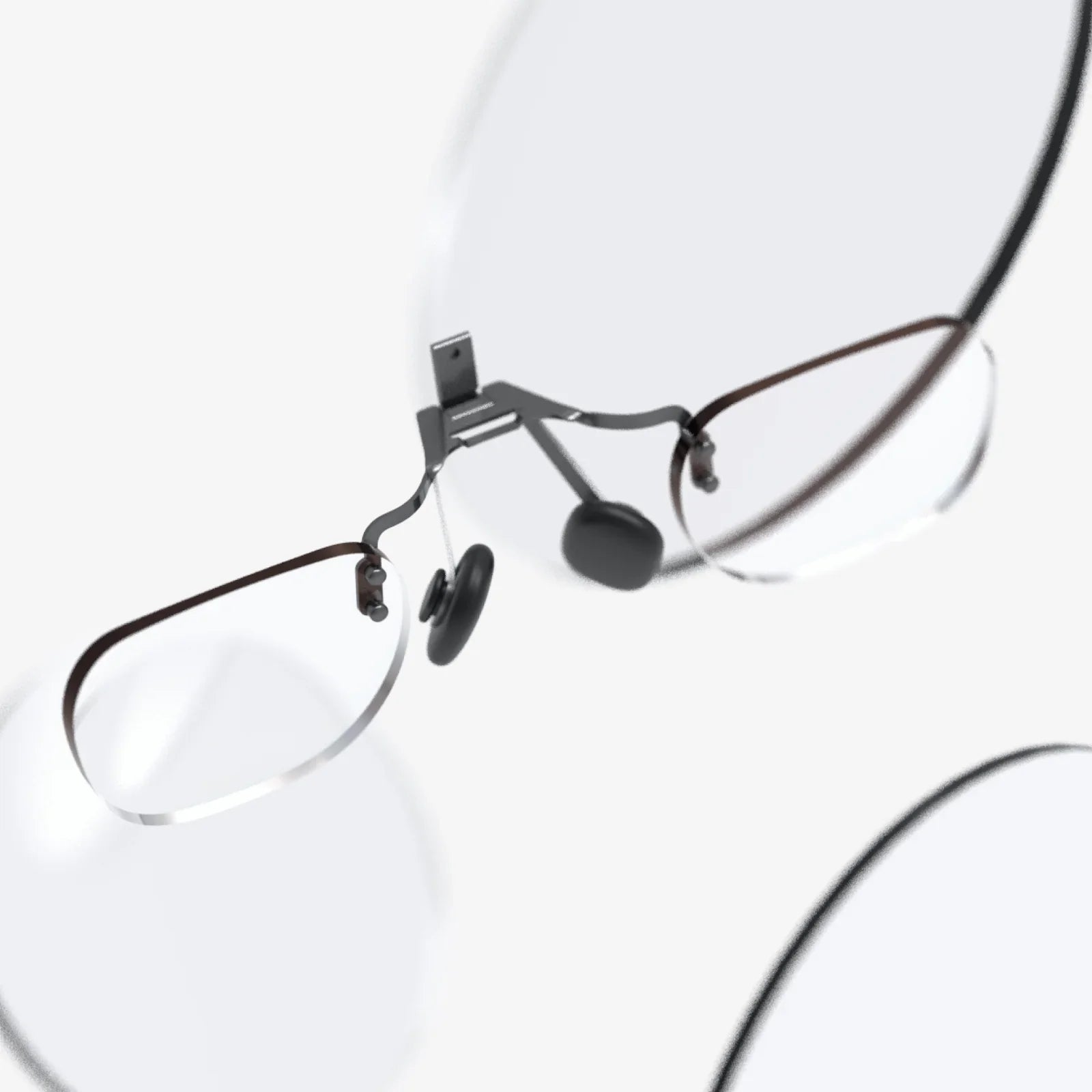
Imagine a world where the line between your digital life and physical reality doesn't just blur—it disappears entirely, all from a device that looks like a classic pair of shades. This isn't a scene from a science fiction movie; it's the reality being built today with artificial intelligence sunglasses. These cutting-edge wearables are poised to become the next indispensable piece of personal technology, moving beyond simple eye protection to become a powerful, intelligent assistant that sees the world with you. But what exactly do they do? The answer is far more revolutionary than you might think.
Beyond Vision Correction: The Core Concept
At their most fundamental level, AI sunglasses are a sophisticated convergence of hardware and software. They integrate miniature cameras, microphones, sensors, and a small onboard computer—all seamlessly embedded into the frames and lenses. The true magic, however, lies in the artificial intelligence that processes the vast amount of data these devices collect in real-time.
Unlike a smartphone that lives in your pocket, this technology is ambient and always accessible. It's designed to augment your experience of the world without requiring you to look down at a screen. The AI acts as a perceptual layer over reality, identifying, translating, and contextualizing everything you see and hear, delivering information directly to you, often through discreet audio or micro-displays.
A Deep Dive into Key Capabilities
The functionality of these devices is broad and ever-expanding, but several core features define the current state of the technology.
Real-Time Language Translation and Transcription
This is perhaps one of the most immediately impactful applications. Imagine traveling abroad and having conversations flow seamlessly despite a language barrier. The integrated microphones pick up spoken language, and the AI processes it, translating the speech almost instantly into your native tongue, which you hear through built-in speakers or bone conduction technology. Conversely, it can transcribe your spoken words and display a translated text for the other person to read. This effectively functions as a universal translator, breaking down one of humanity's oldest barriers.
Visual Search and Object Recognition
See the world through the eyes of an expert. By simply looking at an object, landmark, or even a type of plant, the AI can identify it and provide relevant information. This turns the world into an interactive encyclopedia.
- For shoppers: Look at a product on a shelf to instantly see reviews, price comparisons from online retailers, and nutritional information for food items.
- For students and tourists: Gaze at a historical building or painting in a museum to get a detailed audio history of its significance.
- For everyday life: Identify plant species on a hike, get the specs of a car you drive past, or even find recipe suggestions by looking at the ingredients in your fridge.
Augmented Reality Navigation
Say goodbye to holding your phone out in front of you to follow a blue dot on a map. AI sunglasses can project directional arrows, street names, and points of interest directly onto your field of vision, overlaying the real world. This allows for heads-up navigation, making it safer for pedestrians and cyclists to find their way without taking their eyes off their path. It can also provide indoor navigation, guiding you through complex spaces like airports, shopping malls, or large office buildings.
Advanced Health and Wellness Monitoring
By analyzing subtle changes in your voice, gait, and even the pupil through embedded sensors, some advanced models are beginning to incorporate health features. They can potentially track metrics like heart rate, monitor sun exposure to recommend when to apply more sunscreen, and even offer reminders to take breaks from screen time to reduce eye strain. This positions them as a proactive tool for personal well-being.
Accessibility and Assistance
The potential for enhancing accessibility is profound. For individuals with visual impairments, the AI can act as a descriptive guide, identifying obstacles on a sidewalk, reading text from signs or documents aloud, and describing the scene in front of them. For those with hearing difficulties, it can provide real-time captioning of conversations, effectively subtitling the world around them. This technology has the power to create a more inclusive and navigable environment for millions.
The Technology Under the Hood
This incredible functionality is powered by a stack of advanced technologies working in harmony.
- On-Device AI Chips: Specialized, low-power processors handle initial data processing directly on the glasses. This is crucial for basic tasks and maintaining user privacy, as not all data needs to be sent to the cloud.
- Computer Vision: This is the AI's ability to "see" and interpret visual data from the camera feed. It allows for object detection, facial recognition, and text reading.
- Natural Language Processing (NLP): This enables the AI to understand and generate human language, which is fundamental for translation, transcription, and voice commands.
- Cloud Computing: For more complex tasks that require immense computational power (like translating a rare language dialect), the data is securely sent to powerful cloud servers for processing before being relayed back to the glasses.
- Discreet Output Methods: Information is relayed through micro-speakers, bone conduction transducers (which send sound through the bones of the skull), or innovative micro-displays that project images onto the lenses themselves.
Navigating the Challenges: Privacy, Design, and Society
With such powerful capabilities come significant questions and challenges that society must address.
The Privacy Paradox
Devices with always-on cameras and microphones understandably raise privacy concerns. The idea of continuous recording in public and private spaces is a major ethical hurdle. Manufacturers address this with clear physical indicators like recording lights, strict privacy controls that give users ownership of their data, and a focus on on-device processing to minimize what is sent to the cloud. The conversation around consent and the right to not be recorded by someone else's wearable tech is ongoing and critical.
The Social Acceptance Hurdle
Early wearable tech, like the first generation of smart glasses, faced a social stigma, often labeled as "geeky" or intrusive. The success of AI sunglasses hinges on their ability to be fashionable and socially acceptable. This means designers must prioritize aesthetic appeal, creating styles that look like ordinary eyewear. The technology must be subtle and not disruptive to normal social interactions, ensuring the wearer can engage with people without the device becoming a barrier.
Battery Life and Connectivity
Powering such advanced technology in a small form factor is a constant engineering challenge. Users will not adopt a device that needs charging every few hours. Similarly, a reliable and fast internet connection is vital for cloud-dependent features. Advances in battery technology, energy-efficient chips, and 5G connectivity are key to making these devices viable for all-day use.
The Future Vision: Where Do We Go From Here?
The current capabilities are just the beginning. The future of AI sunglasses points toward even deeper integration into our daily lives. We can anticipate advancements in biometric security, where your glasses authenticate your identity for payments and access. Holographic displays could replace physical screens altogether. Further integration with other devices in the smart home and IoT ecosystem will create a seamlessly connected experience. Ultimately, they may evolve into the primary interface for the nascent metaverse, serving as a gateway between our physical and digital existences.
The true power of AI sunglasses isn't in any single feature, but in their seamless integration of information and reality. They promise a future where knowledge is instantaneous, communication is boundless, and our interaction with the digital world is effortless and intuitive. They are not just about what they do today, but about the profound potential they hold to reshape human experience, connection, and understanding tomorrow. The next time you put on a pair of sunglasses, you might just be putting on a window to a smarter world.
Share:
Independent VR Headset: The Untethered Revolution Reshaping Reality
VR Headset Under 5000: Your Ultimate Guide to Affordable Immersion