


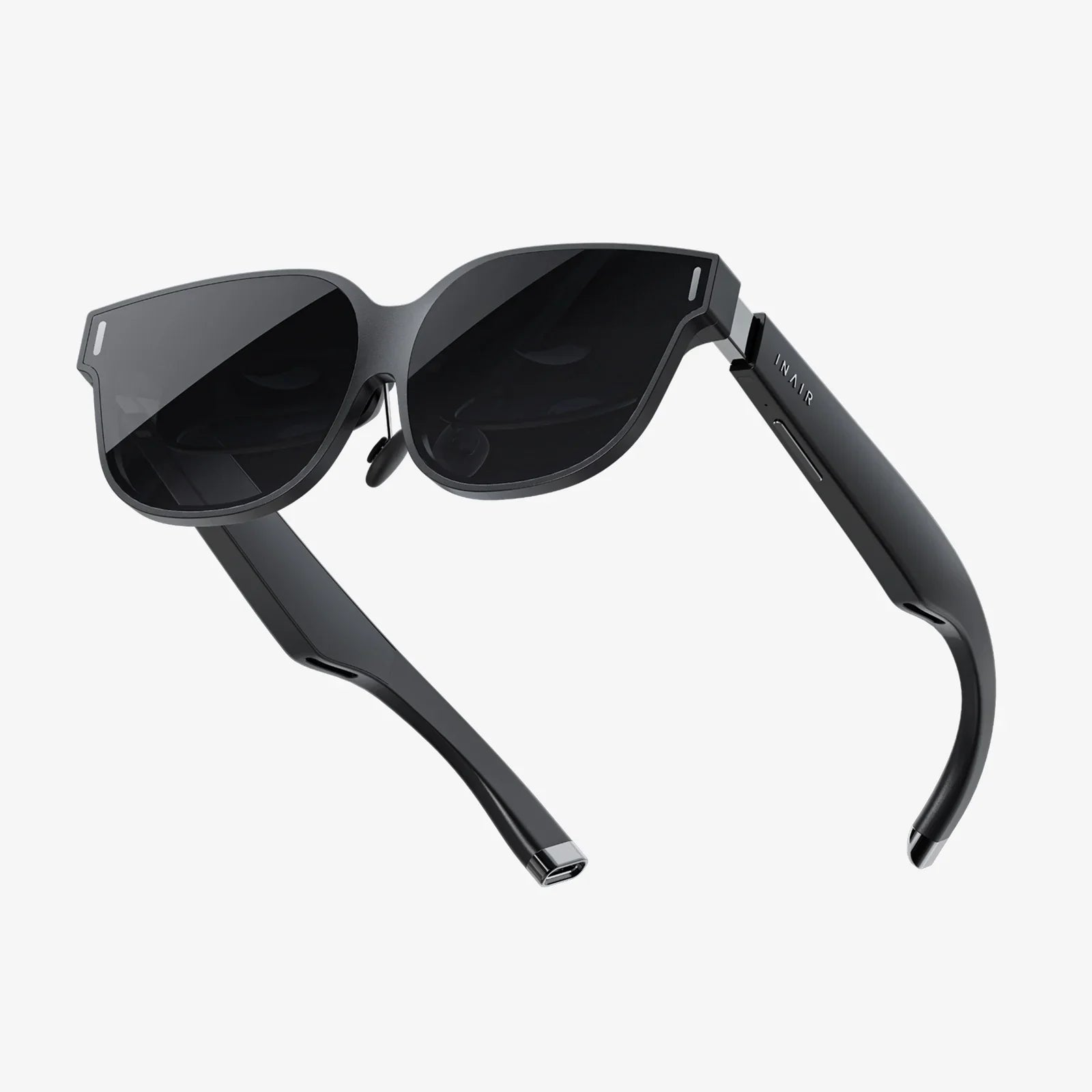
Imagine strapping on a device and instantly being transported to a front-row concert seat, a strategic battlefield command center, or a serene beach on the other side of the world. This is no longer the stuff of science fiction or a luxury reserved for the elite. The quest for a powerful and immersive VR headset under 5000 is not just a possibility; it's a thriving market segment offering incredible gateways into virtual realms. For countless enthusiasts and curious newcomers, this price point represents the sweet spot where advanced technology meets accessibility, opening doors to experiences that were unimaginable just a few years ago.
The New Era of Accessible Virtual Reality
Gone are the days when high-fidelity virtual reality required a small fortune and a dedicated supercomputer. The technological landscape has shifted dramatically. Advancements in display technology, lens design, and internal processing power have democratized VR, pushing what was once premium performance into a much more affordable range. A VR headset under 5000 now often incorporates features that were flagship exclusives a single generation ago. This isn't about compromised, watered-down experiences; it's about refined, efficient, and surprisingly capable hardware designed for the mass market. This price bracket is fiercely competitive, driving innovation and value, meaning you get more for your money than ever before.
Defining the Experience: What Can You Really Get?
So, what does a journey into virtual reality with a budget of 5000 actually look like? The experience is far more comprehensive than many anticipate.
Visual Fidelity and Display Technology
The window to your virtual world is its display. In this category, you will predominantly find high-resolution LCD screens, and increasingly, vibrant Fast-LCD technology. These panels offer sharp details, significantly reducing the 'screen door effect'—that faint grid-like pattern that could break immersion in older models. While the absolute top-tier OLED displays with perfect blacks might reside in more expensive units, the visual quality available is stunningly crisp and more than capable of providing deeply engaging and believable worlds. Refresh rates are another critical factor, with many models in this range supporting 72Hz, 90Hz, or even 120Hz modes, ensuring smooth motion that is crucial for comfort and immersion.
The Freedom of Movement: Tracking and Controllers
Modern affordable VR has largely standardized on inside-out tracking. This means the headset itself, via embedded cameras, maps your room and tracks the position of your controllers. There's no longer a need for external sensors mounted on your walls—you can set up and play anywhere within your designated guardian boundary. The motion controllers themselves are sophisticated pieces of hardware, featuring intuitive button layouts, haptic feedback (rumble), and precise tracking that accurately translates your real-world hand movements into the virtual space. Whether you're carefully aiming a bow and arrow or painting a 3D sculpture, the responsiveness is immediate and natural.
Standalone vs. PC-Connected: Understanding the Platforms
This is the most crucial distinction to understand when shopping in this category.
The All-in-One Standalone Headset
These devices are the undisputed kings of convenience. A standalone VR headset under 5000 is a completely self-contained system. It has its own mobile processing chip, battery, and operating system, all built into the unit. You put it on, and you're ready to go—no wires, no powerful computer required. The entire experience is wireless and portable, allowing you to enjoy VR in your living room, a larger open space, or even at a friend's house. The trade-off is raw graphical power; while the visuals are impressive and constantly improving, they cannot match the ultra-high fidelity achievable by a headset tethered to a powerful gaming computer.
The PC-Connected (Tethered) Headset
These headsets act as a high-end display and sensor hub for a desktop or laptop computer. They must be connected via a cable to a VR-ready PC that meets specific, often demanding, hardware requirements. The advantage is unparalleled graphical fidelity. By leveraging the power of a dedicated graphics card and processor, tethered headsets can deliver the most visually stunning, complex, and realistic VR experiences available—from hyper-detailed flight simulators to vast, moddable RPGs. The obvious downside is the lack of wireless freedom and the additional upfront cost of the capable PC itself.
Key Considerations Before You Buy
Choosing the right headset is about more than just the price tag. It's about matching the technology to your lifestyle, interests, and existing hardware.
Your Intended Use: Gaming, Fitness, or Social?
Are you a hardcore gamer seeking the next generation of interactive entertainment? A fitness enthusiast looking for a fun way to break a sweat? Or someone who wants to connect with friends and family in virtual spaces? Your primary use case should guide your decision.
- Gaming: Both standalone and PCVR offer massive libraries. Standalone provides great convenience and a solid experience, while PCVR offers the pinnacle of graphical performance for the most demanding titles.
- Fitness: Standalone headsets are perfect for fitness apps due to their wireless nature. You need space to move without worrying about tripping over a cable.
- Social & Media: Watching immersive videos or hanging out in social platforms is excellent on both, but standalone again wins on ease of use and accessibility for casual viewing.
The Ecosystem and Content Library
A headset is only as good as the software it can run. Investigate the platform's store. How many titles are available? Are the specific apps or games you're excited about available on that platform? Some ecosystems are more open than others, allowing for alternative methods of content installation, which can be a significant factor for advanced users.
Comfort and Ergonomics
You'll be wearing this device on your head, sometimes for extended periods. Comfort is non-negotiable. Look for designs with good weight distribution, adjustable head straps (preferably a rigid halo-style or an elite-style strap with a rear dial), and interchangeable facial interfaces. A comfortable headset is one you'll want to use again and again.
Technical Specifications to Scrutinize
- Resolution: Higher is generally better for clarity.
- Field of View (FoV): A wider FoV increases immersion by filling more of your peripheral vision.
- IPD Adjustment: The ability to physically adjust the distance between the lenses to match your interpupillary distance is crucial for visual clarity and preventing eye strain.
- Storage: Standalone headsets have internal storage for apps and games. 128GB is a good starting point, but 256GB or more is ideal if you plan on building a large library.
The Verdict: Is a VR Headset Under 5000 Worth It?
Absolutely. The value proposition is stronger than it has ever been. You are not buying 'budget' VR; you are buying 'accessible premium' VR. The technology within this price range represents a mature, refined, and incredibly capable level of immersion. For the vast majority of users—whether they are new to the medium or upgrading from an older first-generation device—a headset in this category will provide thousands of hours of entertainment, social connection, and unique experiences. It represents the point where VR truly becomes a mainstream consumer product, ready for your living room.
The barrier to entering these incredible virtual worlds has never been lower, and the experiences waiting on the other side have never been richer. Your passport to exploring new dimensions, mastering new skills, and connecting in ways you never thought possible is now well within reach, ready to redefine your understanding of entertainment and interaction.
Share:
AI Sunglasses What Do They Do - The Future on Your Face
Very Cheap VR Headset: Your Ultimate Guide to Affordable Virtual Reality