


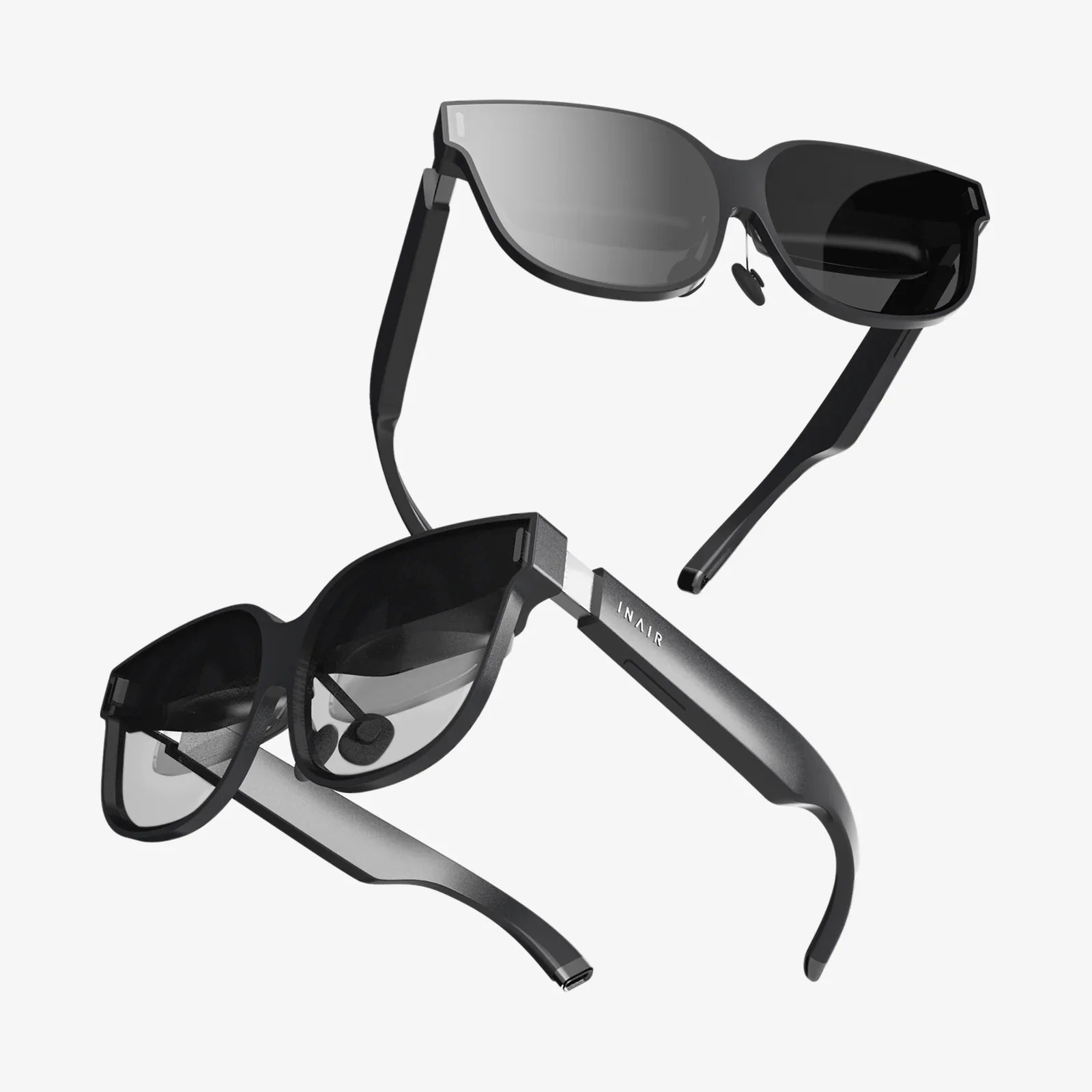
Imagine stepping into a breathtaking virtual world, exploring ancient ruins, battling space pirates, or sitting front row at a concert, all from your living room. Now imagine doing it without spending a small fortune. This isn't a glimpse into a distant future; it's the reality offered by the very cheap VR headset, a technological marvel that has flung open the doors to virtual reality for millions. For too long, high-end VR was a luxury hobby, but a new wave of affordable hardware is shattering those barriers, promising an immersive escape that won't empty your wallet. The question is no longer if you can experience VR, but how you can experience it best on a budget.
The Democratization of Virtual Reality
Virtual reality technology has undergone a rapid evolution. From clunky, expensive prototypes confined to research labs, it burst into the consumer market with powerful, feature-rich headsets that delivered stunningly realistic experiences. However, their premium price tags kept them out of reach for the average consumer. The emergence of the very cheap VR headset represents a pivotal shift, moving VR from a niche enthusiast market to a mainstream entertainment medium. This democratization is powered by a simple yet powerful idea: leverage the sophisticated technology users already own—their smartphones—and build an accessible portal to virtual worlds around it. This approach dramatically reduces the cost of entry, making immersive tech available to students, families, and curious newcomers alike.
How Do Budget-Friendly VR Headsets Work?
Understanding the mechanics behind an affordable headset is key to appreciating its value. Unlike their high-end counterparts, which pack internal screens, powerful processors, and complex external tracking sensors into one expensive package, most budget models operate on a brilliantly simple principle.
The Power of Your Smartphone
At the heart of these devices is your smartphone. The headset itself is essentially a sophisticated housing—a shell containing high-quality lenses and a comfortable head strap. You slot your phone into the headset, and its screen becomes the display for each eye. The lenses then warp and focus the image, creating the stereoscopic 3D effect that is the foundation of VR immersion. This design eliminates the need for built-in displays, drastically cutting production costs.
Inside-Out Tracking
But how does the headset track your movement? High-end systems often use external cameras or base stations placed around the room. Budget headsets typically use a method called sensor fusion. They utilize the gyroscope, accelerometer, and magnetometer already inside your phone to detect head rotation—looking up, down, left, and right. For more advanced models with motion controllers, additional sensors in the controllers and sometimes a basic front-facing camera on the headset work together to approximate your position in space. While this may not offer the millimeter precision of a premium setup, it provides a remarkably convincing and fluid experience for most games and applications.
What Can You Realistically Expect from a Low-Cost Headset?
Setting realistic expectations is crucial when entering the world of affordable VR. You are not getting a $1,500 experience for a fraction of the price, but you are getting a surprisingly capable and deeply engaging one.
The Visual Experience
The visual fidelity is directly tied to the quality of your smartphone's screen. You can expect a good sense of depth, scale, and immersion. However, you may also encounter something called the "screen door effect," where you can faintly see the lines between pixels, akin to looking through a fine mesh. This is less noticeable on phones with higher-resolution displays. The field of view might also be narrower than on premium headsets, creating a slight "looking through binoculars" sensation that you learn to ignore after a few minutes of use.
Performance and Content
The performance of VR apps and games is also dependent on your phone's processing power. A newer, faster phone will handle complex games smoothly, while an older model might struggle or be limited to simpler experiences. The content library, accessible through app stores, is vast and varied. It includes:
- 360-Degree Videos and Photos: Explore travel destinations, witness news events, or watch immersive concerts.
- Casual and Arcade Games: From puzzle games and light gun shooters to thrilling roller coaster simulators.
- Educational and Experiences: Take virtual field trips to museums, the human body, or outer space.
- Social Apps: Connect with friends in virtual spaces to watch movies or play games together.
The Trade-Offs: Understanding the Limitations
To make an informed decision, it's essential to acknowledge the compromises inherent in a very cheap VR headset. These are not flaws but rather conscious design choices that enable their low cost.
Technical Limitations
The most significant limitation is the lack of positional tracking on the most basic models. This means the headset can track when you rotate your head but cannot detect when you move your head forward, backward, or side-to-side. Leaning in to examine an object won't work as it would in real life. This limits interaction in some games and applications. Furthermore, prolonged use can lead to smartphone overheating and battery drain, as the screen and sensors are running at full capacity.
Comfort and Build Quality
To hit a low price point, manufacturers often use lighter, less durable materials like plastic and foam. While functional, they may not feel as premium as more expensive alternatives. Comfort can also vary; some users may find the weight distribution or pressure on the face uncomfortable during extended sessions. This is often remedied with aftermarket padding or strap adjustments.
Maximizing Your Experience: Tips and Tricks
Getting the most out of your headset requires a little know-how. Follow these tips to elevate your journey into VR.
Choosing the Right Headset for Your Phone
Not all headsets are universal. Ensure the model you choose is compatible with your phone's size and operating system. Research the lens quality and adjustability features, such as interpupillary distance (IPD) adjustment, which helps align the lenses with your eyes for a clearer image.
Optimizing Your Smartphone
Before you begin, close all background applications to free up processing power and RAM. Enable "Do Not Disturb" mode to prevent notifications from popping up and breaking your immersion. Consider reducing your screen's brightness to conserve battery and reduce heat generation.
Creating a Safe Play Space
VR is immersive, and it's easy to forget your real-world surroundings. Always use VR in a clear, open space free of obstacles, furniture, and tripping hazards. A swivel chair is a great tool for experiencing 360-degree content without needing to physically walk around. Take regular breaks every 15-30 minutes to rest your eyes and reorient yourself, especially if you feel any discomfort.
The Future of Affordable Virtual Reality
The trajectory of the very cheap VR headset is incredibly promising. As smartphone technology continues to advance—with faster chips, higher-resolution screens, and better sensors—the experiences powered by these devices will improve in tandem. We can expect future budget headsets to incorporate more advanced features, like wider fields of view, better-built controllers, and improved inside-out tracking, further blurring the line between budget and premium. This segment of the market is crucial for growth, fostering a larger community of developers and users who will drive innovation and content creation for years to come.
The world of virtual reality is no longer a gated community. A very cheap VR headset is your all-access pass, a testament to how innovation can make incredible technology accessible to everyone. It’s a gateway to awe-inspiring adventures, educational deep dives, and全新的社交方式,所有这些都只需极小的投资。虽然它可能不具备高端设备的所有功能,但它所提供的东西更有价值:机会。这是尝试 VR、分享其魔力并成为下一次计算革命一部分的机会,而风险却极小。你的第一次虚拟探险正在等待着你;你只需要愿意去看。
Share:
VR Headset Under 5000: Your Ultimate Guide to Affordable Immersion
Can You Connect a VR Headset to Your Phone? The Ultimate Guide to Mobile Virtual Reality