


- by wangfred
Android Glasses for Sale: The Ultimate Guide to Smart Eyewear in 2024
- by wangfred
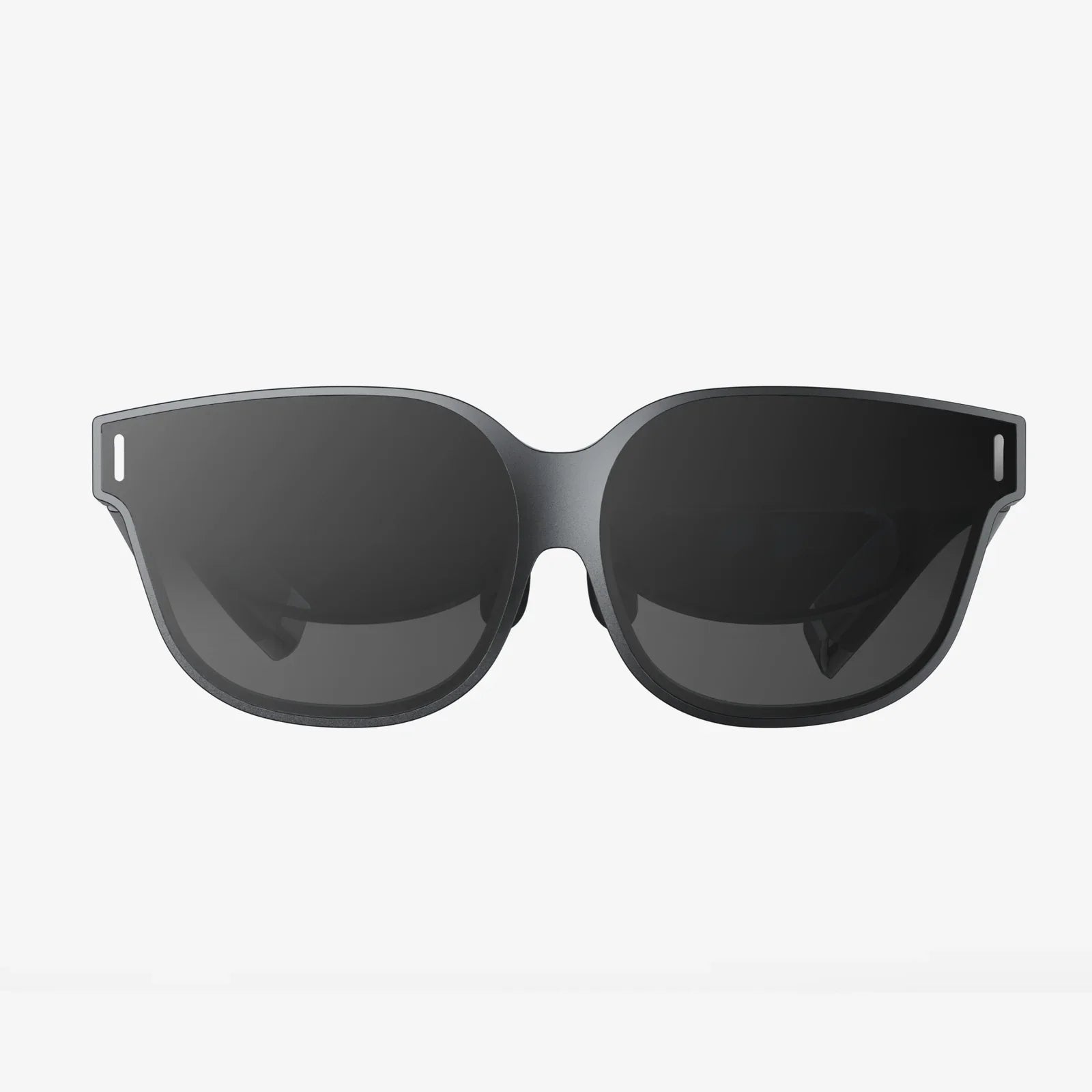
The future is not just in your pocket; it’s on your face. A new wave of wearable technology is cresting, and it’s bringing the power of a connected computer directly into your line of sight. For those seeking the next evolution in personal tech, the search for Android glasses for sale has begun. This isn't science fiction; it's the dawn of a seamless, augmented reality where digital information enhances your physical world, hands-free. Imagine navigating a new city with turn-by-turn directions overlaid on the streets, translating foreign menus instantly, or receiving important notifications without ever glancing down at your phone. The market is responding, and a growing array of sophisticated smart eyewear is now available, promising to redefine how we interact with technology and each other. This comprehensive guide will illuminate everything you need to know before you make the leap into this exciting new frontier.
At their core, Android glasses are a wearable computer in the form of eyeglasses or sunglasses. They are powered by a modified version of the Android operating system, which provides a familiar and flexible software environment for developers. Unlike virtual reality (VR) headsets that transport you to a fully digital world, most Android smart glasses are designed for augmented reality (AR), superimposing digital images, text, and data onto your view of the real world through transparent lenses.
The fundamental components that bring these glasses to life include:
The functionality of Android glasses is as diverse as the Android app ecosystem itself. While specific features vary by model, the potential use cases are vast and continually expanding.
Imagine reading and replying to text messages, emails, and calendar alerts without touching your device. With voice commands and a heads-up display, you can stay connected while keeping your hands and focus on the task at hand. Hands-free calling, powered by integrated microphones and speakers, makes multitasking safer and more efficient.
This is one of the most compelling applications. GPS data from your connected phone can be used to project arrows, street names, and points of interest directly onto the path in front of you. For tourists, this means no more awkwardly holding up a phone, and for professionals, it can streamline complex logistics in warehouses or on job sites.
Some glasses allow you to watch videos, view photos, or even play games on a virtual screen that feels massive, all while the world around you remains visible. It’s a private cinema experience that you can enjoy on a train, a plane, or even on your couch without isolating yourself from others in the room.
With a first-person perspective (POV), capturing photos and recording videos becomes incredibly intuitive. You can document your life, create tutorial content, or record important moments hands-free, all from your literal point of view.
Leveraging camera and AI software, smart glasses can recognize text in the real world and read it aloud to you or translate it on the spot. This has profound implications for individuals with visual impairments and breaks down language barriers in real-time.
With a growing number of Android glasses for sale, choosing the right pair requires careful thought. It's not just about the specs; it's about how the device fits into your life.
Are you looking for something bold and futuristic, or a discreet pair that could almost pass for regular glasses? Consider weight, fit, and comfort for extended wear. Some manufacturers offer prescription lens compatibility, which is a critical factor for many users.
Key metrics include brightness (for outdoor visibility), resolution, color accuracy, and field of view (FOV). A larger FOV means a bigger digital canvas, but it often comes with a trade-off in size and battery life. The best displays are bright, crisp, and seamlessly blend digital elements with the real world.
Assess your typical usage patterns. Will you be using them for short bursts or all-day productivity? Battery life can range from 2-3 hours of intensive AR use to over 6 hours for audio-centric tasks. Also, ensure the processing power is sufficient for your intended apps without lag or overheating.
A robust and open Android-based platform is a significant advantage, as it encourages third-party developers to create innovative applications. Check for a dedicated app store and see what software is already available. The true potential of these devices is unlocked through a vibrant software ecosystem.
This is a crucial, often overlooked aspect. Devices with visible cameras can make others uncomfortable. Look for models with clear recording indicators (like an LED light) and be mindful of local laws and social norms regarding recording in public. The industry is also developing technologies like camera shutters to alleviate these concerns.
The current generation of Android glasses is impressive, but it is merely a stepping stone. The trajectory of this technology points toward even more profound integration into our daily lives.
We are moving toward glasses with even slimmer, more socially acceptable designs, indistinguishable from high-end traditional eyewear. Advancements in waveguide and holographic optics will deliver wider fields of view and more vivid visuals. AI will become the central nervous system, proactively delivering information and assistance before we even ask for it.
Ultimately, the goal is to create a device that fades into the background—a true "invisible computer." The technology will become so intuitive and seamlessly integrated that we will wonder how we ever managed our digital lives by constantly looking down at a slab of glass and metal in our hands. The shift from smartphones to smart glasses represents the next logical step in computing: making technology an ambient, contextual, and empowering part of our reality.
Your world is about to get an upgrade. The search for the perfect pair of Android glasses for sale is more than a shopping trip; it's an investment in being among the first to experience the next dimension of computing, where your reality is limited only by your imagination. The tools to augment your career, your creativity, and your connection to the world around you are now waiting, ready to be worn.
Share:
VR Display Screen: The Gateway to Immersive Virtual Realities
VR Display Screen: The Gateway to Immersive Virtual Realities