


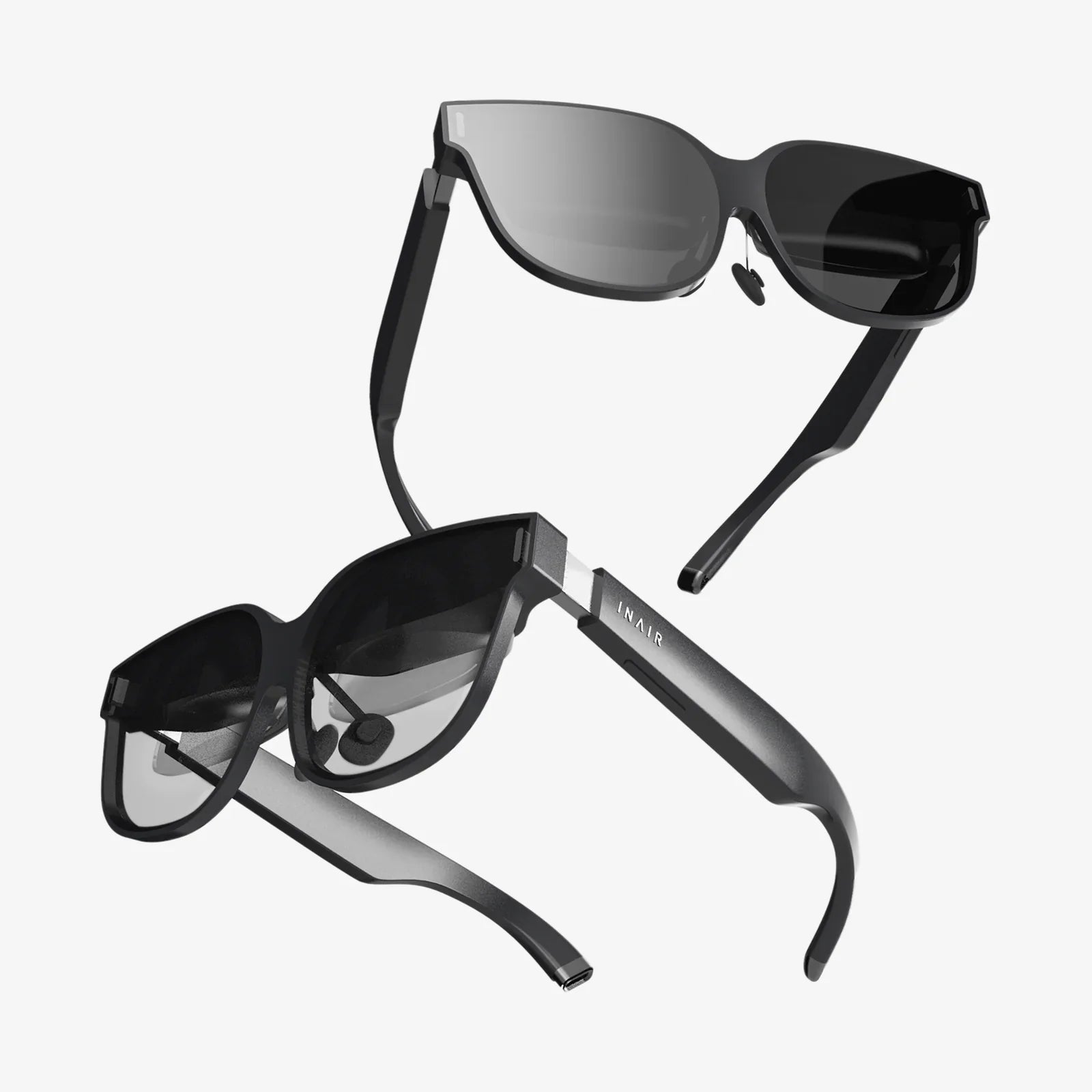
Imagine slipping a sleek, unassuming headset over your eyes and instantly being transported to the peak of Mount Everest, the front row of a concert halfway across the globe, or the bridge of a starship hurtling through the cosmos. This is no longer the stuff of science fiction or a luxury reserved for those with deep pockets. The power to explore virtual worlds is, quite literally, in your pocket. The fusion of Android's versatile operating system with the immersive potential of virtual reality has democratized access to these experiences, creating a fascinating and accessible technological ecosystem known as Android Virtual VR. This is your ultimate portal, not just to virtual worlds, but to understanding the technology that makes it all possible.
Demystifying the Core Technology: What Exactly Is It?
At its heart, Android Virtual VR is a framework that leverages the hardware and software capabilities of an Android-powered smartphone to create a virtual reality experience. Unlike more expensive, standalone VR systems with dedicated processors and displays, this approach is elegantly pragmatic. It transforms a device you already own into the core engine for immersion. The system relies on three fundamental components working in concert: the smartphone itself, a companion headset, and a sophisticated software stack.
The smartphone acts as the brain and the eyes of the operation. Its high-resolution display is split into two distinct images, one for each eye, creating the stereoscopic 3D effect that is the foundation of depth perception in VR. The device's internal gyroscope, accelerometer, and magnetometer work overtime, tracking the precise orientation and movement of your head in real-time. This allows the virtual environment to respond fluidly as you look up, down, and all around, selling the illusion that you are truly inside a digital space. The processing power of the phone renders the complex graphics and runs the applications that define the experience.
The second critical component is the headset, often referred to as a head-mounted display (HMD). This is typically a shell made of plastic or cardboard, equipped with lenses and a compartment to securely hold the smartphone. These lenses are not mere magnifiers; they are precision optical elements that warp the dual images on the phone's screen, correcting the perspective and creating a wide field of view that fills your vision. They focus your eyes on the image, making it appear distant and vast rather than close and confined. Headsets range from incredibly affordable, cardboard-based designs that are accessible to nearly everyone, to more advanced models featuring adjustable lenses, padded comfort, and even additional sensors for improved tracking.
The third pillar is the software. The Android operating system provides a robust and flexible foundation. On top of this, specialized VR platforms and services create the framework for applications to run. These platforms handle the critical task of rendering the two distinct viewpoints, managing sensor data for low-latency head tracking, and providing a curated store for VR content. This software layer is what transforms the phone from a communication device into a window to another reality. It ensures that the virtual world remains stable and responsive, which is paramount for user comfort and immersion.
A Universe of Experiences: What Can You Actually Do?
The true magic of Android Virtual VR lies in its diverse and ever-expanding library of applications. The barrier to entry for developers is significantly lower than for closed, proprietary systems, fostering a vibrant ecosystem of creativity and innovation.
- Gaming and Interactive Entertainment: This is the most prominent category. Users can step into the shoes of a pilot navigating a starfighter through an asteroid field, become a hero wielding a sword and shield in a fantasy RPG, or experience pulse-pounding horror games where the fear feels palpably real. The immersive nature of VR adds a visceral layer to gameplay that flat screens simply cannot match.
- 360-Degree Videos and Cinematic Experiences: Platforms dedicated to VR video content allow users to be placed at the center of the action. You can witness documentaries from the perspective of a wildlife photographer on safari, stand on stage with your favorite musical artist during a live performance, or travel to iconic global landmarks from the comfort of your home. It’s a powerful tool for storytelling and empathy, offering a sense of "being there."
- Educational and Training Applications: The potential for learning is immense. Medical students can take part in virtual dissections or observe detailed 3D models of the human body. History students can take guided tours through ancient Roman ruins, reconstructed in meticulous detail. Mechanics can train on virtual engines, and astronauts can simulate spacewalks. This hands-on, immersive approach to education enhances retention and understanding.
- Social VR and Virtual Tourism: Applications exist that allow users to meet up with friends in virtual spaces as customizable avatars. You can watch a movie together in a virtual theater, play social games, or simply chat as if you were in the same room. Combined with virtual tourism, you can explore foreign cities and exotic locations with others, making it a powerful tool for connection.
Weighing the Realities: The Challenges and Considerations
While the accessibility of Android Virtual VR is its greatest strength, it also comes with inherent limitations when compared to high-end, dedicated systems. Understanding these trade-offs is key to setting realistic expectations.
The most significant challenge is performance and graphical fidelity. A smartphone is a marvel of miniaturization, but it cannot compete with the raw processing power and dedicated cooling of a desktop-powered VR system or a high-end standalone headset. This can result in less complex graphics, simpler environments, and a potential for lower frame rates, which can impact immersion and, for some users, contribute to discomfort.
Another common issue is latency—the delay between moving your head and the image on the screen updating. High latency is a primary cause of motion sickness, often referred to as "simulator sickness." While modern smartphones and software have made great strides in minimizing latency through predictive algorithms, it can still be a problem in less optimized applications or on older hardware.
Input and interaction can also be more limited. Most smartphone-based VR systems rely on a simple Bluetooth controller, gaze-based navigation, or a single button on the headset itself. This lacks the nuanced, hand-presence tracking offered by advanced motion controllers that allow you to see and use virtual hands, which is a cornerstone of immersion in high-fidelity VR.
Finally, there is the consideration of battery life and device heating. Running a high-resolution display at a high refresh rate while utilizing all the phone's sensors is incredibly demanding. Extended VR sessions can quickly drain a battery and cause the device to become warm, which can sometimes trigger thermal throttling, reducing performance to cool down.
The Horizon of Possibility: What Does the Future Hold?
The trajectory of Android Virtual VR is inextricably linked to the evolution of the smartphone itself. As phones become more powerful, with faster processors, higher-resolution displays, and more advanced sensors, the quality of the VR experience will rise in tandem. The integration of 5G technology promises high-bandwidth, low-latency streaming of complex VR content, potentially offloading heavy processing from the device itself to powerful cloud servers.
We are also seeing the emergence of technologies like WebXR, which aims to deliver VR and AR experiences directly through a web browser, eliminating the need to download separate applications and making experiences even more instantly accessible. This could open the floodgates to a new wave of web-based VR content, from interactive product demos to virtual showrooms and educational modules.
Furthermore, the line between smartphone-based VR and dedicated standalone VR is beginning to blur. Some modern standalone headsets now utilize modified versions of the Android operating system, benefiting from its openness and developer-friendly environment. This cross-pollination of ideas and technology ensures that the innovative spirit of the Android ecosystem will continue to drive the VR industry forward, pushing for greater accessibility and more compelling experiences for everyone.
The journey into virtual reality no longer requires a ticket priced for early adopters. With the powerful computer already in your pocket and a simple headset, you hold the key to unlocking boundless worlds of entertainment, education, and connection. The frontier of digital experience is open, waiting for you to take that first step and look around.
Share:
VR Headset Computer Monitor: The Ultimate Immersive Desktop Experience
Can You Do VR With iPhone X? A Deep Dive Into Mobile Virtual Reality