


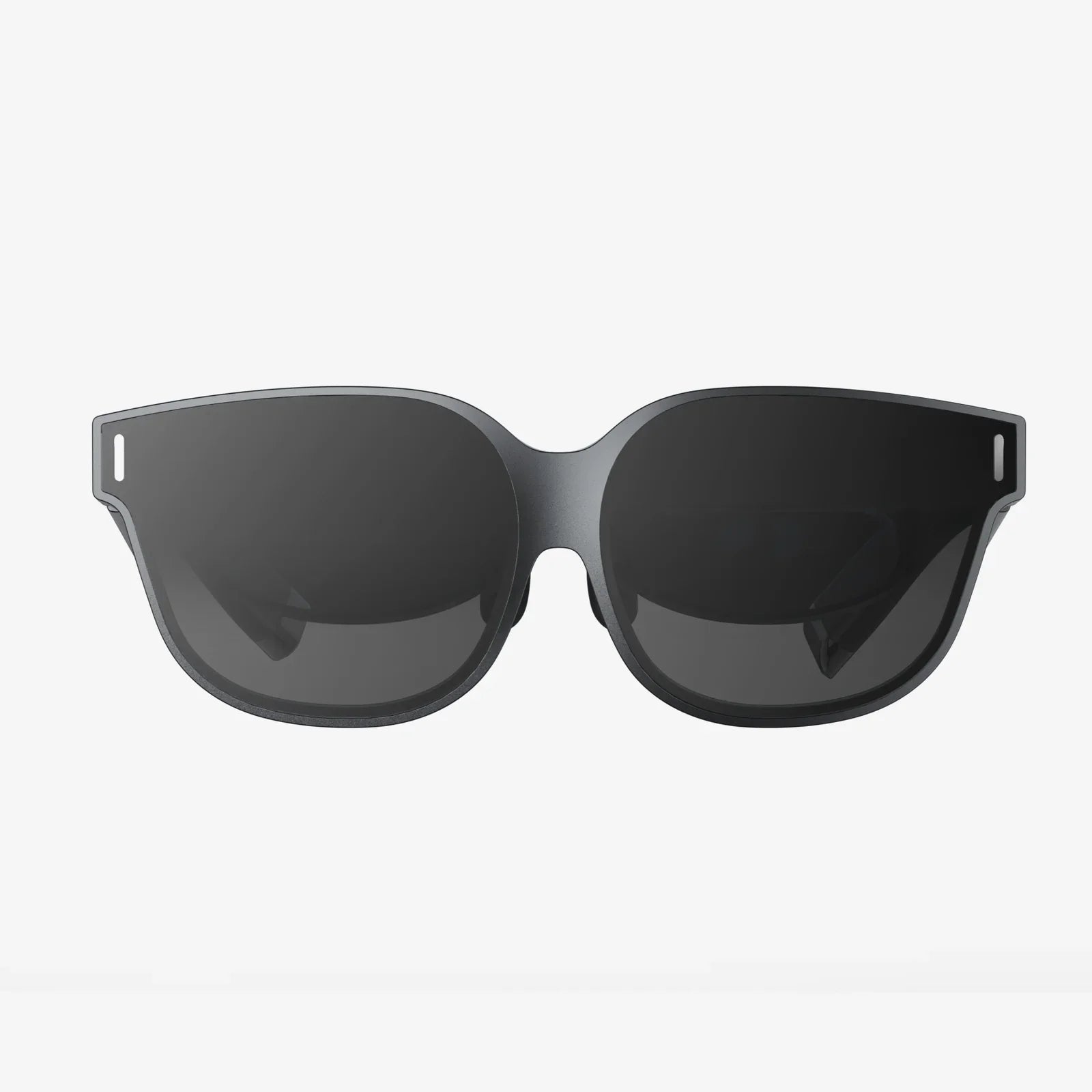
- by wangfred
Android Wearable: The Ultimate Guide to Smart Technology on Your Wrist
- by wangfred
Imagine a world where your most essential digital companion doesn't reside in your pocket but lives on your wrist, offering a seamless stream of information, health insights, and connectivity with just a glance. This is no longer the realm of science fiction; it's the present reality powered by the sophisticated ecosystem of Android wearable technology. These devices have evolved from simple notification relays to powerful, standalone health and productivity hubs, fundamentally changing how we interact with technology and ourselves. The journey of the Android wearable is a fascinating tale of innovation, and its future promises even deeper integration into the fabric of our daily lives.
The concept of a wrist-worn computer has captivated inventors and consumers for decades. Early attempts were often clunky, limited in functionality, and hampered by poor battery life. However, the convergence of several key technologies created the perfect environment for the modern Android wearable to flourish. The proliferation of powerful, miniaturized sensors, efficient low-energy processors, and robust mobile operating systems laid the groundwork. The development of a dedicated, streamlined version of the Android operating system designed specifically for wearables was the final catalyst, providing a stable and versatile platform for manufacturers and developers alike. This move away from proprietary, closed systems to an open, familiar ecosystem sparked an explosion of innovation, leading to the diverse and capable market we see today.
At its core, an Android wearable is a device running a version of the Android operating system optimized for a small, circular or rectangular display and interaction primarily through touch, voice, and physical buttons. While styles vary dramatically, their value proposition is built upon several foundational pillars that define the user experience.
The most immediate benefit for many users is the device's ability to act as a remote display for a paired smartphone. Calls, messages, and app alerts appear on the wrist, allowing users to triage information instantly without constantly retrieving their phone. This creates a less intrusive, more efficient way to stay connected, reducing digital distraction while ensuring critical notifications are never missed. The ability to quickly dismiss, reply to (often via voice or pre-set messages), or even answer calls directly from the wearable exemplifies this seamless integration.
Perhaps the most significant evolution has been the transformation of the Android wearable into a premier health and fitness tracker. Equipped with an array of sophisticated sensors, these devices now offer a stunning depth of biometric data.
Unlike many tech products, an Android wearable is a deeply personal accessory. The market caters to this with a vast array of designs, from sporty silicone bands and lightweight composites to classic stainless steel and premium titanium cases. This focus on aesthetics ensures there is a device to match any personal style or occasion. Furthermore, the software experience is highly customizable. Users can choose from thousands of watch faces, ranging from minimalist analog designs to data-rich digital interfaces that display exactly the information they want to see at a glance. Interchangeable bands allow the look and feel of the device to be altered in seconds.
The integration of powerful voice assistants has turned the Android wearable into a hands-free command center. Users can set reminders, ask questions, control smart home devices, initiate texts, and start workouts—all through simple voice commands. This functionality is particularly valuable when manual interaction is inconvenient, such as while cooking, driving, or during a run.
With so many options available, selecting the right Android wearable requires careful consideration of several factors to find the perfect match for your lifestyle and needs.
The first decision often revolves around design. Do you prefer a classic, circular watch look that blends in with traditional timepieces, or a more modern, rectangular display that can show more text information? The size and weight of the case are also crucial for comfort, especially for all-day and sleep tracking. The material of the case and the type of band (silicone, leather, metal, fabric) will determine both the device's durability and its appropriateness for different settings, from the gym to the office.
Battery performance remains one of the most critical differentiators. It exists on a spectrum, creating a trade-off between functionality and convenience. Some devices offer a "smartwatch" experience with full-color always-on displays and extensive features, typically requiring a charge every night. Others prioritize longevity, offering "smart hybrid" designs with e-paper displays or ultra-low-power modes that can last for weeks or even months on a single charge, albeit with more limited functionality. Your choice will depend on whether you value cutting-edge features or the convenience of not daily charging.
Not all sensors are created equal. If health and fitness are your primary motivations, scrutinize the specific metrics offered. Do you need built-in GPS for untethered run tracking? Is ECG functionality or advanced sleep analysis important to you? Examine the companion smartphone application that houses and interprets this data; its clarity, depth of analysis, and ability to export or share data are as important as the hardware itself.
The version of the wearable operating system and its update policy are vital for long-term satisfaction. A newer OS version ensures access to the latest features, performance improvements, and security patches. Investigate the manufacturer's track record for providing timely and ongoing software support. Furthermore, the availability of third-party apps on the device's app store can extend its functionality far beyond its built-in capabilities.
The trajectory of Android wearable technology points toward even greater autonomy and deeper integration into healthcare. We are moving toward devices that act as true standalone communication hubs with embedded cellular connectivity, eliminating the need for a nearby phone. Sensor technology will continue to advance, with non-invasive blood glucose monitoring being a much-anticipated holy grail that could revolutionize diabetes management. Deeper integration with medical professionals and electronic health records could turn these consumer devices into powerful tools for remote patient monitoring and preventative care. Furthermore, advancements in battery technology, potentially including solar charging or kinetic energy harvesting, could finally solve the charging dilemma, making the Android wearable an ever-present, zero-maintenance health guardian.
The true power of an Android wearable lies not in its ability to replicate your smartphone, but in its potential to augment your life quietly and efficiently. It’s the gentle nudge to move after an hour of sitting, the detailed analysis of a night's sleep, the peace of mind from a heart health check, and the convenience of a boarding pass on your wrist. This continuous, contextual, and personal stream of data and assistance is crafting a new paradigm of human-computer interaction—one that is less about staring at a screen and more about intuitively understanding and improving our own well-being. The next generation of wrist-worn technology won't just tell you the time; it will help you make the most of it.
Share:
What Is a HCI? The Complete Guide to Human-Computer Interaction
Best Wearable Tech: A Comprehensive Guide to the Future on Your Wrist and Beyond