


- by wangfred
Best Wearable Tech: A Comprehensive Guide to the Future on Your Wrist and Beyond
- by wangfred
Imagine a world where your watch doesn't just tell time, but tells you about your health; where your glasses don't just correct vision, but overlay digital information onto the real world; where your clothing doesn't just keep you warm, but monitors your posture and vital signs. This isn't a distant sci-fi fantasy—it's the reality being built today by the best wearable tech. The fusion of fashion and function, data and design, is creating a new layer of human experience, seamlessly integrating technology into the very fabric of our daily lives. The journey from simple step counters to sophisticated health guardians and immersive digital interfaces has been rapid and revolutionary, promising a future where technology doesn't demand our attention but anticipates our needs.
The concept of wearable technology is far older than most realize. Eyeglasses, arguably the first widely adopted wearables, have been enhancing human capability for centuries. The invention of the wristwatch in the late 19th century moved timekeeping from the pocket to the arm, a significant step in personal technology. However, the modern era of wearables truly began with the rise of simple fitness trackers. These early devices, often little more than accelerometers with a display, introduced the masses to the quantified self—the idea of using data to track and improve one's own life.
The subsequent integration of these trackers with smartphones unlocked their potential, creating a feedback loop of information and motivation. This paved the way for the modern smartwatch, which absorbed the functions of the fitness tracker and added communication, notification, and app-based capabilities, transforming it from a peripheral gadget into a central hub for personal digital management. Today, the best wearable tech is defined by its ability to move beyond mere tracking to providing actionable insights, proactive guidance, and a truly connected experience.
With a dizzying array of options on the market, determining what qualifies as the best wearable tech depends heavily on individual needs and lifestyles. However, several core features have become benchmarks for quality and performance.
This is arguably the most important category for most users. Basic heart rate monitoring is now table stakes. The leading edge includes:
A device is only useful if it's powered on. The best devices strike a balance between feature-rich operation and battery longevity. While some premium models require daily charging, others can last a week or more on a single charge, often by leveraging low-power displays and efficient processors. The method of charging is also key—wireless and magnetic charging solutions offer far greater convenience than proprietary cabled plugs.
A wearable does not exist in a vacuum. Its value is multiplied by how well it integrates with your smartphone, computer, and other smart devices. Seamless synchronization of notifications, health data, and app controls is essential. Furthermore, connectivity options like LTE (for standalone operation away from a phone), Wi-Fi, and ultra-wideband (UWB) for precise device finding are becoming differentiators in the high-end market.
Technology worn on the body must be aesthetically pleasing and comfortable for all-day, every-day wear. This includes a range of sizes and materials, from lightweight aluminum and titanium to premium ceramics and recycled plastics. Interchangeable bands—from sporty silicone to formal leather or elegant metal links—allow a single device to adapt to any occasion. The digital face of the device is equally important, with countless customizable watch faces available to match personal style or provide specific information at a glance.
While wrist-worn devices dominate the conversation, the world of wearables is vast and varied.
The modern smartwatch is the jack-of-all-trades. It serves as a fitness coach, health monitor, communication tool, navigation aid, and payment device. High-resolution, always-on displays are now standard, providing information without requiring a exaggerated gesture. Built-in GPS allows for accurate tracking of runs, rides, and hikes without a phone. With app stores specifically for wearables, their functionality can be expanded almost infinitely, from controlling smart home lights to streaming music directly to Bluetooth headphones.
For those whose primary goal is health and activity tracking without the extra smart features, dedicated fitness trackers remain a compelling choice. They often offer superior battery life measured in weeks, not days, and a more discreet, lightweight form factor. Their focused nature can also be less distracting, providing the essential data—steps, heart rate, sleep—without the constant buzz of notifications.
The line between hearing aids and consumer audio products is blurring. The latest devices offer features like adaptive sound control that automatically adjusts to your environment, transparent hearing modes that blend amplified sounds with the real world, and sophisticated tinnitus masking. Similarly, high-end wireless earbuds now incorporate health features like heart rate tracking and posture alerts, transforming them from simple audio devices into intelligent wearables for your ears.
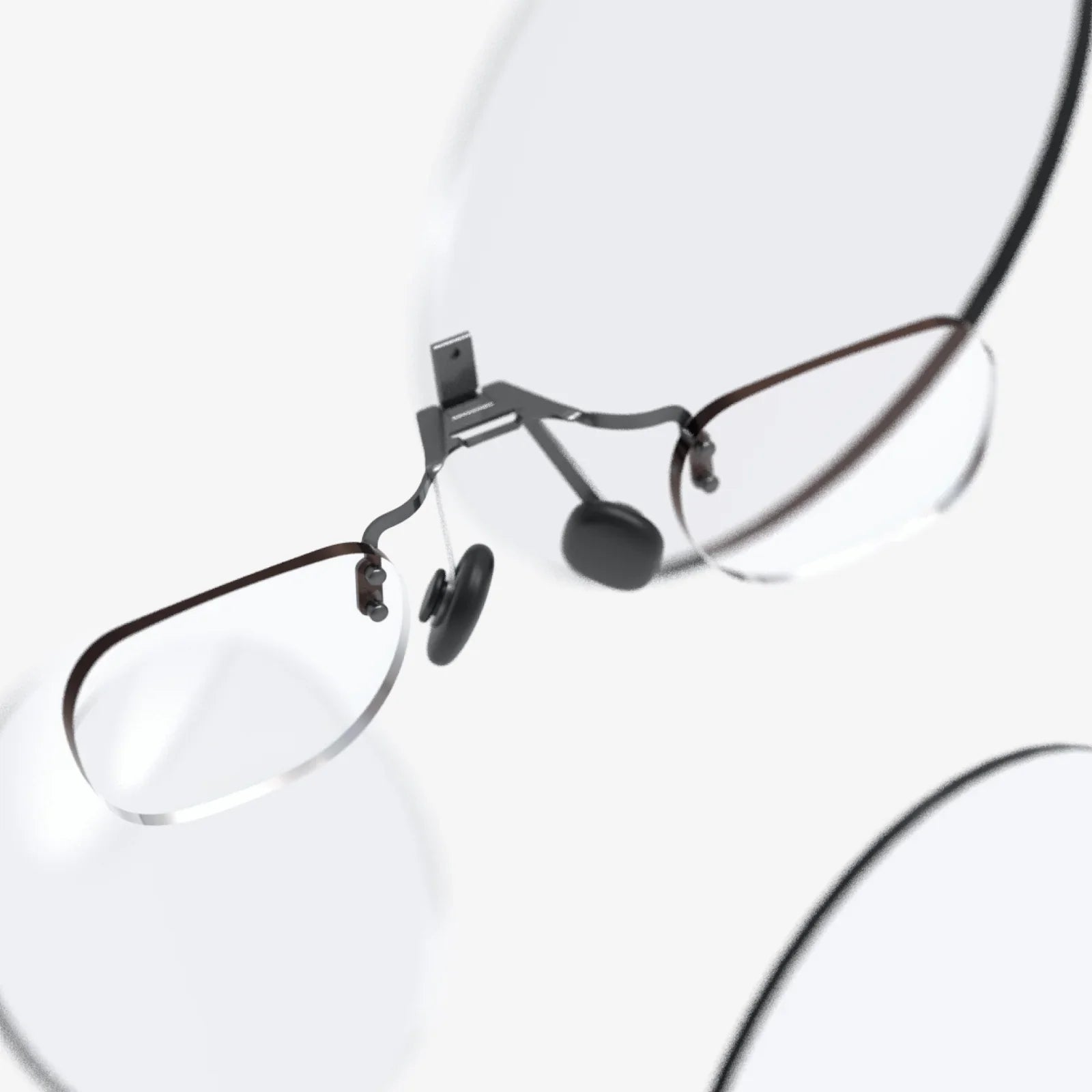
This category represents the next frontier. While true consumer-ready AR glasses are still emerging, early iterations focus on audio, displays for notifications, and taking photos and videos from a first-person perspective. The potential is enormous: overlaying directions onto the street in front of you, displaying translated text in real-time, or providing contextual information about a landmark you're viewing. This technology aims to make information available without requiring users to look down at a screen.
Technology is being woven directly into textiles. Shirts with integrated sensors can track heart rate and breathing patterns with clinical accuracy across the entire torso, providing data that a wrist-worn device cannot. Smart shoes can analyze running gait and form. This category promises the ultimate in unobtrusive monitoring, where the technology disappears entirely into what we already wear every day.
The pace of innovation shows no signs of slowing. Several key trends are poised to define the next generation of the best wearable tech.
The holy grail of health wearables. The ability to continuously measure blood glucose levels without breaking the skin would be a revolutionary advancement for diabetics and a powerful wellness tool for millions more, providing insights into how diet affects the body. While not yet available in consumer devices, significant research and development is underway using optical sensors and other techniques to achieve this breakthrough.
Sensors will continue to shrink and become more powerful. Future devices may include sensors for blood pressure, hydration levels, and even alcohol content. The real power, however, will come from artificial intelligence and machine learning algorithms that analyze the vast streams of data these sensors collect. Instead of just showing you data from last night's sleep, your device will be able to predict how today's actions will affect tomorrow's rest and offer personalized advice to improve it.
Moving beyond physical health, the next wave of wearables will delve deeper into mental wellbeing. By correlating data like HRV, skin temperature, and sleep patterns with user-logged mood states, devices could identify early signs of elevated stress, anxiety, or depressive episodes and suggest interventions like meditation, a breathing exercise, or a prompt to contact a friend.
As consumers become more conscious of their purchases, the best wearable tech will not only be defined by its features but also by its footprint. This includes the use of recycled materials, longer software support cycles to extend device lifespans, modular designs for easy repair, and ethical sourcing of minerals and components.
The immense personal data collected by wearables—your location, health, daily habits—is incredibly valuable and must be protected. The best devices and their companion platforms employ end-to-end encryption, meaning your data is scrambled and unreadable to anyone except you and your intended services. They also provide clear, granular privacy controls, allowing you to decide what data is collected and how it is used. Users must be vigilant, understanding that they are trading a degree of personal information for the convenience and insights these devices provide.
The quest for the best wearable tech is a deeply personal one. It's not about finding the device with the most features, but the one that most effectively aligns with your individual health goals, technological needs, and personal style. From the powerful computer on your wrist to the intelligent fabric on your back, these devices are quietly building a more connected, healthier, and more informed future. The data they provide empowers us to understand ourselves in ways previously reserved for medical labs, turning abstract feelings of wellness into concrete, actionable information. This isn't just about technology you wear; it's about technology that becomes a seamless part of you, working in the background to enhance every step of your journey.
Share:
Android Wearable: The Ultimate Guide to Smart Technology on Your Wrist
VR Gaming Systems: A Deep Dive into the Virtual Revolution Reshaping Play