


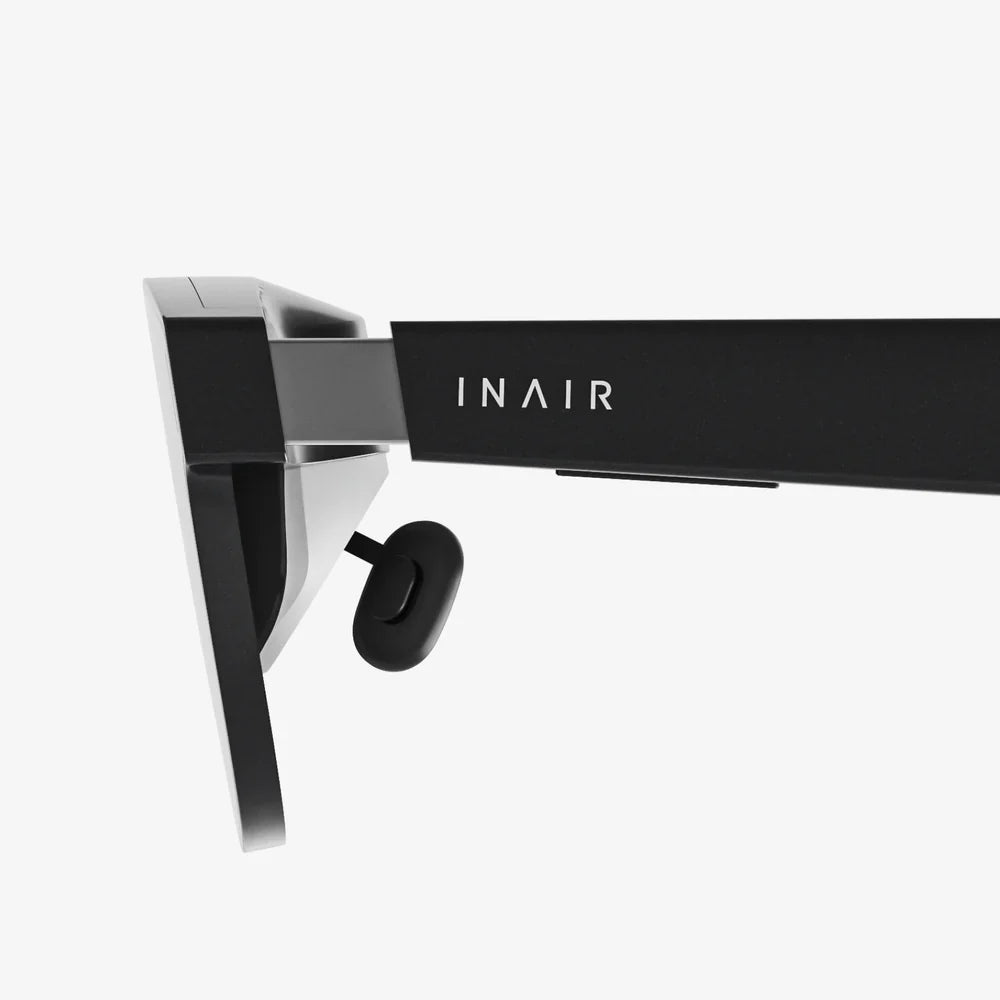
Imagine stepping through a portal, leaving your living room behind and finding yourself on the deck of a starship, the surface of an alien planet, or the edge of a skyscraper. This is no longer the stuff of science fiction; it's the palpable, heart-pounding reality offered by modern VR gaming systems. These remarkable devices are not just another gaming peripheral; they are a paradigm shift, a fundamental reimagining of what it means to play and interact with digital worlds. The promise of true immersion is here, and it's beckoning you to take the plunge.
The Core Components: Deconstructing the VR Experience
At its heart, a VR gaming system is a symphony of sophisticated technology working in perfect harmony to create a convincing illusion. Understanding these core components is key to appreciating the magic.
The Head-Mounted Display (HMD): Your Window to Another World
The HMD is the most recognizable piece of the puzzle. It's the helmet or goggles you wear that houses the high-resolution displays mere centimeters from your eyes. Modern HMDs utilize advanced OLED or LCD screens with high refresh rates (90Hz and above) to deliver smooth, clear visuals that are critical for preventing motion sickness and maintaining immersion. The quality of these displays directly impacts the sense of "presence"—the feeling of actually being in the virtual environment.
Tracking Systems: Mapping Your Reality into the Virtual
For the illusion to hold, the virtual world must respond to your movements with flawless precision. This is the job of the tracking system. Inside-out tracking uses cameras and sensors mounted directly on the HMD to map the physical room and track its own position within it. Outside-in tracking, conversely, uses external sensors or base stations placed around the play area to precisely monitor the position of the HMD and controllers. Both systems aim for the same goal: sub-millimeter accuracy so that when you duck, lean, or jump, your virtual self does the same without a hint of lag.
Controllers and Haptics: The Feel of the Virtual
Your hands are your primary tools for interacting with the world, and VR systems replicate this through sophisticated motion controllers. These are not simple joysticks; they are ergonomic wands, gloves, or orbs equipped with their own sensors, buttons, triggers, and haptic feedback motors. Haptics provide tactile sensations—the subtle vibration of a bowstring being drawn, the jarring impact of a virtual punch, or the gentle brush of a digital leaf. This feedback is a crucial layer that bridges the gap between seeing an action and feeling it.
Audio: The Forgotten Sense of Immersion
3D spatial audio is arguably as important as visual fidelity for selling the fantasy. Built-in or attached headphones use advanced sound algorithms to simulate how sound waves interact with the environment and your virtual ears. The creak of a floorboard behind you, the distant echo of a voice down a hallway, or the whisper of an enemy to your left—these auditory cues are essential for situational awareness and deep emotional engagement, making the world feel alive and tangible.
Beyond the Hardware: The Software That Breathes Life into the Machine
Powerful hardware is useless without software designed to exploit its potential. VR game development is a unique discipline that requires rethinking classic game design principles.
Game Design for Presence
Traditional game tropes often break down in VR. A simple cutscene that yanks control from the player can be jarring and instantly shatter immersion. Developers now favor environmental storytelling, interactive dialogue, and physics-based puzzles that respect the player's agency. Movement is another huge consideration; mitigating simulator sickness has led to innovative locomotion options like "teleportation," "arm-swinger," and "comfort vignetting" that black out the peripheral vision during movement.
A Universe of Experiences
The VR software library is incredibly diverse. It ranges from short, experimental experiences and breathtaking artistic journeys to full-fledged, hundreds-of-hours-long RPGs and competitive multiplayer shooters. Players can:
- Engage in heart-pounding tactical combat where aiming down sights with physical motion is required.
- Solve intricate physics puzzles by physically manipulating objects.
- Create stunning sculptures and paintings in 3D space with virtual reality tools.
- Socialize and attend live events with people from around the world in shared virtual spaces.
- Experience narrative-driven adventures that feel less like watching a movie and more like living one.
The Societal and Cultural Impact of Virtual Worlds
The rise of VR gaming systems extends far beyond entertainment, seeping into the fabric of our social and cultural lives.
A New Frontier for Social Connection
VR social platforms have become digital town squares. Users embody customizable avatars and communicate through natural body language, eye contact, and spatial voice chat. The sense of shared presence—sitting around a virtual campfire, playing a game of chess on a digital table, or simply hanging out—fosters a type of connection that is profoundly different from traditional video calls or text-based chats. For many, it alleviates loneliness and creates communities bound by interest rather than geography.
Accessibility and Inclusivity
VR presents a unique opportunity to make experiences accessible to those who might be limited in the physical world. Virtual travel can allow individuals with mobility restrictions to "visit" far-off places. Customizable control schemes and experiences can be tailored to a wide range of physical abilities. Furthermore, the anonymity and freedom of avatar creation can empower individuals to express themselves in ways they might not feel comfortable doing in the real world, fostering a more inclusive environment.
Gazing into the Crystal Ball: The Future of VR Gaming
The current state of VR is impressive, but it is merely the foundation for a future that seems ripped from the pages of a cyberpunk novel. Several key advancements are on the horizon.
Visual Fidelity and The Path to Photorealism
We are moving towards displays with resolutions so high the human eye cannot discern individual pixels, a state known as "retinal resolution." Combined with advancements in foveated rendering (which uses eye-tracking to render only the spot you're looking at in full detail), future HMDs will be lighter, more comfortable, and capable of generating visuals that are indistinguishable from reality. High dynamic range (HDR) lighting will further enhance the realism of virtual scenes.
Haptic Suits and Full-Body Immersion
The next logical step is moving haptic feedback from the hands to the entire body. Haptic suits vests and gloves are already in development, promising to simulate temperature changes, physical pressure, and the impact of raindrops or wind. This will complete the sensory loop, making virtual experiences feel not just visually real, but physically real.
The Brain-Computer Interface (BCI)
The ultimate frontier for VR is the direct neural interface. While still in early stages, BCI technology aims to allow users to control the virtual world with their thoughts and receive feedback directly into their nervous system. This would be the final step in dissolving the barrier between the real and the virtual, creating experiences limited only by the imagination.
Considerations Before You Dive In
While the future is bright, prospective users should be aware of practical considerations. A powerful computing unit is often required to run high-end experiences, representing a significant investment. All users should be mindful of managing playtime in immersive environments and ensuring they have a clear, safe play space to avoid physical accidents. Motion sickness can affect newcomers, though most acclimatize over time by starting with less intense experiences.
The distant hum of a spaceship's engine, the palpable tension in your grip as you raise a virtual shield, the shared laughter of a friend standing next to you in a world that doesn't physically exist—this is the new reality forged by VR gaming systems. This is more than a new way to play; it's a new canvas for human creativity, a new medium for social connection, and a profound step into a future where our digital and physical lives are seamlessly intertwined. The portal is open, and an entire universe of experience awaits on the other side.
Share:
Best Wearable Tech: A Comprehensive Guide to the Future on Your Wrist and Beyond
AR Dev: The Invisible Revolution Reshaping Our Digital and Physical Worlds