


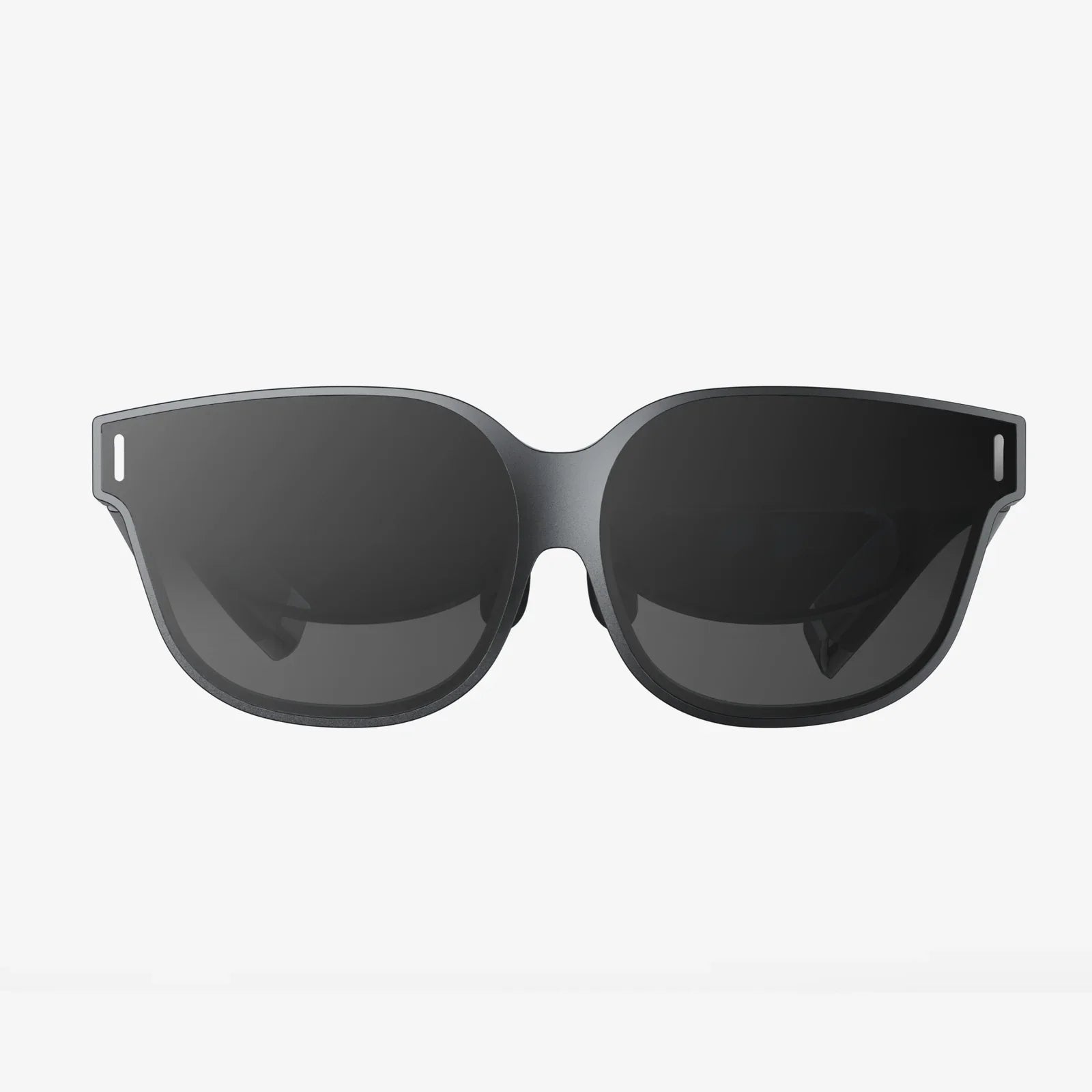
You’ve seen the future in movies and read about it in tech blogs—a world where digital and physical realities blend seamlessly. But before you take that exhilarating leap into Android-powered Extended Reality (XR), one pressing question dominates your thoughts: what will it truly cost? The price tag on the headset is just the beginning of a much larger and more complex financial story. Unpacking the Android XR cost involves a journey through hardware tiers, content ecosystems, hidden subscriptions, and the very real price of future-proofing your dive into the metaverse. This isn't just about how much you pay at checkout; it's about understanding the total investment required to unlock a new dimension of computing.
Deconstructing the Hardware: A Spectrum of Experiences
The most immediate and obvious component of Android XR cost is the hardware itself. Unlike walled-garden ecosystems, the Android XR space is characterized by a vast spectrum of devices, each catering to different needs and, more importantly, vastly different budgets. The cost here is directly tied to the capabilities and intended experience of the device.
Entry-Level: The Affordable Gateway
At the most accessible end of the spectrum reside smartphone-based VR headsets. These devices, often made of lightweight plastic and fabric, utilize a user's existing high-end smartphone as the processor and display. The cost here is remarkably low, sometimes under a hundred currency units, as you're essentially buying a sophisticated holder with lenses. This represents the absolute lowest barrier to entry for experiencing basic 360-degree videos and simple interactive environments. However, the experience is limited by the phone's thermal performance, battery life, and graphical capabilities. The true Android XR cost at this level is low, but so is the fidelity and immersion.
Mid-Range: The Standalone Revolution
The heart of the modern Android XR market beats in the chest of standalone headsets. These all-in-one devices contain their own display, battery, sensors, and most importantly, a processor running a customized version of Android. This is where the concept of cost becomes more substantial. Consumers are investing in a dedicated piece of hardware, and prices typically range from several hundred to just under a thousand currency units.
This tier offers a robust, untethered experience with six degrees of freedom (6DoF), meaning you can physically move around in a space and have that movement reflected in the virtual world. The cost covers advanced inside-out tracking systems (cameras and sensors that map your environment without external beacons), higher-resolution displays, and capable processors that can handle immersive games and applications. For most users, this tier represents the best balance of Android XR cost and performance, offering a truly engaging experience without the premium of top-end specs.
High-End: Pushing the Boundaries
For professionals and hardcore enthusiasts, the high-end standalone market pushes the boundaries of what's possible. Devices in this category can approach or even exceed the cost of a premium laptop. This elevated Android XR cost buys you cutting-edge technology: ultra-high-resolution displays with advanced pancake lenses for clarity, expansive field-of-view, enhanced processing power for complex graphical rendering, and sophisticated eye and face tracking. These features are crucial for enterprise applications in design, medicine, and architecture, where detail and accuracy are paramount, and for users who demand the absolute best immersive experience available on the Android platform.
Beyond the Box: The Hidden Ecosystem Expenses
If you think the financial calculation ends with the headset, you're in for a surprise. The true Android XR cost extends far beyond the physical hardware into the digital ecosystem that gives it life.
The Content Library: Paying for Experiences
An XR headset is a portal, but it's the content that defines the journey. The primary marketplace for Android XR applications is a curated digital store, analogous to those found on mobile platforms. Here, the Android XR cost model mirrors traditional software: a mix of free applications, premium one-time purchases, and freemium models.
Premium games and professional applications often carry a significant one-time cost, comparable to console or PC games. A robust library of experiences can easily represent an investment that matches a fraction of the hardware's price over time. Furthermore, many productivity and social applications adopt subscription models, adding a recurring fee to the total cost of ownership. Forgetting to factor in a monthly or annual subscription for your preferred creative or fitness app is a common mistake that inflates the long-term Android XR cost.
Accessories: The Necessary (and Optional) Add-Ons
Few devices are truly complete straight out of the box, and XR headsets are no exception. Accessories represent a secondary, often overlooked layer of expense. The most common necessity is additional face interfaces or light blockers for improved hygiene and comfort, especially in shared or demo environments.
More substantial accessories include upgraded head straps with integrated batteries for extended play sessions, prescription lens inserts for those who wear glasses, and dedicated controllers with enhanced haptic feedback. For the high-end user, full-body tracking suits and haptic vests represent a significant additional investment on top of an already premium Android XR cost. Each accessory enhances the experience but steadily adds to the bottom line.
Storage and Connectivity: The Infrastructure Tax
Modern XR applications, with their high-resolution textures and complex environments, can be large. A device with limited internal storage will fill up quickly, forcing users to uninstall and reinstall titles regularly. Opting for a model with expanded storage inevitably carries a higher upfront cost. Furthermore, while many experiences are offline, the social and collaborative potential of XR is fully realized online. This requires a robust and fast home Wi-Fi network. For users without a strong mesh network or a Wi-Fi 6 router, achieving a smooth wireless experience might necessitate another infrastructure upgrade, another hidden component of the total Android XR cost.
The Long-Term Financial Horizon: Ownership and Obsolescence
Technology evolves at a breakneck pace, and XR is at the forefront of this innovation cycle. This reality introduces two critical concepts into the Android XR cost equation: depreciation and obsolescence.
Depreciation and Resale Value
Like any consumer electronics, XR headsets lose value over time. However, the rate of depreciation can be steep due to rapid technological advancement. A headset purchased today might be superseded by a vastly superior model in 18-24 months. While it will still function, its resale value will plummet. This makes buying a headset a consumption expense rather than an investment that holds value. Understanding this depreciation curve is key to justifying the initial Android XR cost to oneself.
The Inevitability of Obsolescence
Software support is the lifeblood of any device. Eventually, an older headset will no longer receive major operating system updates from its manufacturer. This doesn't mean it instantly becomes a brick, but it will slowly lose access to new applications and services that require features from newer OS versions. The cycle of planned obsolescence is a soft, long-term cost. The money spent on a device today is, in a sense, renting an experience for a finite period of 3-4 years before the technology becomes effectively outdated. This contrasts with a PC, where individual components can be upgraded over time.
Strategic Cost Mitigation: How to Smartly Invest in Android XR
Despite the layered expenses, experiencing Android XR doesn't have to break the bank. A strategic approach can significantly mitigate the total cost.
- Define Your Use Case: Are you a casual user interested in 360 videos, a fitness enthusiast, a gamer, or a professional? Your primary use case will dictate the necessary tier of hardware. There's no need to pay for professional-grade specs if your main interest is watching media.
- Wait for Sales and Bundles: Major shopping seasons often see significant discounts on hardware. Furthermore, manufacturers frequently bundle popular games or subscription services with a new headset purchase, effectively reducing the initial content cost.
- Explore the Vast Library of Free Content: App stores are filled with free experiences, demos, social platforms, and creative tools. You can enjoy hundreds of hours of immersion without spending a dime beyond the hardware cost.
- Consider the Refurbished Market: Certified refurbished headsets from reputable retailers offer a way to access higher-tier devices at a significantly reduced cost, often with a warranty, softening the blow of depreciation.
The Intangible Cost: Privacy and Data
Finally, there is a cost that isn't measured in currency but in data. XR headsets are arguably the most intimate computing devices ever created. They have sensors that map your physical living space, cameras that see what you see, and microphones that hear what you hear. They can track your eye gaze, your hand movements, and your physical reactions.
The cost of admission to these virtual worlds is often the permission to collect and analyze this incredibly detailed biometric and spatial data. While terms of service agreements outline this data usage, the long-term implications for privacy are still being understood. For many, this intangible cost is the most important factor to consider, a trade-off between unprecedented immersion and unprecedented data exposure.
So, the next time you see a headline boasting a surprisingly low price for an Android XR headset, look beyond the number. The real story of Android XR cost is a tapestry woven from hardware tiers, a la carte software, recurring subscriptions, and necessary accessories, all set against a backdrop of rapid technological turnover. It’s a dynamic investment in a future that is still being written, and understanding its full financial footprint is the first step to making a truly informed—and immersive—decision. The gateway to another reality is within reach, but its true value is defined by far more than a single number on a sales receipt.
Share:
Immersive VR Headset: Stepping Through the Portal to New Realities
iPhone 16 Pro Max VR Headset: The Unseen Portal to a New Reality