


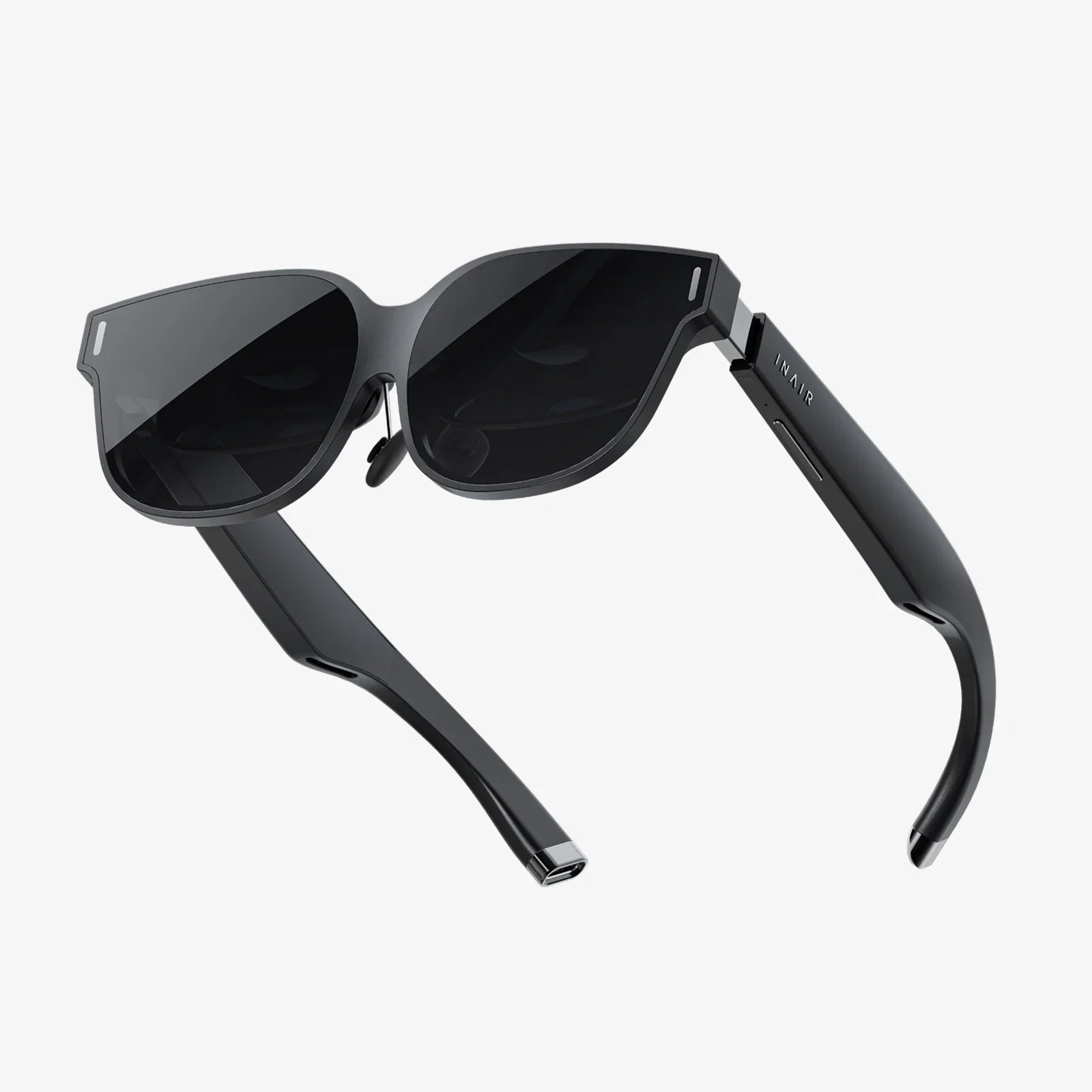
Imagine slipping on a device and instantly being transported. The familiar walls of your room dissolve, replaced by the craggy surface of Mars, the intricate blueprint of a skyscraper, or the front row of a concert happening a continent away. This is no longer the stuff of science fiction; it is the tangible, awe-inspiring reality offered by the modern immersive VR headset. It’s a key to countless doors, each leading to an experience that challenges our perception of what is real and what is possible. The journey beyond the screen starts here.
The Anatomy of Immersion: More Than Just a Screen on Your Face
At its core, an immersive VR headset is a sophisticated piece of technology designed to perform one primary function: to trick the human brain into believing it is somewhere it is not. This illusion, known as presence, is the holy grail of virtual reality. Achieving it requires a harmonious symphony of advanced components working in perfect unison.
The foundation of this experience is high-fidelity visual display. Modern headsets employ twin high-resolution OLED or LCD panels, one for each eye, capable of refresh rates exceeding 90Hz, with many now pushing to 120Hz or even higher. This combination is critical for eliminating the screen-door effect of older models and ensuring smooth, fluid motion that prevents the disorientation and nausea associated with low latency. The human visual system is incredibly sensitive to lag; even a few milliseconds of delay between head movement and the corresponding visual update can shatter the illusion. This is where powerful internal processors or connected computing units come in, rendering complex, detailed environments in real-time.
But vision is only one sense. True immersion is a multi-sensory affair. This is why integrated spatial audio is a non-negotiable feature. Unlike standard stereo sound, spatial audio uses head-related transfer functions (HRTF) to simulate how sound waves interact with the human head and ears. The result is a 3D soundscape where a whisper seems to come from directly behind you, or a spaceship zooms overhead from left to right. You can hear the direction and distance of sounds, adding a profound layer of depth and realism to the virtual world.
The Language of Interaction: How We Communicate with the Virtual
A world you can only look at is a museum diorama. An immersive VR headset unlocks a world you can touch, manipulate, and influence. This is made possible by sophisticated input systems and tracking technologies.
Inside-out tracking has become the standard for high-end devices. Using a constellation of outward-facing cameras and sensors embedded in the headset itself, the device constantly maps its environment and tracks its own position in space with remarkable precision. There is no longer a need for external base stations or lighthouses, offering users unparalleled freedom of movement. This tracking extends to the controllers, which are themselves packed with sensors—accelerometers, gyroscopes, and capacitive touch sensors.
These controllers are the primary tools for interaction. They translate your real-world hand and arm movements into the virtual space, allowing you to grab, throw, shoot, paint, or conduct an orchestra. Haptic feedback, or force feedback, provides the tactile sensation of these actions. A gentle rumble when you pick up an object, a sharp vibration when you fire a weapon—these subtle cues are vital for grounding the experience in a physical reality.
The frontier of interaction is now advancing beyond controllers. Hand-tracking technology, which uses the headset's cameras to model all ten fingers and the user's hands without any external hardware, is becoming increasingly robust. This allows for the most intuitive interaction of all: using your bare hands to push buttons, sculpt clay, or gesture to another person in a social space. Furthermore, the development of haptic gloves and full-body tracking suits promises a future where our entire physical presence is captured and represented within the digital realm.
A Universe of Experiences: Beyond Gaming
While gaming remains a massive driver of adoption and innovation, the applications for immersive VR headsets extend far beyond entertainment, permeating and revolutionizing numerous professional fields.
Revolutionizing Education and Training
Imagine medical students performing intricate virtual dissections without the need for a cadaver, or practicing high-risk surgical procedures in a consequence-free environment. Pilots have trained on flight simulators for decades, but VR offers an even more cost-effective and accessible platform. From mechanics learning to repair complex engines to firefighters training for dangerous rescue scenarios in hyper-realistic simulations, the headset becomes a powerful tool for experiential learning, dramatically improving knowledge retention and skill acquisition.
Transforming Design and Architecture
For architects and engineers, an immersive VR headset is a transformative design tool. Instead of viewing a building model on a 2D screen, they can step inside it at a 1:1 scale. They can walk through the hallways, check sightlines, and assess spatial relationships long before the first brick is laid. This allows for the identification of design flaws and opportunities that would be impossible to spot on a blueprint, saving immense time and resources. Car designers can sit in the driver's seat of a vehicle that exists only as data, examining the interior and making adjustments in real-time.
Expanding Healthcare and Therapy
The therapeutic potential of VR is staggering. It is already being used successfully for exposure therapy, helping patients with phobias (like fear of heights or flying) confront their triggers in a safe, controlled setting. It's used for physical rehabilitation, turning painful or repetitive exercises into engaging games that motivate patients. For those dealing with chronic pain, immersive VR experiences can act as a powerful distractor, effectively reducing perceived pain levels. It even offers new avenues for treating PTSD and anxiety disorders.
Redefining Social Connection and Remote Work
The concept of the "metaverse" speaks to the potential of VR as a new platform for social interaction and collaboration. Immersive VR headsets enable a sense of shared presence that video calls can never match. Colleagues from around the world can meet in a virtual boardroom, interacting with 3D data models as if they were physical objects. Friends can attend virtual concerts together, their avatars conveying body language and gesture, creating a genuine sense of being there. This technology holds the promise of making remote interaction richer and more human.
The Human Factor: Considerations for a Virtual Future
As with any powerful technology, the rise of the immersive VR headset brings with it a host of ethical, social, and practical considerations that we must navigate carefully.
The issue of data privacy is paramount. These devices collect a staggering amount of sensitive biometric data: your eye movements (eye-tracking), your hand gestures, your vocal inflections, and even your unique physical movements that could be used to identify you. The detailed 3D map of your home, captured by the headset's sensors, is also incredibly personal data. Robust regulations and transparent corporate policies are urgently needed to govern how this data is stored, used, and protected.
There are also concerns about the psychological and social effects of prolonged immersion. While VR can be a tool for connection, it could also potentially be used for escapism, leading to further isolation. The concept of "VR ethics" is emerging, grappling with questions about behavior in virtual spaces—if an action has no physical consequence, does that make it acceptable? Establishing norms and safeguards for these new digital frontiers is an ongoing challenge.
On a practical level, accessibility and comfort remain hurdles. While technology is improving, some users still experience simulator sickness. The form factor, though shrinking, still requires a relatively bulky device on your face. And the cost of high-end systems, while decreasing, can still be a barrier to widespread adoption. The industry continues to innovate on all these fronts, striving for a day when VR is as comfortable, affordable, and ubiquitous as a smartphone.
The Horizon of Possibility: What Comes Next?
The evolution of the immersive VR headset is far from over. We are standing on the precipice of even more groundbreaking advancements. The integration of eye-tracking will enable new levels of social realism in avatars and unlock foveated rendering, a technique that concentrates processing power only on the spot where the user is looking, drastically improving performance and visual fidelity. The pursuit of photorealistic graphics continues, blurring the line between the virtual and the real.
Perhaps the most exciting frontier is the development of varifocal displays, which can dynamically adjust their focus to simulate depth naturally, mimicking how our eyes work in the real world. This could finally solve the vergence-accommodation conflict, a key source of eye strain in current headsets. Further out, research into neural interfaces suggests a future where we might interact with virtual worlds through thought alone, bypassing controllers entirely.
The journey of the immersive VR headset is a story of technology striving to become invisible, to not just show us a new world, but to make us believe we are truly within it. It is a tool for creation, connection, and exploration on a scale previously unimaginable. It challenges our definitions of reality and expands the canvas of human experience. The headset is not just a device you wear; it is a portal, and on the other side lies the limitless potential of everything we can dream.
Share:
Best VR Headset for Beginners: Your Ultimate Guide to Starting Your Virtual Journey
Android XR Cost: A Deep Dive into the True Price of Immersive Technology