


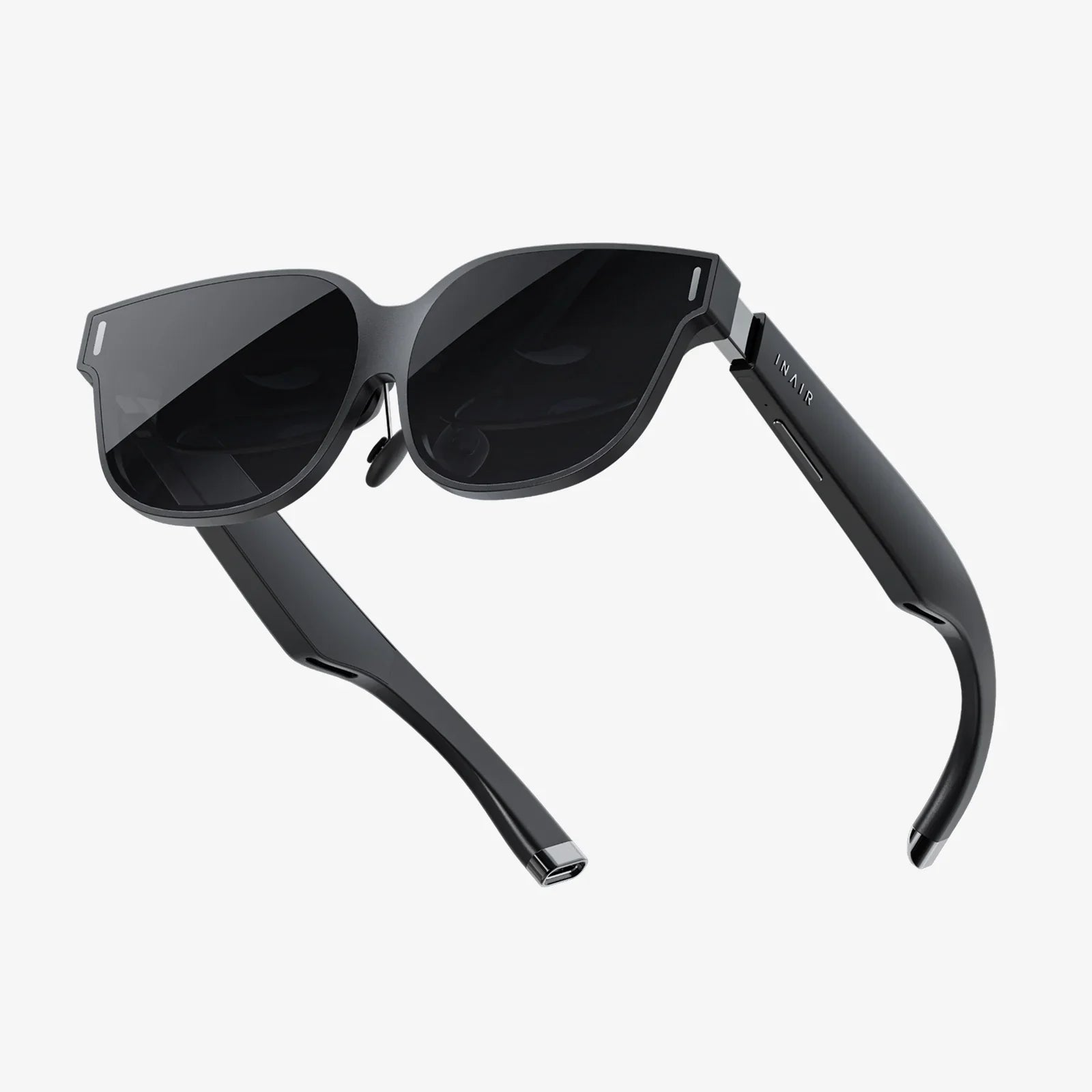
The whispers are getting louder, the rumors more persistent. Across tech forums and industry analyst reports, a single question is on everyone's mind: just how much will the next wave of Android XR glasses cost? This isn't just idle curiosity; it's a query that strikes at the very heart of the next computing revolution. The expected price of these devices will be the primary gatekeeper, determining whether extended reality remains a niche enthusiast's playground or blossoms into the ubiquitous, world-changing platform it promises to be. We're about to peel back the layers of speculation and dive deep into the complex calculus that will determine your future entry fee into a blended world.
The Technological Pillars and Their Price Tags
To understand the expected price of Android XR glasses, one must first dissect the sophisticated technology packed into their sleek frames. Unlike their virtual reality counterparts, which often prioritize raw, immersive power in a stationary headset, XR glasses must achieve a delicate balance of high performance, compact form factor, and all-day battery life. This engineering tightrope walk is the single greatest factor influencing cost.
The most significant cost driver is the display system. True augmented reality requires see-through optics that can seamlessly blend digital artifacts with the real world. Two primary technologies are vying for dominance: Waveguide and BirdBath optics. Waveguide technology, which uses microscopic gratings to bend light into the eye, offers a sleek form factor but is notoriously expensive and complex to manufacture at scale. BirdBath optics, while potentially bulkier, can be a more cost-effective solution. The choice between these, or a newer, more affordable alternative, will create a massive swing in the final Android XR glasses expected price, potentially creating a tiered market from the outset.
Next is the processing brain. Will these devices be tethered to a powerful Android smartphone in your pocket, acting as a sophisticated display, or will they be standalone computers with their own onboard chipset? A tethered model would significantly lower the unit cost, pushing the computational and thermal burdens to a device you already own. A standalone model offers ultimate freedom but requires a miniaturized System-on-a-Chip (SoC), likely a variant of the mobile processors found in high-end phones, complete with dedicated AI engines for spatial tracking and gesture recognition. This component alone could account for a substantial portion of the bill of materials.
The Sensor Suite: Mapping the Real World
You cannot overlay digital content onto physical space without understanding the space itself. This is the job of a complex array of sensors, each adding to the cost. A robust SLAM (Simultaneous Localization and Mapping) system is mandatory. This typically involves:
- High-Resolution Cameras: Multiple cameras for tracking the environment, mapping depth, and enabling pass-through video functionality when needed.
- Depth Sensors: Time-of-Flight (ToF) sensors or structured light projectors that accurately measure distances to objects, ensuring digital objects sit correctly in the world and don't float aimlessly.
- Inertial Measurement Units (IMUs): Accelerometers, gyroscopes, and magnetometers that track the precise movement and orientation of the glasses at incredibly high speeds.
- Eye-Tracking Cameras: This is a critical and costly addition. Eye-tracking enables foveated rendering (drastically reducing GPU load by rendering only the area you're directly looking at in high detail), intuitive UI interaction, and advanced biometrics.
This sensor fusion is non-negotiable for a quality experience, and its cost is a fixed variable that all manufacturers must contend with. Economies of scale will eventually drive these prices down, but for the first generation of consumer-ready devices, it represents a significant hurdle.
Software and Ecosystem: The Hidden Value Proposition
The hardware is only half the story. The Android XR glasses expected price is also a reflection of the software platform they run on. Android, as an open-source operating system, provides a familiar and powerful foundation for developers. However, building a robust spatial computing environment on top of it—one that handles intuitive gesture controls, persistent world anchors, and seamless app integration—requires a monumental software investment.
This R&D cost is amortized across every unit sold. A manufacturer might choose to sell hardware at or near cost, betting on recouping investment and generating profit through a curated app store, subscription services for cloud storage and AI features, or enterprise licensing deals. This 'razor and blades' model could make the upfront Android XR glasses expected price surprisingly palatable, locking users into a specific ecosystem for years to come.
Market Positioning and the Competitive Landscape
Price is never determined by cost alone; it's a strategic decision. Manufacturers will position their glasses based on target audience and capability. We can anticipate a clear segmentation:
- The Budget-Conscious Consumer Tier (Expected Price: $200 - $500): These will likely be tethered devices, functioning primarily as smart displays for notifications, media consumption, and simple AR filters. They will use simpler optics (perhaps BirdBath) and a minimal sensor suite, sacrificing performance and immersion for accessibility.
- The Enthusiast & Prosumer Tier (Expected Price: $500 - $1,200): This is the sweet spot for the first wave of true standalone Android XR glasses. They will feature advanced waveguide displays, a full sensor array for robust SLAM, eye-tracking, and enough processing power to handle demanding applications. This tier will target developers, tech enthusiasts, and professionals in design and engineering.
- The Enterprise & Developer Tier (Expected Price: $1,500+): Price is less of an object here. These devices will prioritize maximum performance, durability, battery life, and specialized enterprise software support for fields like remote assistance, complex assembly, and medical training.
The presence of multiple manufacturers all leveraging the flexible Android platform will create fierce competition, which will inevitably drive prices down faster than in a walled-garden ecosystem. This competitive pressure is a key reason for optimism regarding long-term affordability.
The Long-Term Trajectory: Following the Smartphone Playbook
To forecast the Android XR glasses expected price, one needs only to look at the history of the smartphone. The first generation of iPhones and Android devices were luxury items, priced well over $500 with carrier subsidies. Today, you can buy a capable Android smartphone for under $100.
XR glasses will follow a similar, albeit accelerated, path. Initial high costs will be driven by low-yield manufacturing processes, expensive components, and high R&D amortization. As adoption increases, economies of scale will kick in. Waveguide manufacturing yields will improve, sensor prices will fall due to demand from automotive and other industries, and competition will force innovation in cost-reduction. Within five to seven years of the first mainstream devices hitting the market, we can expect capable AR glasses to be priced akin to mid-range smartphones.
A Rational Forecast: What to Actually Expect
Cutting through the speculation, a realistic forecast for the first generation of credible, standalone Android XR glasses from major manufacturers sits in the $800 to $1,200 range. This price point reflects the high bill of materials for the optics, sensors, and processor, while also allowing for a modest profit margin. It positions them as premium accessories, akin to high-end laptops or flagship phones, for early adopters and professionals.
Tethered models, which offload the expensive processing, will likely arrive at a much more accessible $300 to $600 price point, acting as a gateway drug to the XR experience. The true mass-market price point—sub-$500 for a full-featured, standalone pair of glasses—is still several years and a few technological breakthroughs away, but the path to get there is clear and well-trodden by previous consumer electronics revolutions.
The true magic won't be in the price tag itself, but in what it unlocks. Imagine walking through a new city with historical figures narrating the tour before your eyes, collaborating with a colleague's hologram on a 3D model, or learning to repair your car with step-by-step diagrams overlaid directly onto the engine. This is the promise of XR. The intense competition surrounding the Android XR glasses expected price isn't just a race to the bottom; it's a concerted sprint toward a future where the digital and physical worlds are no longer separate realms, but a single, enhanced reality accessible to everyone. The final barrier to entry is about to shatter, and the world will never look the same.
Share:
Best Mobile VR Glasses: Your Ultimate Guide to Affordable Immersion
Smart Glasses AI Updates Are Redefining Reality and How We Interact With It