


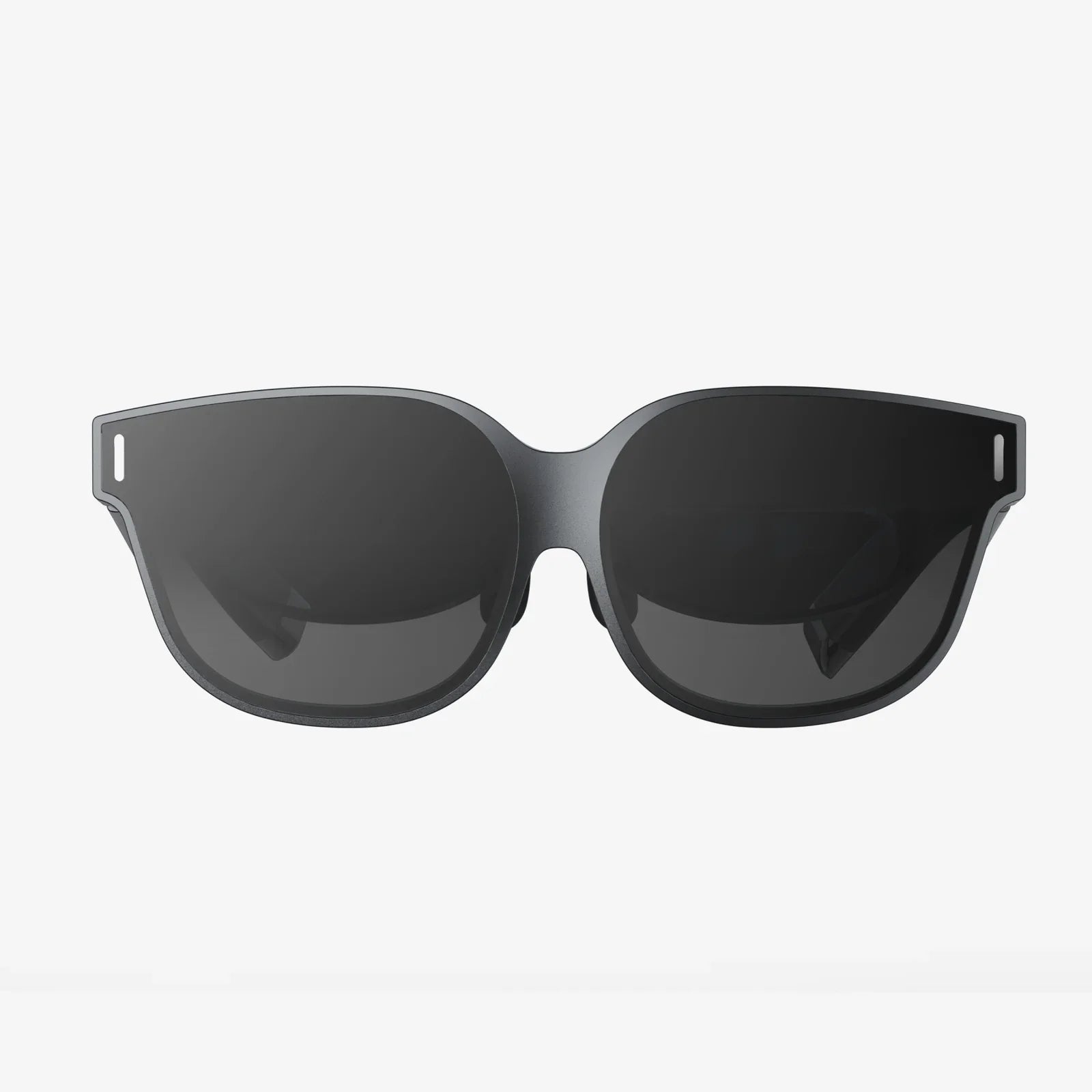
Imagine pointing your device at a ancient, crumbling ruin and watching it rebuild itself before your eyes, stone by stone. Envision a surgeon seeing a patient's vital statistics and a precise surgical guide overlaid directly onto their field of view during a complex operation. Think about a mechanic, miles away from an expert, receiving real-time, hands-free instructions superimposed onto the faulty engine they are repairing. This is not science fiction; this is the tangible, transformative power of AR based projects happening right now. Augmented Reality is seamlessly blending the digital and physical worlds, and its applications are beginning to redefine the very fabric of industry, education, and daily human interaction.
The Core of the Revolution: Understanding AR
At its essence, Augmented Reality is a technology that superimposes computer-generated sensory input—such as sound, video, graphics, or GPS data—onto a user's view of the real world. Unlike Virtual Reality, which creates a completely artificial environment, AR enhances the real world by adding a digital layer of information onto it. This is typically achieved through devices like smartphones, tablets, smart glasses, and specialized headsets. The magic of AR based projects lies in their ability to provide contextually relevant information exactly when and where it is needed, creating a more intuitive and information-rich interaction with our surroundings.
A New Dimension in Manufacturing and Industrial Design
The industrial sector is witnessing one of the most profound impacts from AR based projects. These initiatives are streamlining complex processes, enhancing safety, and drastically reducing errors and costs.
Assembly and Maintenance
Complex assembly lines, whether for automobiles or advanced electronics, are being revolutionized. AR can project digital work instructions, diagrams, and 3D models directly onto the physical components a worker is handling. This eliminates the constant need to refer to paper manuals or computer screens, reducing cognitive load and minimizing mistakes. For maintenance and repair, a technician wearing AR glasses can see the internal workings of a machine, with animated arrows pointing to specific parts, torque specifications floating next to bolts, and a step-by-step guide for the repair procedure. This not only speeds up the process but also allows less experienced technicians to perform complex tasks with expert-level guidance.
Prototyping and Design
Before a single physical prototype is ever built, designers and engineers can use AR to visualize and interact with full-scale 3D models of their creations. They can walk around a virtual car engine, inspect the interior of a building's HVAC system, or see how a new piece of furniture would look in a real room. This immersive design review process facilitates better collaboration, identifies potential flaws early, and saves immense amounts of time and resources that would have been spent on physical mock-ups.
Logistics and Warehousing
In massive distribution centers, AR is dramatically improving picking and packing efficiency. Warehouse workers equipped with smart glasses can see the most optimal route through the aisles to collect items for an order. Digital indicators can highlight the exact shelf and bin location, and even confirm the item with a visual check, significantly reducing errors and training time. This application of AR based projects directly boosts productivity and order accuracy.
Revolutionizing the Retail and E-Commerce Experience
The retail landscape is being reshaped by AR, bridging the gap between online shopping and the physical store experience. These projects are empowering consumers and creating new, engaging ways to shop.
Try Before You Buy
One of the most popular consumer applications is virtual try-on. Customers can use their smartphone cameras to see how a pair of glasses, a watch, or even makeup will look on their own face. For home goods, AR apps allow users to place virtual sofas, tables, and lamps into their actual living space to check for size, style, and fit before making a purchase. This reduces the uncertainty of online shopping and decreases return rates, creating a more confident and satisfied customer.
Interactive In-Store Navigation
Large retail stores can be overwhelming. AR based projects are creating in-store navigation apps that overlay digital pathways on the camera feed, guiding shoppers directly to the products they are looking for. Furthermore, pointing a phone at a product can reveal additional digital content—customer reviews, demonstration videos, or information about sustainable sourcing—enriching the shopping experience with a deeper layer of information.
Transforming Education and Training
AR is moving education from passive learning to active exploration, making abstract concepts tangible and dangerous training scenarios safe.
Immersive Learning
Textbook diagrams of a human heart become a beating, interactive 3D model that students can dissect and explore from every angle. Historical events can be reenacted on a student's desk, and geographical features can be examined in 3D. This interactive, visual approach caters to different learning styles and dramatically improves engagement and knowledge retention. AR based projects in education are turning classrooms into dynamic, interactive learning environments.
Skill Development and Simulation
From medical students practicing complex surgical procedures on virtual patients to mechanics learning to repair new engine models without the need for a physical engine, AR provides a risk-free, repeatable, and cost-effective training platform. Trainees can make mistakes without real-world consequences, building muscle memory and expertise in a controlled, yet highly realistic, environment.
Advancing Healthcare and Medicine
The potential for AR in healthcare is staggering, offering new tools for diagnosis, treatment, and medical training that can save lives and improve patient outcomes.
Surgical Assistance
Surgeons can wear AR headsets that overlay critical information, such as MRI data or 3D reconstructions of tumors, directly onto their view of the patient during surgery. This allows for incredibly precise incisions and navigation, minimizing damage to surrounding healthy tissue. It can also display real-time vital signs, keeping the surgeon's focus on the patient rather than on distant monitors.
Patient Education and Rehabilitation
Doctors can use AR to visualize a medical condition for a patient, explaining a complex procedure or the effects of a disease in an easily understandable way. In physical therapy, AR games and exercises can make repetitive rehabilitation movements more engaging, motivating patients to complete their routines and providing therapists with precise data on movement and progress.
Navigating the Challenges and Looking to the Future
Despite its immense potential, the widespread adoption of AR based projects is not without significant hurdles. Technical challenges include achieving a perfect, lag-free alignment of digital and physical objects (registration), developing hardware that is both powerful and socially acceptable to wear for long periods, and ensuring robust tracking in diverse environments. Beyond technology, there are serious concerns about user privacy, data security, and the potential for digital spam or visual pollution in our physical spaces.
However, the trajectory is clear. The future of AR is moving towards more seamless integration. We are progressing towards lightweight, stylish glasses that offer all-day battery life and a natural field of view. The development of the AR cloud—a persistent digital copy of the real world—will allow for shared, multi-user experiences that are anchored to specific locations, enabling new forms of collaborative work and social interaction. As 5G connectivity becomes ubiquitous, it will provide the high bandwidth and low latency needed to stream complex AR experiences from the cloud, reducing the processing burden on the device itself.
The true power of AR based projects lies not in the technology itself, but in its ability to augment human capability. It is a tool that puts information and imagination directly into our context, making us smarter workers, more effective learners, and more connected individuals. We are standing at the precipice of a new era, one where our digital and physical realities are no longer separate, but are woven together into a single, enhanced tapestry of experience. The next time you look at the world around you, remember—you are only just beginning to see its full potential.
Share:
Cons to Wearable Technology: The Hidden Costs of a Connected Life
Best Buy Digital Products: Your Ultimate Guide to Smart Tech Spending in 2024