


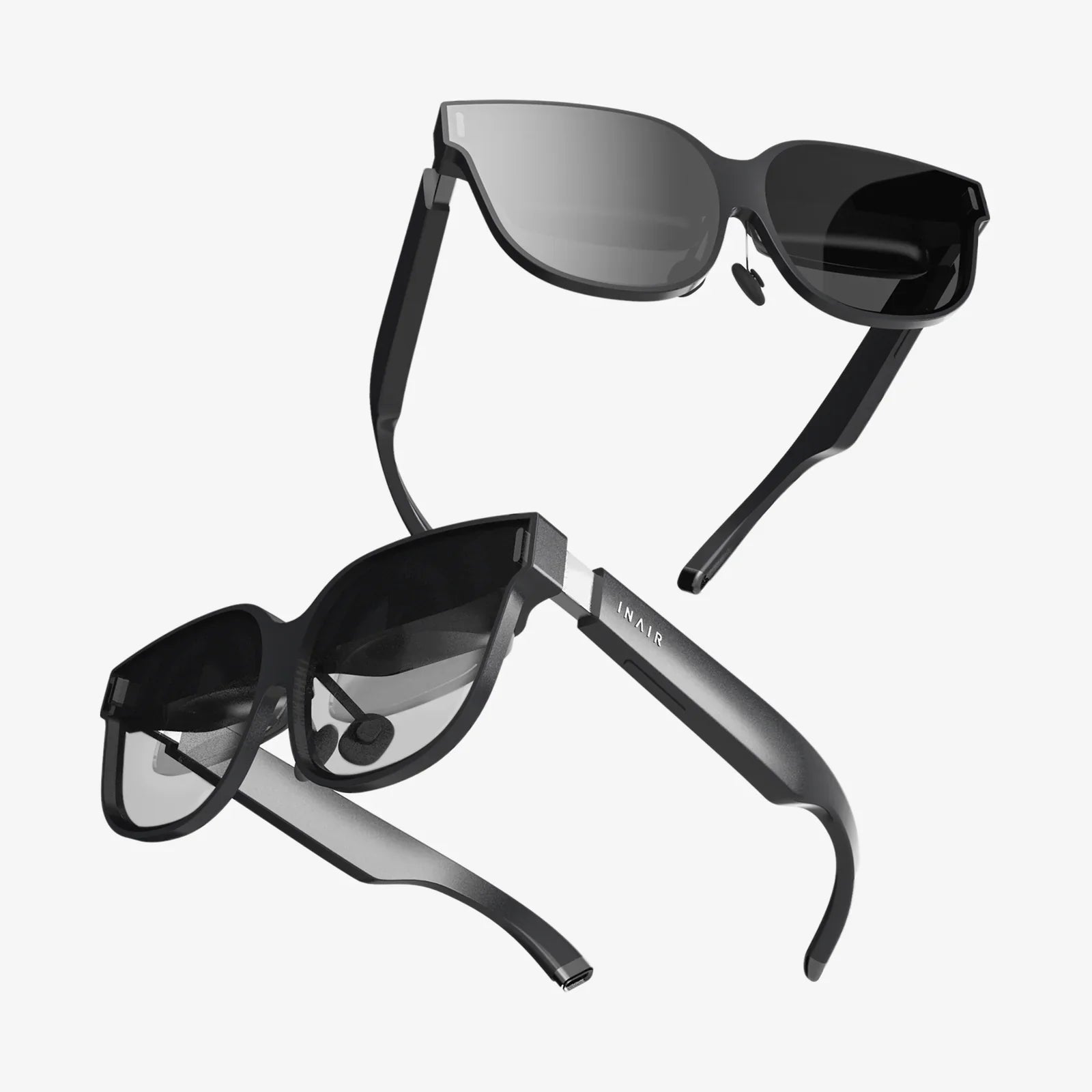
You've seen them on every wrist, heard the buzz about optimized living, and maybe even considered joining the millions who track their every step, heartbeat, and sleep cycle. Wearable technology promises a future of unparalleled health and convenience, a digital utopia on your wrist. But before you strap on that next device and fully integrate it into your life, it’s crucial to look beyond the glossy marketing and understand the profound and often hidden drawbacks lurking beneath the surface. The journey into a connected self is paved with more than just data points; it's fraught with risks to your privacy, your health, your wallet, and the very fabric of human connection.
The Erosion of Personal Privacy: Your Life as an Open Data Stream
The most immediate and alarming con of wearable technology is its insatiable appetite for your personal data. These devices are not passive accessories; they are sophisticated data-harvesting engines. Every moment they are worn, they collect a staggering amount of intimate information:
- Biometric Data: Heart rate, heart rate variability, blood oxygen levels, skin temperature, and even electrodermal activity (a measure of stress).
- Location Data: Precise GPS tracking of your movements throughout the day, mapping your routines, commutes, and favorite locations.
- Behavioral Data: Sleep patterns, exercise habits, calorie consumption, and even step count.
- Social Data: Who you communicate with, when, and for how long.
This collection creates a digital twin of your physical self, a highly detailed and valuable profile. The critical question becomes: what happens to this data? Often, it is uploaded to cloud servers owned by the manufacturing companies. Their privacy policies, which few users read in full, frequently grant them broad rights to aggregate, anonymize, and sell this data to third parties. These third parties can include advertisers, health insurance companies, and data brokers. The potential for misuse is enormous. Could this data one day be used to deny you health or life insurance based on your sleep patterns or activity levels? Could it be subpoenaed in legal proceedings? The creation of such extensive profiles also presents a massive security risk; a data breach at a wearable tech company could expose the most intimate details of millions of users' lives to malicious actors.
The Physical and Mental Health Toll: When Tracking Does More Harm Than Good
Paradoxically, devices marketed to improve health can sometimes have the opposite effect. The constant monitoring of bodily functions can lead to a phenomenon often called “quantified self anxiety” or “orthosomnia” – an unhealthy obsession with achieving perfect data.
- Sleep Anxiety: Instead of promoting rest, sleep trackers can cause significant anxiety. Users may fixate on achieving a specific “sleep score” or a certain amount of deep sleep, leading to performance anxiety around resting. Waking up and immediately judging your night based on a metric can set a stressful tone for the entire day, ironically making it harder to sleep well the following night.
- Exercise Obsession: The gamification of exercise through badges and rings can be motivating for some, but for others, it fosters compulsive behavior. The pressure to “close your rings” or hit a daily step goal can push individuals to exercise when they are injured, sick, or genuinely need rest, leading to longer-term physical harm.
- Body Image Issues: Constant calorie tracking and the focus on burning energy can exacerbate or trigger eating disorders and unhealthy relationships with food and body image. The device becomes a judge, constantly evaluating and grading the user's choices.
- Radiation and Skin Concerns: While the scientific consensus is that the low-level non-ionizing radiation (radiofrequency) emitted by wearables is safe, some individuals remain concerned about the long-term effects of having a radiation-emitting device on their body 24/7. More tangibly, many users report skin irritation, rashes, and contact dermatitis from the materials in the bands and the constant friction and moisture trapped against the skin.
The Illusion of Accuracy: Misleading Data and False Assurance
Consumers often treat the data from their wearables as clinical-grade truth. This is a dangerous misconception. The sensors in these devices, while impressive for their size, are prone to significant error.
Heart rate monitors can be thrown off by factors like skin tone, tattoo ink, and how tightly the device is worn. Calorie burn estimators are notoriously inaccurate, often based on generalized algorithms rather than individual physiology. Sleep stage tracking is inferred from movement and heart rate patterns, a far cry from the precise brain activity monitoring done in a professional sleep lab.
This inaccuracy creates a two-fold risk. First, it can lead to misguided health decisions. Someone might eat more or less based on a faulty calorie estimate, or become anxious about a heart rate reading that is simply incorrect. Second, and more dangerously, it can create a false sense of security. An individual might ignore real symptoms of a health problem because their device shows “normal” readings, potentially delaying crucial medical diagnosis and treatment. Relying on a consumer gadget for medical insight is not just unwise; it could be hazardous.
The Social and Psychological Impact: The quantified Self and the Dwindling Human Experience
Wearables subtly reshape our relationship with ourselves and others. The concept of the “quantified self” reduces rich, complex human experiences to cold, hard numbers. A walk in the park becomes about step count, not nature. A good night's sleep becomes a score to beat, not a feeling of refreshment. This constant quantification can detach us from our innate bodily senses and intuition—the ability to know we are tired, hungry, or stressed without a device telling us so.
Socially, the presence of wearables can be a barrier to genuine connection. Checking your device during a conversation to see a notification is just as disruptive as checking a phone. The constant buzz and glow of notifications on a wrist can make us perpetually distracted, less present in the moment with the people right in front of us. Furthermore, the social pressure and comparison fueled by sharing stats on leaderboards can turn health, a personal journey, into a source of insecurity and competition.
Financial and Environmental Costs: The Price of perpetual Upgrades
The initial purchase price of a wearable is just the beginning of its financial footprint. This is a category defined by rapid obsolescence. New models with marginally better sensors or slightly redesigned cases are released annually, fueling a cycle of consumerism that encourages users to upgrade long before their current device has reached the end of its functional life.
This “churn and burn” cycle has a significant environmental impact. The production of these small, complex devices requires the mining of rare earth minerals and other finite resources. Their disposal contributes to the growing problem of electronic waste (e-waste), which is often difficult to recycle and can leach toxic chemicals into the environment. The constant charging required also adds to the user's energy consumption, a small individual cost that adds up across millions of users.
The Ethical Dilemma: Surveillance and the Erosion of Autonomy
Finally, the widespread adoption of wearables raises deep ethical questions about surveillance and autonomy. When these devices are mandated or heavily incentivized by employers or insurance companies, they blur the line between personal choice and corporate coercion.
Corporate wellness programs that offer discounts for hitting certain activity goals sound benign but can penalize those who opt out or cannot meet the targets due to health conditions, disability, or simply a desire for privacy. This creates a form of digital surveillance where our health behaviors are monitored for financial gain. It empowers large institutions to judge and influence the most private aspects of our lives, eroding personal autonomy and creating a new digital divide between those who are willing to be tracked and those who are not.
The allure of wearable technology is powerful, painting a picture of a smarter, healthier, and more efficient life. Yet, this connected future demands a more cautious and critical eye. The trade-off for a handful of convenient metrics is a vast and ongoing transfer of your most personal data into systems you cannot control. It's the risk of replacing innate human intuition with flawed algorithms, of prioritizing quantified metrics over qualitative experiences, and of inviting unprecedented surveillance into our daily lives. True wellness isn't found in a dataset on your phone; it's found in being present, listening to your body, and living a life disconnected from the constant need to be measured. The most empowering step you take today might be the one you don't track.
Share:
What Exactly Is Artificial Intelligence? A Deep Dive Into The Future
AR Based Projects: Transforming Industries and Redefining Human Experience