


- by wangfred
AR Brace: The Future of Injury Recovery and Enhanced Mobility
- by wangfred
Imagine a world where recovering from a knee injury doesn't mean navigating a frustrating fog of uncertainty, but instead, you see a clear, digital guide overlaid on your own leg, showing you exactly how to move, tracking your progress in real-time, and turning rehabilitation into an engaging, interactive experience. This is no longer the stuff of science fiction; it is the burgeoning reality of the AR brace, a technological leap set to redefine orthopedic care and personal mobility. This convergence of medical bracing and augmented reality is poised to transform patients from passive recipients of care into active, informed participants in their own recovery journeys.
For centuries, the fundamental principle of the orthopedic brace has remained largely unchanged: to immobilize, support, and protect an injured joint or limb. Constructed from leather, metal, and later, advanced polymers and plastics, these devices were inherently passive. Their primary function was mechanical—to restrict movement and provide stability, allowing the body's natural healing processes to occur. While effective for protection, traditional bracing often created a significant disconnect between the patient and their recovery. Individuals were left to interpret sensations of pain or instability on their own, often leading to anxiety, under-utilization of the brace, or conversely, over-reliance and muscle atrophy.
The digital age introduced the first major shift with the advent of smart braces equipped with basic sensors. These devices could collect rudimentary data like range of motion or time spent wearing the device. However, this data was often retrospective, requiring connection to a separate app or computer for analysis, offering little in the way of real-time, actionable feedback. The AR brace represents the next, and perhaps most profound, evolutionary step: the transition from data collection to intelligent guidance. It merges the physical support of a traditional brace with a dynamic, digital layer of information, creating a symbiotic system that actively assists the user.
At its core, an AR brace system is a sophisticated integration of hardware and software designed to work in harmony. The physical brace itself is engineered not just for support, but as a platform for technology. It is typically lightweight, ergonomic, and embedded with a network of precise sensors. These can include:
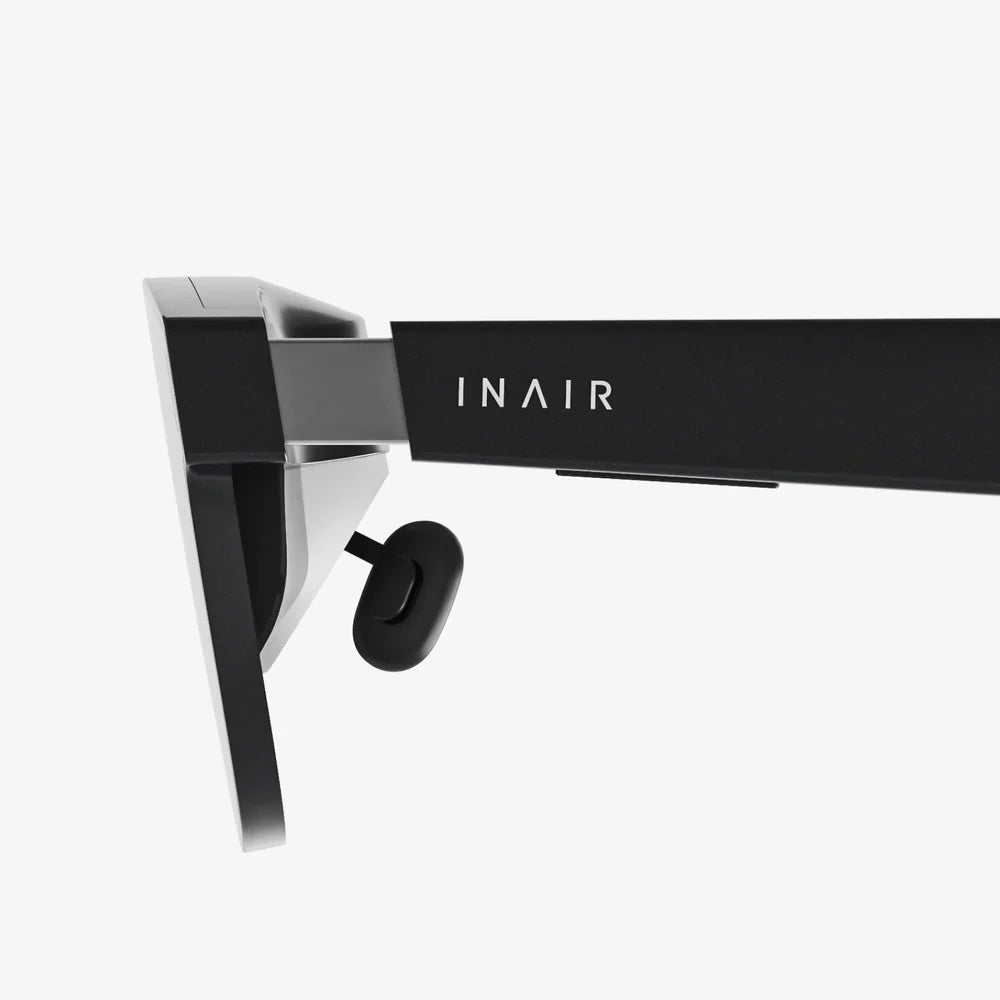
This sensor data is processed by a small, onboard computing unit. The true magic, however, happens with the augmented reality interface. This is most commonly delivered through a pair of lightweight smart glasses or even through a smartphone or tablet camera. The processed data from the sensors is translated into an intuitive visual overlay projected onto the user's view of their own body.
The most immediate and impactful application of AR brace technology is in the field of physical therapy and rehabilitation. Traditional physiotherapy often relies on patients performing prescribed exercises at home, with only periodic check-ins with their therapist. Adherence and correct form are constant challenges. The AR brace shatters this model by bringing the therapist's expertise into the patient's home environment, 24/7.
While rehabilitation is a primary focus, the potential of AR brace technology extends far beyond the clinic.
In athletic performance, these devices can be a game-changer. Athletes can use them during training to analyze and perfect complex movements. A basketball player could work on their jumping and landing mechanics, with the AR system providing feedback on knee valgus to reduce the risk of ACL injuries. A baseball pitcher could fine-tune their throwing motion, ensuring optimal shoulder and elbow kinematics to avoid overuse injuries. This provides a level of biomechanical analysis previously only available in high-tech performance labs.
Furthermore, AR braces hold immense promise for preventative care. For individuals with chronic joint instability or early-stage arthritis, the technology can serve as a daily movement coach. It can provide gentle reminders to avoid certain postures, suggest micro-adjustments while walking or climbing stairs, and reinforce healthy movement patterns throughout the day to slow joint degeneration and manage pain.
Despite its promise, the path forward for AR brace technology is not without significant hurdles. The collection of detailed biomechanical and health data raises serious questions about data privacy, security, and ownership. Robust regulatory frameworks, similar to those governing medical devices, will need to be developed and enforced to protect users.
Cost and accessibility present another major challenge. The advanced sensors, computing hardware, and AR displays make this a potentially expensive technology, risking the creation of a two-tier system where only elite athletes or the wealthy have access to the best recovery tools. For widespread adoption, costs must decrease through innovation and scale.
Finally, there is the irreplaceable human element. Technology should augment, not replace, the expertise of physical therapists and clinicians. The most successful implementation will be a hybrid model where the AR brace handles repetitive guidance and data collection, freeing up the therapist to focus on complex manual therapy, motivational support, and creating personalized, holistic treatment plans based on the rich data stream provided by the device.
The AR brace is more than just a new product; it is a gateway to a new paradigm of musculoskeletal health. As the technology matures, we can anticipate several key developments. Integration with artificial intelligence will enable predictive analytics, where the system can not only correct movement but also forecast potential setbacks or suggest prehab exercises based on an individual's movement patterns. Haptic feedback will become more sophisticated, capable of providing nuanced guidance through touch. Furthermore, the form factor will evolve, likely becoming less obtrusive and eventually integrating directly into clothing or minimalist wearable skins.
This technology represents a powerful shift towards personalized, data-driven medicine. It empowers individuals with unprecedented insight into their own bodies, demystifying the recovery process and putting control back into their hands. It promises to make rehabilitation more effective, efficient, and engaging, ultimately helping people return to their lives and passions faster and safer.
The journey from a bulky, restrictive cast to a intelligent, responsive AR system marks a pivotal moment in medical technology. It’s a future where your support system doesn’t just hold you back—it helps you move forward with confidence, clarity, and a deeper connection to your own healing, turning every step of recovery into a visible, achievable victory.