


Imagine pointing your phone at your living room and seeing a virtual sofa perfectly positioned in the empty space, or watching a towering dinosaur stomp through your local park as if it were really there. This isn't science fiction—it's the everyday magic made possible by AR Core compatible devices, and your phone might already be one of them. The gateway to blending digital wonders with our physical reality is closer than you think, hiding in plain sight within your pocket.
The Engine Behind the Magic: What Exactly Is AR Core?
Before we dive into the devices themselves, it's crucial to understand what powers them. AR Core is a sophisticated software development kit (SDK) that enables phones to understand and interact with the world around them. It's not a standalone app you download; rather, it's a powerful framework built into the operating system of compatible devices.
This technology works by using three key capabilities: motion tracking, environmental understanding, and light estimation. Motion tracking allows the phone to understand its position relative to the world through the camera. Environmental understanding lets the device detect horizontal surfaces like tables and floors. Finally, light estimation enables virtual objects to cast believable shadows and blend seamlessly with their surroundings. Together, these features create the convincing illusion that digital content is part of your physical environment.
The Hardware Heartbeat: What Makes a Device AR Core Compatible?
Not every smartphone can run AR Core effectively. The technology demands specific hardware components to function properly. These requirements ensure that the augmented reality experience is smooth, responsive, and visually convincing.
Essential Components for AR Core Compatibility
- Processor (CPU/GPU): A sufficiently powerful processor is needed to handle the complex calculations required for real-time environmental tracking and rendering of 3D objects. Most mid-range and flagship processors from recent years meet this requirement.
- Camera: While even a single camera can work with AR Core, more advanced camera systems (including depth sensors and time-of-flight sensors) significantly enhance the AR experience by improving spatial awareness.
- Inertial Measurement Unit (IMU): This combination of accelerometers and gyroscopes is critical for precise motion tracking, helping the phone understand its movement and orientation in space.
- Software Support: The device must run a supported operating system version and receive regular security updates to maintain compatibility with the latest AR Core features.
Manufacturers must have their devices certified to ensure they meet all performance standards for a quality AR experience. This certification process is why some phones with seemingly capable hardware might not support AR Core officially.
The Ever-Expanding Universe: Categories of AR Core Compatible Devices
The landscape of AR Core compatible devices has expanded dramatically since the technology's introduction. What began as a limited selection of flagship models has grown to encompass hundreds of devices across various price points and manufacturers.
Flagship Powerhouses
At the top of the spectrum are premium smartphones designed with advanced AR capabilities in mind. These devices typically feature the most powerful processors, high-resolution displays, sophisticated multi-camera systems, and specialized sensors that take AR experiences to the next level. They often receive AR Core updates first and can handle the most demanding AR applications with ease.
Mid-Range Marvels
The most significant growth in AR Core compatibility has occurred in the mid-range segment. Manufacturers have made augmented reality accessible to a much broader audience by ensuring their popular mid-tier models support the technology. These devices offer excellent AR performance for most applications, making advanced AR experiences available without the premium price tag.
Budget-Friendly Options
Even entry-level smartphones are increasingly joining the AR Core ecosystem. While they may not support every advanced feature, they still provide access to the core AR experiences that make the technology so compelling. This democratization of AR means that more people worldwide can experience augmented reality without significant financial investment.
Transforming Industries: Practical Applications of AR Core Technology
The true value of AR Core compatible devices reveals itself through their practical applications across various sectors. These aren't just novelty features; they're powerful tools changing how we work, learn, and play.
Retail and E-Commerce Revolution
Imagine trying on glasses, testing how a new paint color would look on your walls, or seeing how a piece of furniture would fit in your room before making a purchase. AR Core makes this possible through virtual try-ons and product previews that have revolutionized online shopping. Customers can make more informed decisions, while retailers experience reduced return rates and increased customer satisfaction.
Education and Training Enhancements
Educational institutions are leveraging AR Core technology to create immersive learning experiences. Students can explore the human body in 3D, witness historical events unfold in their classroom, or interact with complex molecular structures. In professional training scenarios, AR provides hands-on practice without the risks or costs associated with real-world training, from medical procedures to equipment repair.
Navigation and Wayfinding
AR-enhanced navigation systems overlay directional arrows and information onto the real world through your phone's camera, making it incredibly intuitive to navigate complex environments like airports, shopping malls, or university campuses. This technology provides contextual information about your surroundings, transforming how we interact with unfamiliar spaces.
Gaming and Entertainment
The entertainment industry has fully embraced AR Core technology, creating games that transform your environment into magical playgrounds and interactive experiences that blend storytelling with physical spaces. From catching virtual creatures in your local park to solving puzzles that appear on your kitchen table, AR gaming has created entirely new entertainment paradigms.
Future Horizons: Where AR Core Technology Is Heading
The evolution of AR Core compatible devices is far from complete. Several emerging trends and technologies promise to make augmented reality even more immersive and integrated into our daily lives.
Improved Environmental Understanding
Future iterations of AR Core will feature enhanced depth sensing and spatial awareness, allowing devices to understand more complex environments with greater accuracy. This means virtual objects will be able to interact more realistically with their surroundings—occluding properly behind real objects, sitting more naturally on uneven surfaces, and responding to environmental conditions.
Multiplayer and Shared Experiences
The next frontier for AR involves shared experiences where multiple users can see and interact with the same virtual objects in the same physical space. This technology will enable new forms of collaborative work, social interaction, and multiplayer gaming that seamlessly blend physical and digital realities.
Wearable AR Integration
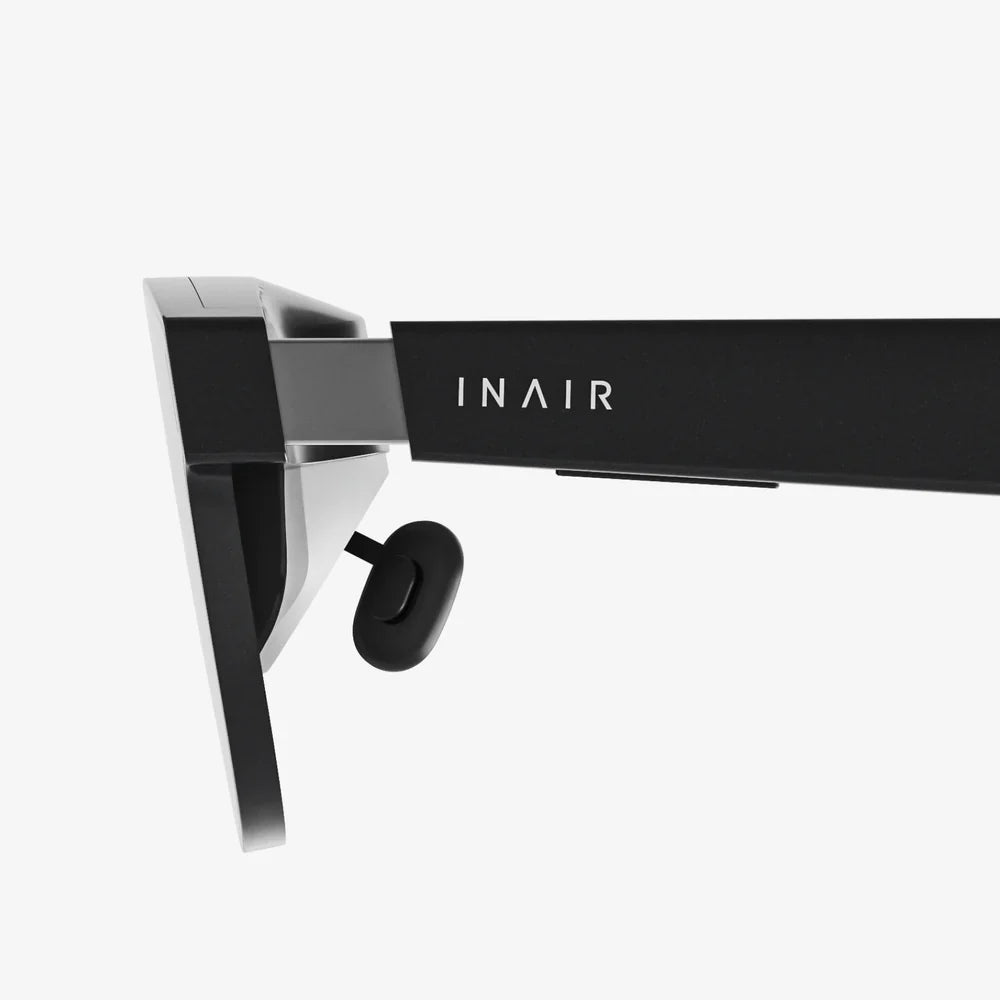
While current AR Core compatible devices are primarily smartphones, the technology is clearly moving toward wearable AR glasses and headsets. These devices will provide a more natural and hands-free AR experience, potentially eventually replacing smartphones as our primary gateway to augmented reality.
Optimizing Your AR Experience: Tips for Better Performance
To get the most out of your AR Core compatible device, consider these performance optimization tips:
- Ensure adequate lighting—AR functions best in well-lit environments
- Keep your device's software and AR Core services updated
- Clean your camera lens for clearer world detection
- Move your device slowly when initializing AR experiences
- Close background applications to free up processing power
- Use a protective case that doesn't obstruct cameras or sensors
Beyond the Phone: The Expanding Ecosystem of AR Core Devices
While smartphones remain the primary platform for AR Core, the technology is expanding to other device categories. Some manufacturers have begun incorporating AR Core capabilities into tablets, providing larger canvases for AR experiences. There are even developments bringing AR Core to other form factors, potentially including laptops and specialized AR devices in the future.
This expansion signals a future where augmented reality isn't confined to handheld devices but becomes integrated across our digital ecosystem, creating seamless experiences that transition between devices as needed.
The world around you is about to become a lot more interesting. With AR Core compatible devices, your ordinary surroundings transform into portals for learning, shopping, gaming, and creating. That powerful technology isn't waiting in some distant future—it's likely already in your hand, ready to overlay a world of digital magic onto your physical reality. The only question left is: what will you create with it?
Share:
Hologram Machine: The Future of Visual Technology is Here and It's Transparent
Types of AR Devices: A Comprehensive Guide to the Augmented Reality Landscape