


Imagine walking into a conference, pointing your device at a seemingly blank wall, and watching a complex 3D data model spring to life. Or attending a concert where digital dragons soar through the arena, visible only through your screen, synced perfectly with the music. This is no longer the stuff of science fiction; it’s the present and future of augmented reality event experiences, a technological revolution that is fundamentally altering how we connect, learn, and feel in shared spaces.
Beyond the Gimmick: Defining True AR in the Event Space
It's crucial to distinguish AR event experiences from simple digital overlays. True, impactful AR is not just a filter that places a funny hat on a user's head. It is a sophisticated layer of digital information—graphics, sound, haptic feedback, and data—seamlessly integrated into the user's real-world environment in real-time. The key differentiator is context and interaction. The digital content is aware of its surroundings, responds to user input, and enhances the physical space rather than obscuring it.
This technology leverages a few core components:
- Marker-based AR: Uses a specific image or object (a QR code, a logo, a product) as a trigger to launch the digital experience.
- Markerless AR (or location-based AR): Utilizes GPS, accelerometers, and compass data in smartphones to anchor digital content to a specific location in the real world, like a specific room in an expo hall or a point on a stage.
- Projection-based AR: Projects artificial light onto physical surfaces, creating interactive displays that can respond to touch or movement.
- Superimposition-based AR: Replaces the original view of an object with an augmented one, such as virtually placing a piece of furniture in your room to see how it fits.
The Transformative Impact: Why AR is a Game-Changer for Events
The adoption of AR is not merely about keeping up with trends; it's about solving perennial event challenges and unlocking new realms of possibility.
1. Supercharging Engagement and Dwell Time
In a world of shortening attention spans, events fight a constant battle for engagement. AR transforms passive attendees into active participants. Instead of just reading a placard next to an exhibit, they can interact with a 3D model, watch a virtual assembly process, or play an educational game. This interactive element is incredibly compelling, dramatically increasing the time people spend at a booth, exhibit, or installation. It turns a mundane interaction into a memorable event experience, fostering a deeper emotional connection with the content.
2. Democratizing Access and Enhancing Inclusivity
Physical events have inherent limitations: capacity, geography, and cost. AR can be a powerful tool for creating hybrid or fully remote extensions of an event. A user across the globe can use an AR app to explore a virtual recreation of the show floor, interact with product demos from their living room, or even see digital avatars of speakers on their own desk. Furthermore, AR can provide accessibility features, such as real-time sign language avatars next to a stage or audio descriptions triggered by pointing a device at an artwork, making events more inclusive than ever before.
3. Unleashing Data and Delivering Measurable ROI
For organizers and exhibitors, the black hole of event marketing has always been measuring true engagement. How many people genuinely interacted with your display? What did they find most interesting? AR experiences provide a treasure trove of analytics. Organizers can track the number of activations, time spent interacting, heatmaps of user engagement within the experience, and even social shares. This data moves event success metrics from vague estimations ("traffic looked good") to concrete, actionable insights, proving a clear return on investment.
4. Storytelling on a Grand and Personal Scale
Humans are wired for stories. AR allows brands and organizers to tell their stories in an immersive, non-linear fashion. A historical tour can be transformed as users point their devices at ruins to see them rebuilt before their eyes. A product launch can become an epic narrative where users uncover features piece by piece through a digital scavenger hunt. This method of storytelling is not just broadcast; it's discovered, creating a powerful sense of personal involvement and achievement for the user.
From Concept to Reality: Key Applications Across Event Types
The versatility of AR means its applications are nearly limitless, but several event categories are already seeing profound benefits.
Conferences and Expos
This is perhaps the most fertile ground for AR. Navigation is revolutionized with AR wayfinding, where arrows and paths overlay the real-world view of a convention center, guiding users effortlessly to their next session. Complex B2B products, which are often difficult to transport and demonstrate, can be brought to life as intricate, animated 3D models. Networking is enhanced through AR badges that, when scanned, reveal a person's professional profile and social media links, making awkward exchanges a thing of the past.
Music Festivals and Live Performances
Here, AR is used to create pure spectacle and enhance the emotional impact of a performance. Artists can deploy stunning visual effects, from virtual pyro to animated characters that perform alongside them, creating a unique visual signature for each show. Festival-goers can use AR maps to locate friends, stages, and amenities. Sponsors can create engaging, shareable activations, like virtual photo booths with themed filters and backgrounds, that add to the fun rather than disrupt it.
Museums and Cultural Institutions
AR is breathing new life into static exhibits. Pointing a device at a fossil might show a rendering of the dinosaur as it was in life, roaring and moving. A painting can reveal the story of its creation, the artist's techniques, or hidden layers beneath the surface. This transforms a museum visit from a passive viewing exercise into an active, educational adventure, making it infinitely more appealing to younger audiences.
Trade Shows and Product Launches
For product launches, AR allows potential customers to visualize products at scale and in their intended environment—a piece of industrial machinery on a factory floor or a new car in a showroom—without the physical product being present. It enables customization; users can change colors, configurations, and features in real-time, creating a personalized experience that drives emotional investment and, ultimately, sales.
Navigating the Challenges: The Practicalities of Implementation
While the potential is enormous, successfully deploying AR event experiences requires careful planning and an awareness of its current limitations.
Technical and Logistical Hurdles
The primary barrier is often connectivity. Large event venues are notorious for poor Wi-Fi and cellular reception. A robust AR experience requires a strong, stable data connection to download assets or function in real-time. Solutions include pre-downloading content within the event app or setting up localized high-density Wi-Fi networks. Furthermore, device fragmentation is a reality; the experience must be designed to work across a wide range of smartphone capabilities, from older models to the latest flagship devices.
Designing for the User, Not the Technology
The biggest mistake is to let the technology lead. The experience must be designed with a clear purpose: what problem does it solve? What emotion does it evoke? The user interface must be intuitive and require minimal instruction. If users need a lengthy tutorial to understand how to engage, they will simply disengage. The best AR experiences are those that feel magical and effortless.
Battery Life and Hardware
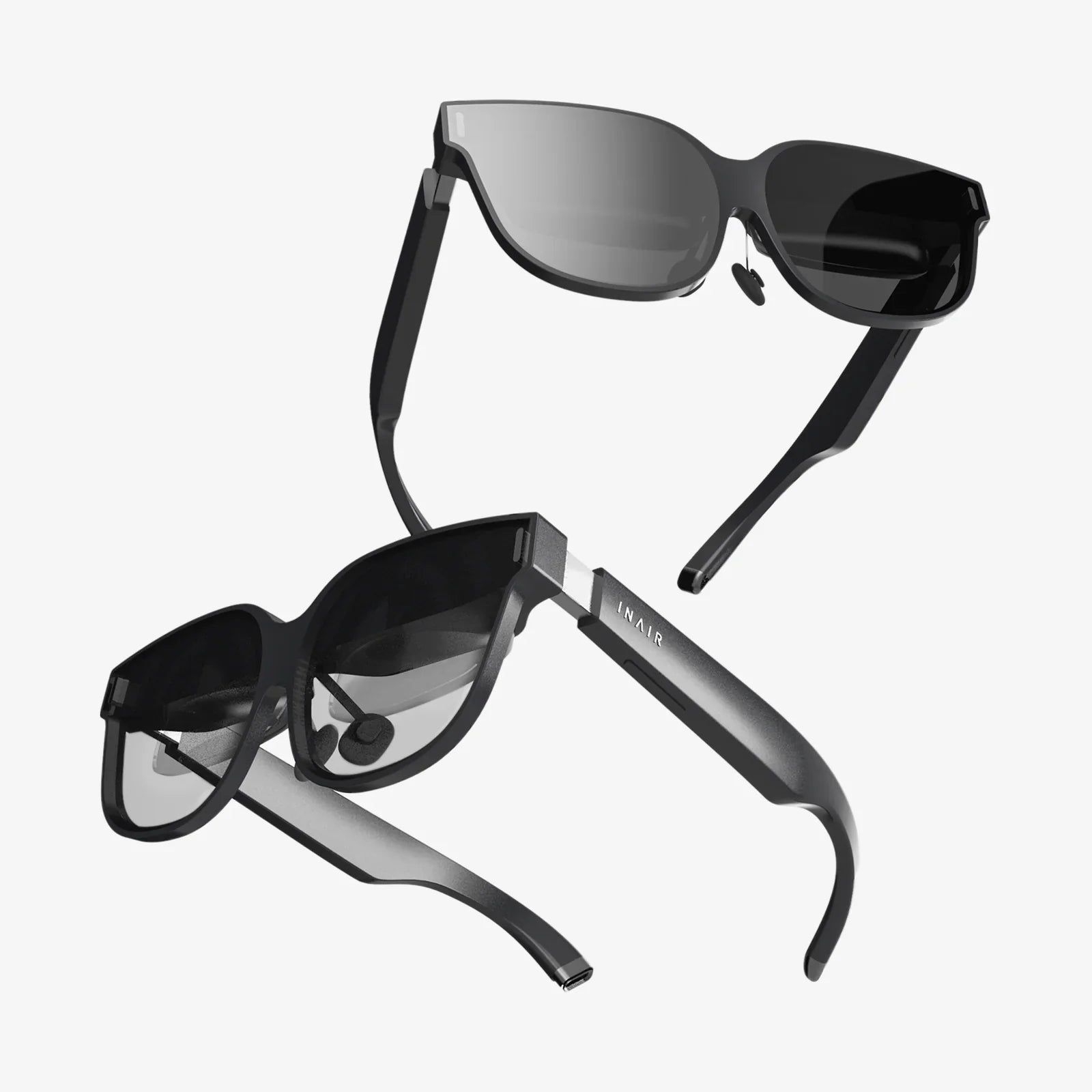
Running AR applications is notoriously taxing on smartphone batteries. Events must provide ample charging stations to prevent user frustration. For more immersive experiences, some organizers provide AR glasses or headsets, but this adds a layer of cost, logistics, and hygiene concerns that must be managed.
The Horizon: The Future of AR Event Experiences
We are standing on the precipice of even more radical change. The future of AR events will move beyond the screen in our hands. The widespread adoption of AR glasses will make the digital layer a persistent, hands-free part of our reality, eliminating the awkwardness of holding up a phone. Artificial Intelligence will power hyper-personalized experiences, where the AR content adapts in real-time to a user's interests, role, and even gaze direction. Haptic feedback technology will evolve to let users not just see digital objects but "feel" them, adding a powerful new sensory dimension. We will see the rise of the AR venue—physical spaces specifically designed from the ground up to interact with and enhance digital overlays, creating truly blended realities.
The line between attending an event and being inside it is blurring. Augmented reality is the brush that is redrawing this boundary, offering a new canvas for human connection that is limited only by our imagination. The events that embrace this not as a novelty, but as a core tenet of their design strategy, will be the ones that define the next era of shared human experience.
Share:
How to Make Virtual Reality Pictures: A Comprehensive Guide to Creating Immersive 360° Content
Difference Between Mixed Reality and Virtual Reality: A Comprehensive Guide to Our Digital Future