


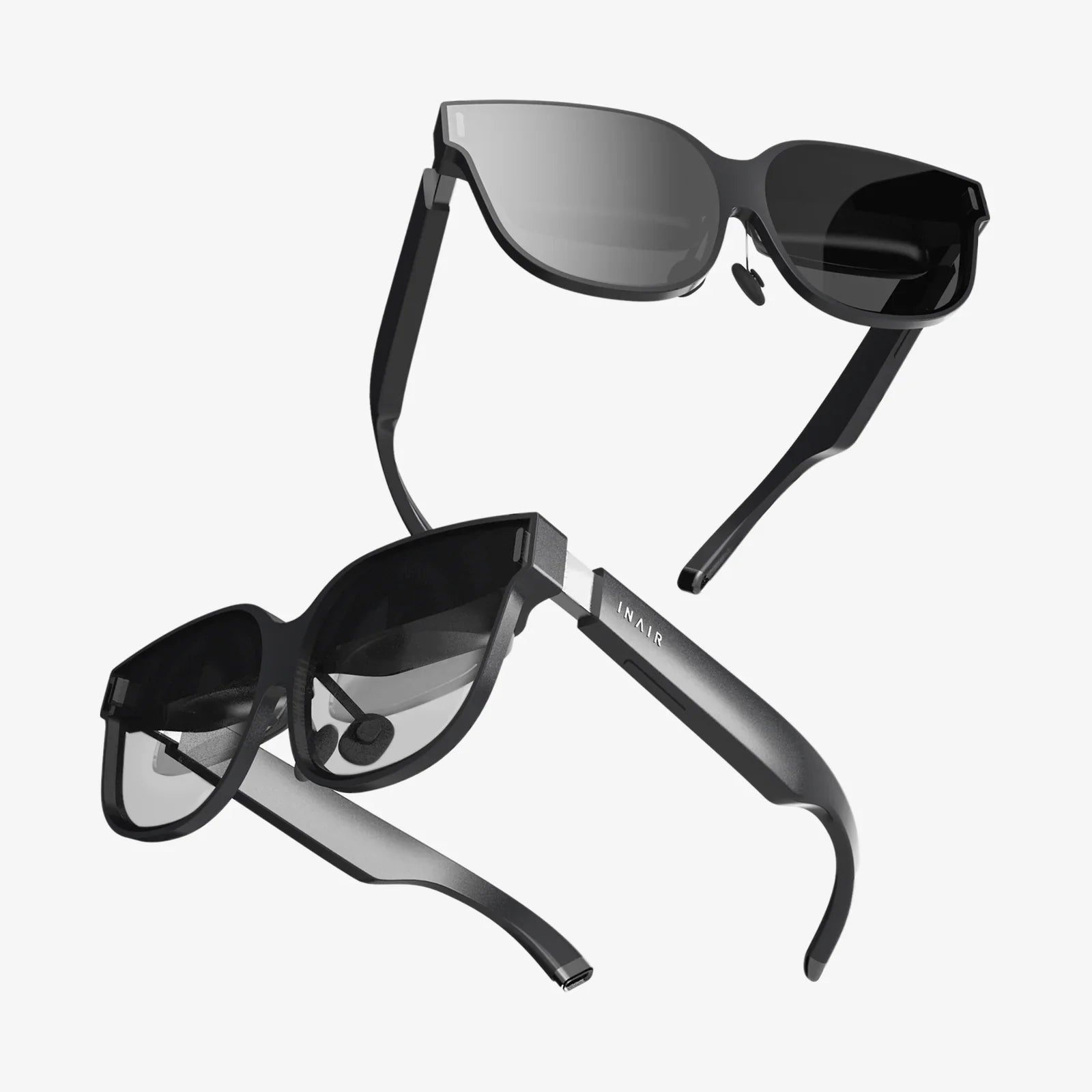
Imagine a world where information flows as freely as light, where digital ghosts inhabit your physical space, and your entire field of vision becomes a canvas for computation. This is not a distant science fiction fantasy; it is the imminent future promised by the evolving perspective, the Point of View (POV), offered by advanced augmented reality glasses. This shift in perspective is more than a technological upgrade; it is a fundamental recalibration of human perception, poised to revolutionize everything from how we work and learn to how we connect and create.
The Anatomy of a New Vision: Understanding AR POV
At its core, the POV of AR glasses is a symphony of hardware and software working in perfect harmony to superimpose a layer of digital information onto the user's view of the real world. Unlike virtual reality, which seeks to replace reality, AR aims to augment it, enriching the existing environment rather than constructing a new one from scratch.
The magic begins with a complex array of sensors. Cameras, accelerometers, gyroscopes, and depth sensors continuously scan the environment, building a real-time 3D map of the user's surroundings. This spatial understanding is the bedrock upon which the digital overlay is anchored. Simultaneously, micro-projectors or advanced waveguide displays beam images directly onto specialized lenses, which then reflect this light into the user's eyes. The result is a seamless blend where a virtual dragon appears to be sleeping on your actual couch, or a navigation arrow seems painted onto the street ahead.
This technological ballet creates a unique first-person perspective that is persistently contextual. The information presented is not generic; it is directly relevant to what the user is looking at and what they are doing at that precise moment. This context-aware POV is what separates AR from holding up a smartphone; the technology integrates with your life, not interrupts it.
Beyond Convenience: The Transformative Power of Contextual POV
The true power of the AR glasses POV lies in its ability to make the invisible, visible. It grants users a form of digital clairvoyance, revealing a hidden layer of data that permeates our physical world.
- Unlocking Environmental Data: Look at a restaurant, and see its health inspection rating and tonight's specials materialize next to the door. Glance at a complex piece of machinery, and animated repair instructions highlight the specific components you need to adjust. This POV turns every object and location into a hyperlink to a deeper well of knowledge.
- Revolutionizing Social Interaction: Imagine attending a conference and, as you look around the room, subtle name tags and professional affiliations appear above people's heads, based on your professional network and interests. Conversations can be instantly translated, with subtitles appearing in your field of view, erasing language barriers. This socially-aware POV can enhance human connection by providing just the right information to break the ice or deepen a discussion.
- Redefining Navigation and Spatial Awareness: The classic experience of staring down at a phone map becomes obsolete. With an AR POV, a glowing path is laid out on the sidewalk in front of you, guiding you turn-by-turn without ever needing to look away from your environment. This can extend indoors, helping you find a specific product in a vast supermarket or the right gate in a hectic airport, all while maintaining full situational awareness.
The Professional Paradigm Shift: AR POV in the Workplace
Perhaps the most immediate and profound impact of this technology will be felt in professional settings. The AR glasses POV is poised to become the ultimate hands-free, information-on-demand tool, creating a "superworker" equipped with unparalleled knowledge and capabilities.
For field technicians and engineers, complex schematics and instruction manuals can be overlaid directly onto the equipment they are servicing. A technician repairing a fiber-optic line could see the exact path of the cable underground, while a surgeon could have vital signs and 3D anatomical models visually aligned with a patient's body during a procedure. This reduces error, accelerates training, and dramatically improves efficiency.
In design and architecture, the POV allows for true immersive prototyping. Designers can walk through a full-scale 3D model of a building before a single brick is laid, making adjustments to the virtual structure with hand gestures. Factory floor layouts can be tested and optimized with digital replicas of machinery, saving immense time and resources. This ability to visualize and interact with digital creations in a physical context is a game-changer for creative and industrial processes alike.
The Challenges of a Mediated Reality: The Flip Side of the Lens
For all its potential, the vision of a world viewed through AR glasses is not without significant challenges and concerns. Mediating our perception of reality through a corporate-owned device raises profound questions.
The Privacy Paradox: The same cameras that map your room to place virtual furniture are also capable of constant, pervasive surveillance. The concept of a stranger—or a corporation—having access to a first-person video feed of your life is a privacy advocate's nightmare. Who owns the data collected by these devices? How is it stored and used? The potential for targeted advertising reaching literally into your field of view is both incredibly powerful and deeply unsettling. Establishing robust ethical frameworks and clear regulations will be paramount.
The Attention Economy's Final Frontier: If we think smartphones are distracting, AR glasses present the ultimate battleground for our attention. With notifications, information, and entertainment available at all times, directly in our line of sight, the temptation to disengage from the physical world could be overwhelming. The risk of digital addiction and a further erosion of present-moment awareness is a very real threat. The design of these interfaces must prioritize user well-being and the ability to easily disconnect and experience an unfiltered reality.
The Digital Divide 2.0: This new perspective could create a new societal schism between those who can afford this enhanced vision and those who cannot. Will a person without AR glasses be at a permanent disadvantage in the workplace or in education? Will we see a world where a privileged class has access to a layer of information and interaction that is completely invisible to others, creating a two-tiered reality?
The Future Lens: Where AR POV is Headed
The current generation of devices is merely a glimpse into the future. The trajectory points toward glasses that are indistinguishable from regular eyewear, with all-day battery life, and ever more convincing and immersive displays. The POV will become richer, with more advanced AI agents acting as personal guides within our field of view, proactively offering information and assistance.
We are moving toward a world of spatial computing, where the digital and physical are not just layered but truly integrated. The AR glasses POV is the primary interface for this new paradigm. It will evolve from being a tool we use to a layer of reality we inhabit. The line between accessing the internet and simply experiencing it as part of our world will blur into invisibility.
This evolution will demand new forms of content—spatial web pages that exist in location, interactive art installations that respond to your gaze, and shared multiplayer experiences that transform public parks into digital playgrounds. The very language of storytelling and communication will be rewritten for this first-person, context-aware medium.
The view through a pair of advanced AR glasses is more than a screen; it's a portal to a new way of being. It offers a vision of a world empowered by information, enriched by digital artistry, and connected in ways we are only beginning to imagine. Yet, it also challenges us to defend our privacy, protect our attention, and ensure this powerful perspective enhances our humanity rather than diminishes it. The ultimate success of this technology won't be measured by its computational power, but by its ability to make our reality not just augmented, but better.
Share:
Seamless Workflow Meaning: The Ultimate Guide to Unlocking Unprecedented Efficiency
Best 3D Video Player for Android: The Ultimate Guide to Immersive Mobile Viewing