


- by wangfred
AR Glasses Startup: The Next Frontier in Consumer Technology and Enterprise Solutions
- by wangfred
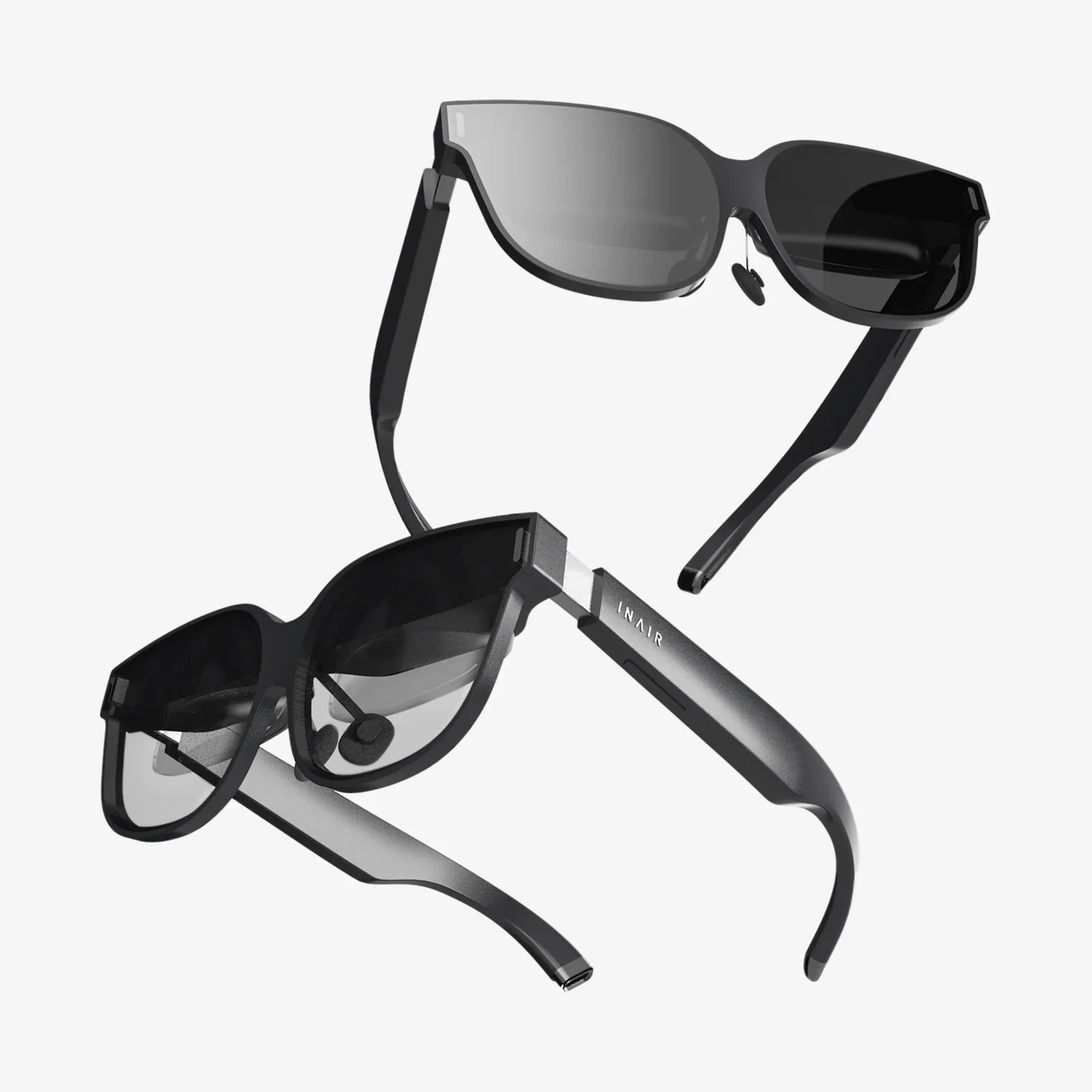
The world is on the cusp of a visual computing revolution, and a new generation of daring AR glasses startups is leading the charge, promising to fundamentally reshape how we interact with information, our environment, and each other. This isn't just another tech trend; it's a paradigm shift away from the isolated screens of smartphones and into a future where digital content is seamlessly, and magically, overlaid onto our physical reality. For entrepreneurs, investors, and tech enthusiasts, the space represents one of the most exciting and high-stakes frontiers in modern technology.
For any AR glasses startup, the path to a viable consumer or enterprise product is littered with profound engineering challenges. These are not merely smaller smartphones you wear on your face; they represent a complete rethinking of optics, processing, and human-computer interaction.
The primary battle is fought on three fronts: visual fidelity, form factor, and battery life. The holy grail is achieving a wide field of view with high resolution, bright displays, and accurate depth perception, all while fitting into a package that resembles fashionable eyewear rather than a bulky helmet. This requires groundbreaking innovations in waveguide technology, micro-LED or laser beam scanning displays, and holographic optics. Startups are experimenting with novel optical configurations that can project images directly onto the retina or use complex arrays of lenses and mirrors to bend light, all in an effort to create a convincing and immersive digital overlay.
Beyond vision, spatial understanding is critical. This is enabled by a sophisticated sensor suite often including:
Processing all this sensor data in real-time demands immense computational power, which traditionally means heat and large batteries. This is where the choice of processing architecture becomes crucial. Some startups are developing custom application-specific integrated circuits (ASICs) tailored specifically for the low-power, high-throughput demands of AR. Others are leveraging advanced edge computing, offloading heavier processing tasks to a companion device, like a smartphone or a dedicated compute puck, a necessary compromise until on-device processing catches up.
A sleek pair of glasses is meaningless without a compelling reason to wear them. The infamous failure of early consumer smart glasses served as a harsh lesson: technology in search of a problem is a recipe for disaster. Today's AR glasses startups are increasingly pragmatic, often launching with a tight focus on specific vertical markets where the value proposition is clear and immediate.
This is currently the most fertile ground for AR glasses startups. The return on investment for businesses is tangible and dramatic. Use cases include:
In these environments, the form factor is less of a constraint. Professionals are willing to wear slightly bulkier equipment if it significantly enhances their productivity and safety.
The consumer space remains the ultimate prize but also the most challenging nut to crack. The bar for consumer adoption is astronomically high: the glasses must be stylish, comfortable, affordable, and offer a daily utility that surpasses the smartphone. Startups are exploring several potential pathways:
However, significant barriers remain, including social acceptance, privacy concerns around always-on cameras, and the development of a content ecosystem to rival today's app stores.
The AR glasses landscape is a fascinating dichotomy between the agility of startups and the immense resources of major tech corporations. This dynamic creates both challenges and opportunities.
Startups excel at focused innovation. Unburdened by massive corporate bureaucracies and the need to serve a billion users on day one, they can take risks on novel technologies. They can pursue a “product-first” approach, targeting a specific, high-value use case with a bespoke solution. Their smaller size allows for rapid iteration based on early user feedback, often from pilot programs with enterprise clients. This agility is their greatest weapon, allowing them to navigate the technological landscape and find a viable beachhead market much faster than their larger competitors.
However, they face immense challenges that go far beyond engineering. The capital requirements for hardware development, manufacturing, and inventory are enormous. They must compete for talent with giants who can offer immense salaries and resources. Furthermore, building a brand and a sales channel from scratch is a monumental task, especially when selling complex B2B solutions.
This is why the startup journey in this space often follows a familiar trajectory: prove a core technology, secure venture capital funding based on a demonstrable prototype, land a few key enterprise customers to validate the business model, and then either scale independently or position themselves as an attractive acquisition target for a larger company looking to quickly acquire AR expertise and IP.
The immense capital intensity of developing AR hardware means that venture capital is not just helpful; it is oxygen. Investors are betting on a future that is still in the process of being built. They aren't just funding a product; they are funding research and development into core technologies that have applications far beyond a single pair of glasses.
Successful pitches to VCs in this space must articulate a deep understanding of the technical hurdles, a realistic and well-defined market entry strategy (often enterprise-first), and a compelling long-term vision for the platform. Investors look for teams with a rare blend of skills: world-class expertise in optics, hardware engineering, software development, and computer vision, coupled with strong business acumen.
The funding landscape has matured. Early investments were often based on little more than a concept video and a ambitious vision. Today, investors demand functional prototypes, patent portfolios, and clear technical differentiators. They are betting on teams that can not only invent new technology but also navigate the complex journey from lab to factory to the end-user's face.
The next five to ten years will be decisive for the AR glasses startup ecosystem. We are moving past the era of clunky prototypes and entering a phase of refined, purpose-built devices. Several key trends will define this evolution.
First, we will see a proliferation of form factors. There will not be a “one-size-fits-all” AR glasses. Instead, the market will segment into specialized devices: lightweight audio-focused smart glasses for notifications and music, task-specific enterprise glasses for field workers, and high-performance glasses for immersive entertainment and gaming. Startups that can own a specific segment will find success.
Second, the ecosystem around the hardware will become just as important as the hardware itself. The value of an AR platform lies in its operating system, its developer tools, and its app store. Startups may choose to build on existing platforms or attempt to create their own walled garden, a risky but potentially highly rewarding strategy.
Finally, the convergence of AI and AR will be a massive accelerant. Generative AI can create 3D assets and environments on the fly, while large language models can act as intelligent assistants within the AR experience, understanding and responding to complex voice commands and contextual cues. The most successful startups will be those that effectively integrate AI to create truly intelligent and context-aware experiences.
The dream of a seamless blend of the digital and physical worlds is closer than ever, not because of the work of a single giant corporation, but because of the collective ambition, innovation, and relentless drive of a global community of AR glasses startups. They are the ones tackling the hard problems, one breakthrough at a time, and in doing so, they are building the next major computing platform right before our eyes.
Imagine a world where your reality is your interface, where knowledge appears exactly when and where you need it, and where collaboration knows no physical bounds—this is the future being coded, designed, and assembled in unassuming offices and labs right now, and the companies pulling it off will redefine our relationship with technology forever.
Share:
Group Virtual Reality Experience: The Next Frontier in Human Connection
Eyeglasses With Adjustable Nose Pads: The Ultimate Guide to Unmatched Comfort and Fit