


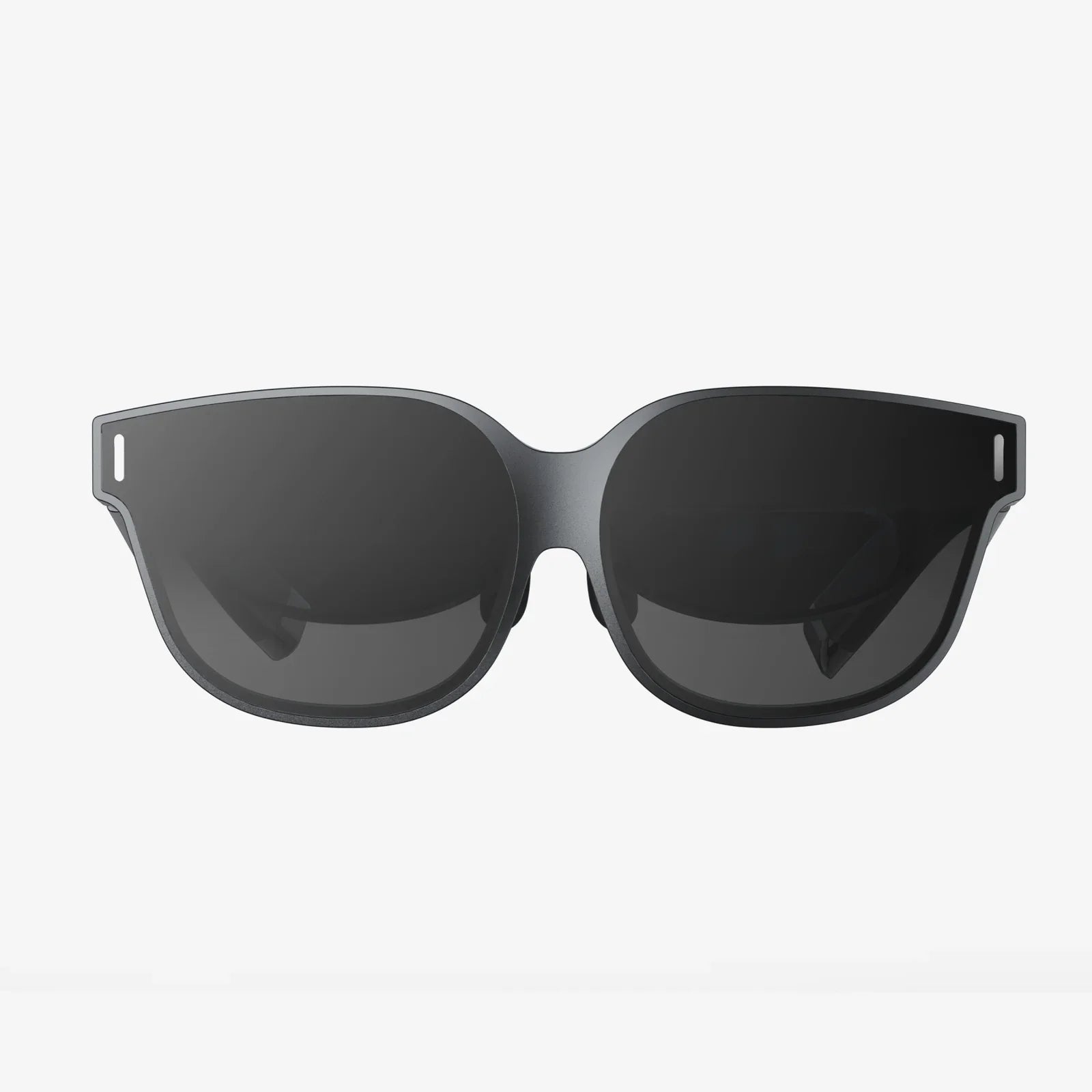
- by wangfred
Eyeglasses With Adjustable Nose Pads: The Ultimate Guide to Unmatched Comfort and Fit
- by wangfred
Imagine slipping on your favorite pair of glasses and feeling nothing but perfect, weightless comfort—no slipping, no pinching, no constant push-ups on the bridge of your nose. This isn't a far-off dream for those with the perfect facial symmetry; it's the daily reality for anyone who has discovered the transformative power of eyeglasses with adjustable nose pads. In a world where our eyewear is a critical tool for vision, expression, and protection, the quest for the ideal fit has long been the holy grail. For decades, wearers have suffered from frames that slide down during a conversation, dig in after a long day, or sit crookedly, distorting their world. But what if the solution wasn't about finding the one-in-a-million frame that matches your exact nose bridge, but about having eyewear that could be tailored to you, personally and precisely? This is the promise and the profound innovation behind adjustable nose pads, a feature that is quietly revolutionizing comfort and redefining our relationship with the glasses we wear every single day.
To truly appreciate the value of adjustability, one must first understand the problem it solves. The human nose is not a standard component; it is a complex structure of bone and cartilage with immense variation in width, height, bridge depth, and overall contour. From a high, narrow bridge to a low, wide one, the topography of everyone's nose is as unique as a fingerprint. Despite this, the majority of eyeglass frames are designed and manufactured with a fixed, unyielding nose pad system. These integrated nose pads, often molded from the same acetate or plastic as the frame, offer a one-size-fits-all approach that, in reality, fits very few perfectly.
The consequences of this mismatch are more than just a minor annoyance. Ill-fitting nose pads create a cascade of comfort and performance issues. The most common is slippage. When the glasses' center of gravity is not perfectly balanced on the nose, gravity takes over. This constant sliding disrupts clear vision, forcing the wearer to repeatedly push their glasses back into place—a subconscious habit many have developed over a lifetime. Beyond slippage, pressure points are a major concern. Fixed pads that rest on too small an area can exert excessive force, leading to deep, painful red marks and even headaches. For those who wear their glasses from sunrise to sunset, this persistent pressure can become a significant source of discomfort. Furthermore, an improper fit can affect the glasses' optical performance. If the lenses are not positioned at the precise distance and angle prescribed by an eyecare professional, visual acuity can be compromised. The frame may sit too close or too far from the eyes, or one lens may be higher than the other, subtly distorting the wearer's perception of the world.
Enter the elegant solution: eyeglasses with adjustable nose pads. This design shifts the paradigm from a static, rigid structure to a dynamic, customizable one. Instead of being fused to the frame, these nose pads are separate components, typically made from a soft, hypoallergenic silicone material, attached to metal arms known as pad arms. These pad arms are themselves connected to the frame front via a small, but critically important, component called a screw and a hinge-like mechanism.
This ingenious construction unlocks a trifecta of adjustments, allowing the wearer to fine-tune the fit with remarkable precision:
The magic lies in this combination of macro and micro adjustments. A skilled optician can manipulate these variables to achieve a truly bespoke fit, transforming a mass-produced object into a personalized medical and aesthetic device.
While the primary advantage of adjustable nose pads is undeniably comfort, the benefits extend far beyond simply feeling good on your face. A properly adjusted frame delivers a host of secondary perks that enhance the entire wearing experience.
For active individuals, a secure fit is non-negotiable. Whether you're bending down to tie your shoes, jogging to catch a bus, or simply being active in your daily life, glasses that stay firmly in place are essential. Adjustable nose pads anchor the frame to your face, preventing the bounce and shift that can lead to accidents or a loss of visual clarity at critical moments. This stability is also invaluable for those who wear progressive or bifocal lenses, as these designs require the eyes to look through very specific zones of the lens; any slippage can render them practically useless.
It may seem counterintuitive, but a better fit can lead to longer-lasting glasses. Frames that constantly slide down are often handled more frequently. This repeated adjustment—grabbing the frames by the lenses—can gradually loosen the temples, misalign the frame front, and smudge or scratch the lenses with oils from your fingers. A frame that fits correctly through adjustable nose pads requires minimal handling, reducing wear and tear and protecting your investment.
This technology is a powerful tool for inclusivity in eyewear. People with lower or flatter nasal bridges, a common feature across many ethnicities, have historically struggled with frames designed for higher bridges. Adjustable nose pads solve this problem elegantly, allowing the glasses to be configured to sit correctly and comfortably without the need for specialized, hard-to-find frame designs. It democratizes comfort, making a vast array of frame styles accessible and wearable for a much broader population.
Our faces are not static. Weight fluctuations, natural aging, and even changes in skin elasticity can subtly alter the fit of our glasses over time. A frame that was perfect two years ago might now slide down. With adjustable nose pads, this is no longer a terminal problem. Instead of being forced to purchase a new frame, a simple visit to an optician for a quick readjustment can restore the perfect fit, adapting your existing glasses to your evolving face.
While the adjustability is a feature for the user, the actual process of adjustment is best left in the hands of trained professionals. Opticians possess the specialized tools—like precise pliers with non-marring nylon tips—and the expert knowledge to make these delicate alterations without damaging the fragile metal components. They understand the intricate relationship between the nose pads, the temple arms, and the frame's alignment on the face. An amateur attempt to bend the pad arms can easily lead to misalignment, asymmetry, or even breakage, ultimately rendering the feature useless. The investment in a professional fitting is minimal compared to the cost of the glasses themselves and is absolutely essential for unlocking the full potential of this technology.
Of course, adjustable nose pads are not the only path to comfort. Other frame designs exist, each with their own merits. Low bridge fit frames are specifically engineered for flatter nasal bridges, offering a wider gap and a different angle. While excellent for their intended purpose, they lack the customizability of adjustable pads. Acetate frames with built-in nose pads can be heated and gently adjusted by a professional, but this is a one-time, permanent modification that doesn't allow for the ongoing fine-tuning that metal-and-silicone pads offer. The choice often comes down to personal preference, lifestyle, and the specific contours of one's face. However, for the ultimate in personalized, adaptable, and long-term comfort, the system of adjustable nose pads remains the gold standard.
From the boardroom to the yoga mat, from the first coffee of the morning to the last page of a book at night, our glasses are our constant companions. They should be a seamless extension of ourselves, not a source of distraction or discomfort. Eyeglasses with adjustable nose pads represent a fundamental shift in design philosophy—away from forcing conformity and towards celebrating individuality. They acknowledge that a perfect fit is not a luxury, but a necessity for clear vision and unparalleled comfort. It’s a small feature with an enormous impact, proving that the greatest innovations are often those that solve the simplest, most universal human problems. So the next time you find yourself habitually pushing up your slipping frames, remember: a world of perfect, personalized comfort is not only possible, it’s waiting for you at your local optician, one subtle, precise adjustment at a time.
Share:
AR Glasses Startup: The Next Frontier in Consumer Technology and Enterprise Solutions
Different Types of Virtual Reality Systems: A Deep Dive Into Immersive Technologies