


- by wangfred
AR Mass: The Invisible Revolution Reshaping Our Physical World
- by wangfred
Imagine a world where the digital and the physical are no longer separate realms, but a single, unified experience. Information doesn’t live behind a glass screen; it lives on your kitchen counter, overlays your city street, and annotates the machinery you’re repairing. This is the promise, and the emerging reality, of a technological shift so profound it demands a new term to describe its scale and impact: AR Mass. It’s not just about wearing sleek glasses; it’s about the critical mass of augmented reality integration into the very fabric of our daily lives, an invisible revolution that is fundamentally reshaping our relationship with the world around us.
The concept of AR Mass moves beyond the simplistic definition of Augmented Reality as a mere tool or application. It describes a state of technological and cultural saturation where AR ceases to be a novelty and becomes a ubiquitous, indispensable utility, much like electricity or the internet. It’s the point at which the digital layer woven over our physical environment is so rich, responsive, and seamlessly integrated that we interact with it as naturally as we do with the physical world itself.
This paradigm is built on three core pillars that distinguish it from earlier, more primitive forms of AR:
The transition to an AR Mass state is not driven by a single invention but by the convergence of several accelerating technologies, each reaching a maturity that makes this seamless fusion possible.
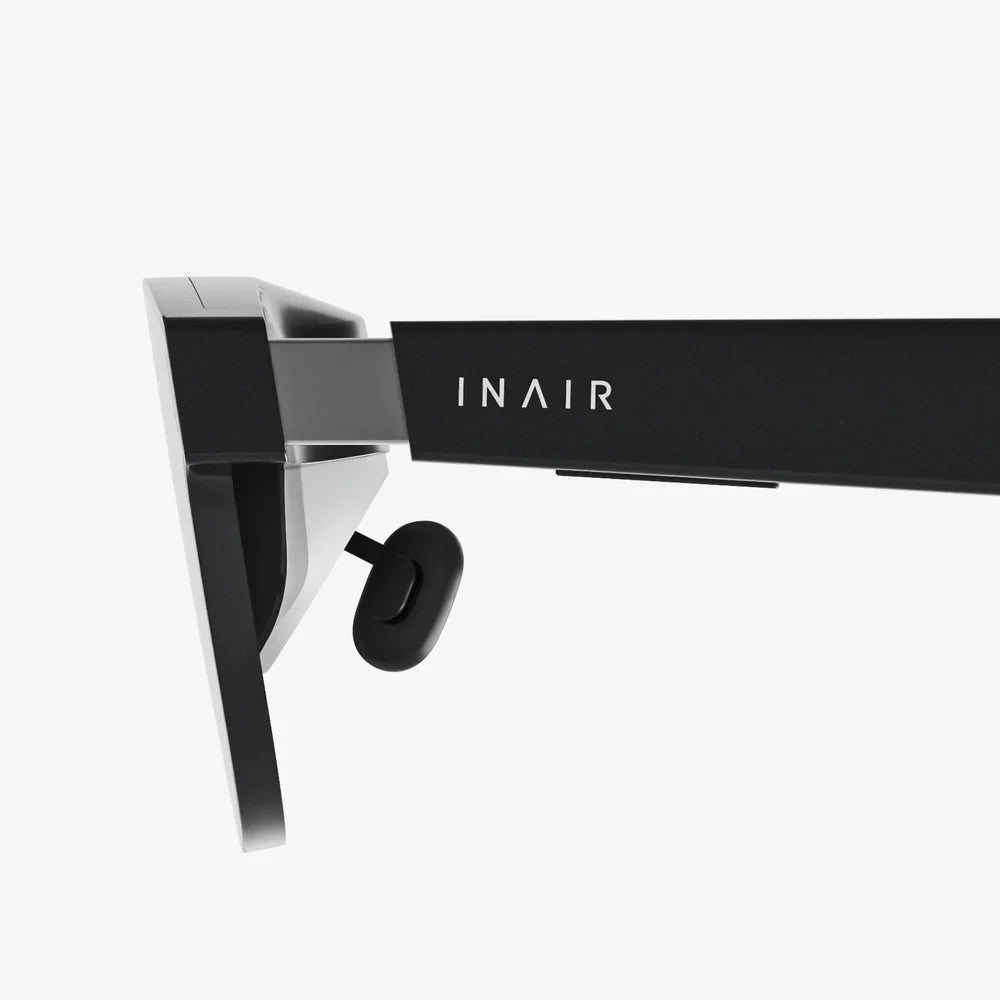
The journey begins with the device itself. The smartphones in our pockets were the first to popularize AR, using their cameras and screens as a window into an augmented world. However, this "magic window" paradigm is inherently limiting, requiring users to divert their attention to a small screen held in their hand. The true enabler of AR Mass is the shift to hands-free, head-worn displays—smart glasses. These devices are undergoing a rapid evolution, becoming lighter, more powerful, and socially acceptable. They project information directly onto the user’s retina or use waveguides to blend digital light with the natural light entering the eye. This optical engineering, combined with powerful on-device processors, vast arrays of miniature cameras for tracking, and all-day battery life, is creating the always-available portal to the augmented world.
The most visually impressive AR experiences are often the most computationally intensive. Rendering complex 3D models, understanding environments in real-time, and running powerful AI algorithms cannot be handled by a wearable device alone. This is where the network becomes the computer. The high bandwidth and ultra-low latency of advanced cellular networks act as a tether to immense cloud and edge computing resources. Complex processing can be offloaded instantaneously to nearby servers, with the results streamed back to the device without perceptible delay. This symbiotic relationship between the wearable and the cloud is the invisible engine that will power the rich, persistent digital world of AR Mass, ensuring it is accessible and responsive for everyone, everywhere.
If hardware is the body and the network is the circulatory system, then the AR Cloud is the shared brain and nervous system. This is a critical, often overlooked component. The AR Cloud is a persistent, 3D digital twin of the real world, continuously updated by data from millions of devices. It’s what allows your digital annotations to remain precisely on a specific wall for others to see days later. It ensures that a virtual signpost you place at a street corner appears in the exact same spot for every other user who looks at it. This shared spatial map is the foundational layer upon which all persistent, multi-user AR experiences are built, creating a common frame of reference for the digital layer to inhabit.
While consumer applications like gaming and social filters capture headlines, the most immediate and profound impact of AR Mass is happening within enterprise and industrial sectors, where it is solving real-world problems and driving unprecedented efficiency.
On the factory floor and in the field, AR Mass is a game-changer. Technicians wearing AR glasses can see step-by-step repair instructions overlaid directly on the complex machinery they are servicing, highlighting specific components, displaying torque settings, and showing animated assembly sequences. This reduces errors, slashes training time, and allows less experienced workers to perform complex tasks with expert-level guidance. Remote experts can see what the on-site technician sees and annotate their field of view in real-time, drawing circles and arrows to provide guidance from thousands of miles away, effectively teleporting their expertise. This eliminates travel time and costs while ensuring problems are resolved quickly.
The design process is being transformed from abstract blueprints to immersive experiences. Architects and clients can walk through a full-scale, photorealistic holographic model of a building before a single foundation is poured, experiencing the space, light, and flow in a way no screen can convey. On construction sites, workers can see the underlying structural plans, electrical conduits, and plumbing pipes directly through the walls and floors, preventing costly errors and rework. This "X-ray vision" capability, powered by precise spatial mapping and persistent AR content, is making construction safer, faster, and more accurate.
In healthcare, AR Mass is saving lives and improving outcomes. Surgeons can have vital patient data, such as heart rate or blood pressure, displayed in their periphery during procedures, avoiding the need to look away from the operating field. More advanced systems can project 3D reconstructions of a patient’s anatomy from CT or MRI scans directly onto their body, creating a personalized navigation system for surgery. For medical students, the ability to interact with detailed, life-size holograms of the human body offers an unparalleled learning tool, moving far beyond textbooks and cadavers.
As with any transformative technology, the rise of AR Mass brings a host of complex questions that society must grapple with long before the technology becomes ubiquitous.
If our devices are constantly scanning and interpreting the world, the potential for surveillance is unprecedented. The cameras on AR glasses, always on and always looking, could become the most pervasive surveillance network ever conceived. This raises critical questions: Who has access to this data? How is it stored and used? If you walk down a street, could your device inadvertently capture and analyze the faces of strangers, linking them to their online profiles? The concept of privacy in public space will need to be completely redefined, requiring robust new regulations and ethical frameworks that prioritize individual rights without stifling innovation.
There is a genuine risk that AR Mass could create a new, stark digital divide. Those who can afford the latest AR wearables will have access to a layer of information, convenience, and connection that is invisible to others. They might see translated signs, personalized historical tours, and navigational cues, while those without are left with an un-annotated reality. This could create a two-tiered experience of the world, exacerbating social and economic inequalities. Ensuring equitable access and preventing this from becoming a tool of exclusion is a significant challenge.
On a deeper level, AR Mass challenges our very perception of reality and attention. If we are constantly surrounded by a bespoke stream of digital information, will we become less present in our physical surroundings? Will we see the world through a filter of our own preferences, creating personalized realities that limit serendipitous discovery and shared common experiences? The technology offers the promise of enhancing our reality, but it also holds the potential to mediate and diminish it, replacing genuine human connection and unfiltered experience with a curated digital spectacle.
The full realization of AR Mass is still on the horizon, but its foundations are being poured today. The next five to ten years will be defined by the refinement of the core technologies—smaller form factors, longer battery life, more intuitive interfaces, and the widespread deployment of the AR Cloud. We will see a shift from single-user, app-specific experiences to persistent, multi-user, and cross-platform digital environments that exist as a permanent layer on top of our world.
The killer application for AR Mass may not be a single app, but rather a utility—a new way of interfacing with the infinite knowledge and connectivity of the internet that feels as natural and intuitive as looking around the room. It will be the seamless integration of digital tools into our physical workflows, making complex tasks simple and inaccessible knowledge immediately available. The goal is not to escape reality, but to make it richer, safer, more efficient, and more understandable.
This journey requires a collaborative effort. Technologists must build with privacy and ethics as a core feature, not an afterthought. Policymakers must craft intelligent regulations that protect citizens without hindering progress. And as users, we must consciously shape how we adopt this technology, demanding experiences that enhance our humanity rather than detract from it. The future of our physical world is at a crossroads, and the path we choose to augment it will define generations to come. The revolution is not coming; it is already here, quietly weaving itself into the fabric of everything we see and do, waiting for its moment of critical mass.