


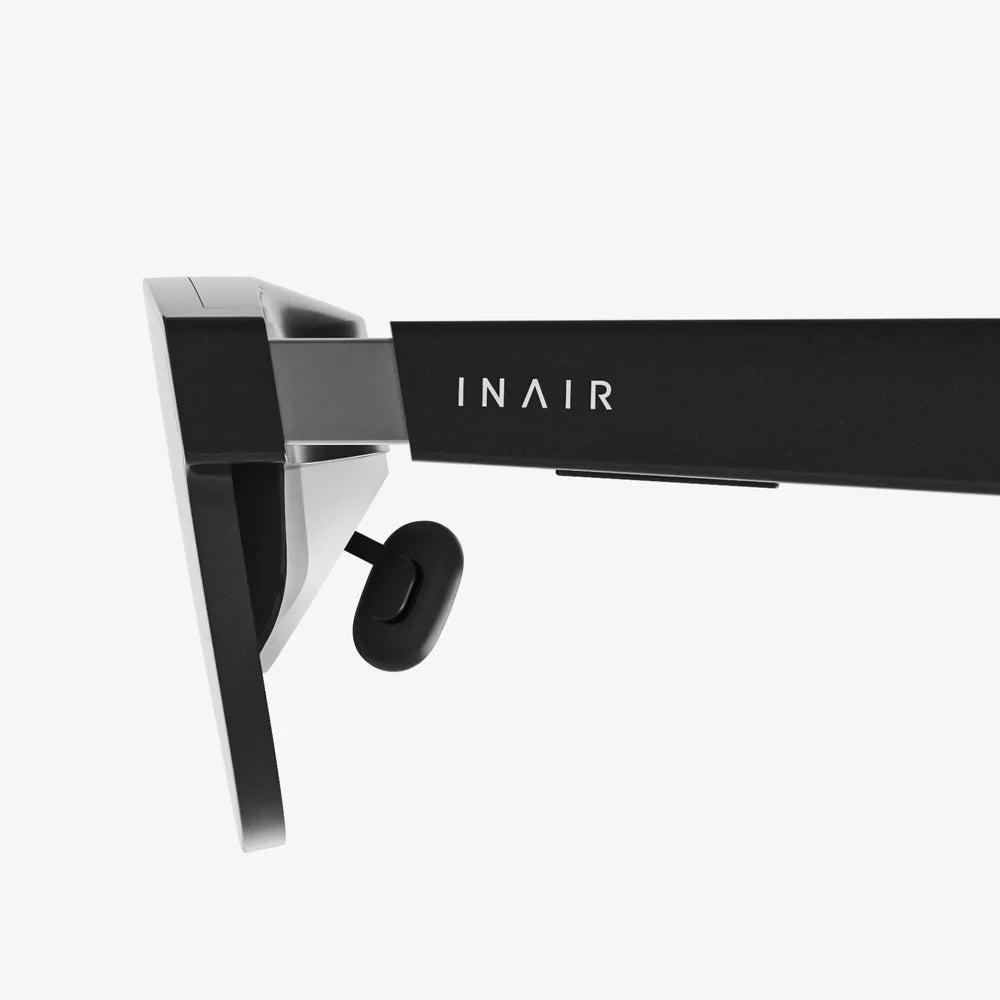
Imagine pointing your phone at your living room and instantly seeing a new sofa sitting right there in the empty space, perfectly scaled and colored, as if it had always belonged. Or trying on a pair of sunglasses without ever stepping into a store, seeing them rest on your nose and frame your face with uncanny accuracy. This is no longer the stuff of science fiction; it is the powerful, present-day reality of the AR sample. This transformative technology is quietly dismantling the barriers between the digital and physical worlds, creating a new paradigm for how we interact with products, make purchasing decisions, and experience brands. It’s a revolution happening right before our eyes, literally, and it’s changing everything we know about commerce and experience.
Demystifying the Magic: What Exactly is an AR Sample?
At its core, an AR sample is a digital, interactive representation of a physical product, rendered and overlaid onto the user's real-world environment in real-time through a device's camera. Unlike a simple 3D model viewed on a screen, an AR sample is contextual. It understands its surroundings—the scale of your room, the lighting on your face, the texture of your wall—and integrates the virtual object seamlessly within that space. This creates a powerful sense of presence and tangibility that a static image or even a video could never achieve.
The technology leverages a combination of sophisticated components:
- Computer Vision: The software intelligently maps the physical environment, identifying flat surfaces like floors and tables, understanding depth, and tracking the device's movement.
- Simultaneous Localization and Mapping (SLAM): This is the engine that allows the digital object to "lock" into place in the real world. It continuously updates the map of the environment and the device's position within it, ensuring the virtual sofa doesn't drift away when you walk around it.
- Powerful Rendering: High-fidelity graphics and lighting engines simulate how light would naturally interact with the object's materials—whether it's the gloss of ceramic, the weave of fabric, or the reflection on a glass screen—making the AR sample appear photorealistic.
This technological symphony allows users to not just see a product, but to experience it. They can walk around a virtual piece of furniture, open the doors on a digital cabinet, or see how the color of a new paint sample changes from morning to afternoon sun.
Beyond the Novelty: The Tangible Benefits of Virtual Try-Before-You-Buy
The application of AR samples extends far beyond a clever marketing gimmick. It solves fundamental, long-standing problems for both consumers and businesses, creating value across the entire customer journey.
For the Consumer: Confidence and Convenience Redefined
The most immediate benefit for the consumer is a massive reduction in purchase anxiety. The question "Will this look good in my home?" or "Will this fit me?" has been a primary driver of hesitation and cart abandonment in e-commerce for decades. AR samples provide a definitive answer. This leads to:
- Radically Increased Confidence: Shoppers can make decisions based on experiential data rather than guesswork. They gain a near-tangible understanding of the product's scale, design, and suitability for their specific needs.
- The Demise of "Returns Regret": A significant portion of online returns, particularly for apparel, home decor, and furniture, occurs because the product didn't match expectations. By allowing users to virtually "test" products, AR sampling drastically reduces return rates, saving consumers the hassle and retailers the cost.
- Hyper-Personalized Discovery: AR sampling transforms shopping from a passive browse into an active, engaging experience. Users can quickly cycle through dozens of paint colors on their wall or try on numerous eyewear frames in minutes, something that would be incredibly time-consuming and physically taxing in a traditional setting.
For the Business: Building Trust and Boosting the Bottom Line
For businesses, integrating AR samples is a strategic investment that pays dividends across multiple metrics.
- Supercharged Conversion Rates: When consumers are confident, they buy. Numerous studies have shown that product pages featuring AR samples experience a significant lift in conversion rates, often by double-digit percentages. The ability to experience the product bridges the final gap in the online sales funnel.
- Decreased Return Rates: As mentioned, more informed purchases lead to fewer disappointed customers and fewer products being shipped back and forth. This directly improves profitability by slashing the immense costs associated with reverse logistics.
- Enhanced Brand Perception and Engagement: Offering an AR sample experience positions a brand as innovative, customer-centric, and forward-thinking. It creates a memorable, positive interaction that fosters brand loyalty. The "wow" factor of the technology also increases session duration and encourages social sharing.
- Valuable Data Insights: The interactions with AR samples generate a goldmine of data. Businesses can see which products are "tried on" most, which colors are most popular in different regions, and how long users engage with items. These insights are invaluable for inventory planning, product development, and marketing strategy.
Transforming Industries: From Furniture to Fashion and Beyond
The ripple effect of AR sampling is being felt across a wide spectrum of sectors, each finding unique and powerful applications for the technology.
Home Decor and Furniture: Seeing is Believing
This is perhaps the most natural and widely adopted use case. The uncertainty of buying large, expensive furniture online has always been a major hurdle. AR samples allow users to place a virtual armchair, rug, or bookcase in their exact space. They can verify dimensions, assess style compatibility, and even see how different lighting conditions affect the look of materials like wood grain or metallic finishes. This has democratized interior design, empowering consumers to visualize and execute their ideas with precision.
Fashion and Apparel: The Fitting Room in Your Pocket
The fashion industry has embraced AR samples for virtual try-ons. Users can see how sunglasses, watches, makeup, and even clothing items look on their own bodies. Advanced solutions use augmented reality to map the user's figure accurately, allowing for a surprisingly realistic preview of fit and drape. This technology is breaking down barriers for online apparel shopping and is particularly powerful for accessories and beauty products.
Automotive and Electronics: Experiencing High-Tech Before Purchase
Car manufacturers are using AR samples
Groceries and CPG: A Taste of What's to Come
Even consumer packaged goods are getting in on the action. While you can't literally taste a virtual product, AR samples can be used for engaging storytelling. Pointing a phone at a product on a supermarket shelf might trigger an AR experience showing its ingredients, its origin story, or recipe ideas. It adds a layer of digital engagement to the physical retail experience.
The Road Ahead: The Future of Experiential Commerce
The evolution of AR sampling is far from complete. As underlying technologies like 5G, edge computing, and wearable devices like AR glasses mature, the experiences will become even more seamless, immersive, and integrated into our daily lives.
We are moving towards a future where your AR glasses will recognize products in the world around you and instantly offer to let you sample alternatives. Imagine looking at your friend's sofa and being able to instantly see it in a different color from your favorite retailer. Or walking through a home improvement store and using an AR sample to project a new sink and countertop onto the display model in front of you.
Furthermore, the convergence of AR sampling with other technologies like artificial intelligence will lead to hyper-personalized recommendations. The AI could analyze your space and suggest products that not only fit physically but also complement your existing decor style. It could even learn your preferences from your interactions with different AR samples over time.
The line between browsing online and being in a store will continue to blur, eventually disappearing altogether. The store will come to you, rendered perfectly within your environment. This is the ultimate promise of the AR sample: a world where our digital and physical realities are not separate realms, but a single, enhanced continuum where we can make better, more informed, and more confident decisions about the products we bring into our lives. The ability to truly try before you buy, from anywhere in the world, is not just an upgrade to online shopping—it's the foundation for the next era of retail.
The next time you hesitate over an online purchase, wondering about size, fit, or color, remember the power now sitting in your pocket. The ability to bridge the gap between imagination and reality is no longer a fantasy. It’s an invitation to experience the future of shopping, to make more confident choices, and to bring the world’s showroom directly into your home. The era of guesswork is over; the age of experiential, augmented certainty has just begun.
Share:
What Does AR Coating Look Like on Glasses? A Guide to the Invisible Marvel
Virtual Workspaces for Personal Use: The Ultimate Guide to Your Digital Sanctuary