


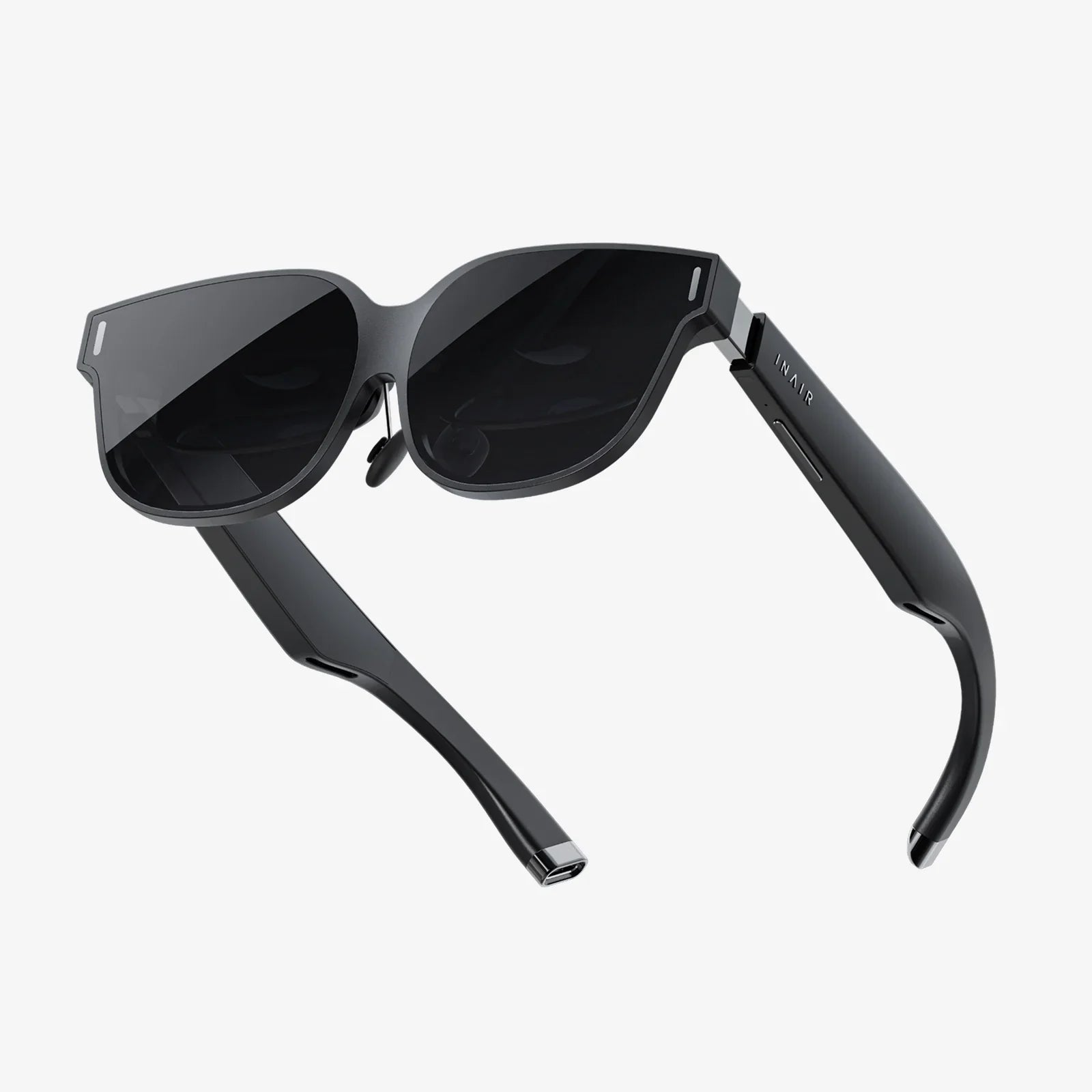
Imagine standing in your living room, scrolling through a digital catalog, and with a simple tap, a stunning, intricately detailed garment materializes in front of you—not as a flat image, but as a photorealistic, three-dimensional piece you can walk around, inspect from every angle, and even ‘try on’ your own reflection. This is no longer the stuff of science fiction; it is the present and future of fashion, powered by the seismic force of Augmented Reality. AR technology fashion is not merely a fleeting trend or a marketing gimmick; it is a fundamental paradigm shift, a digital revolution that is dissolving the physical and conceptual barriers that have defined the industry for centuries, promising a future where our expression is limitless, our consumption is conscious, and our connection to what we wear is deeper and more personal than ever before.
The Genesis of a New Reality: Beyond the Dressing Room
The fusion of AR and fashion began not on the runways of Paris or Milan, but in the pockets of consumers. Early applications were simple: overlaying a static image of a pair of sunglasses or a hat onto a user's camera feed. However, the technology rapidly evolved, driven by advancements in smartphone processing power, computer vision, and 3D rendering. The catalyst was a collective industry pain point: the inherent limitations of online shopping. The inability to feel fabric, assess fit, or see how a color looks against one's skin tone resulted in astronomical return rates and consumer frustration. AR emerged as the most elegant solution, offering a ‘try-before-you-buy’ experience from the comfort of home.
This initial utility has since exploded into a multifaceted toolset. Today, sophisticated AR platforms can map the human body with millimeter accuracy, accounting for movement, fabric drape, and even how light interacts with different materials. This allows for hyper-realistic virtual try-ons for everything from jeans and jackets to makeup and luxury watches. The technology has moved beyond simple novelty to become a core component of the retail strategy for forward-thinking brands, fundamentally enhancing customer confidence and reducing the environmental cost associated with returns.
The Virtual Try-On: Revolutionizing Retail and Redefining Confidence
At the heart of the AR fashion revolution is the virtual fitting room. This technology leverages a device's camera to track a user's body points—shoulders, hips, waist, etc.—and seamlessly superimposes a 3D model of the garment onto their live image. The implications are profound.
- Hyper-Personalization: Users can instantly cycle through an entire collection in seconds, experimenting with sizes, colors, and styles they might never have risked ordering before. This fosters a playful, experimental relationship with fashion, encouraging bolder choices and greater sartorial discovery.
- Democratizing Fit and Accessibility: For individuals who have historically struggled with inconsistent sizing or limited options in physical stores, AR try-ons are a game-changer. It makes fashion more inclusive, allowing anyone, anywhere, to access and visualize a global inventory of clothing on their own body.
- The Sustainability Angle: The fashion industry is one of the world's largest polluters, and a significant portion of its carbon footprint comes from the logistics of shipping and returning online orders. By providing a more accurate representation of a product, AR empowers consumers to make better purchasing decisions the first time, dramatically cutting down on waste and emissions.
The try-on experience is also expanding beyond the individual. Social AR allows users to share their virtual outfits with friends in real-time, soliciting opinions and turning shopping into a collaborative, social event, even when participants are miles apart.
Digital-Only Fashion: The Rise of the Phygital Closet
Perhaps the most radical concept birthed from AR technology fashion is the emergence of digital-only clothing. These are garments that exist purely as data—beautifully designed, meticulously textured 3D objects meant to be ‘worn’ exclusively in digital spaces: on social media, in virtual meetings, or within online games and metaverse platforms.
This may seem absurd to some, but it addresses a critical modern desire: the need for newness and unique self-expression without the physical and environmental consequences. Consumers, particularly younger generations, are investing in digital assets to curate their online personas. Why produce a physical sequined gown that will be worn once for a Instagram photo when you can purchase a stunning digital version for a fraction of the price and environmental cost, and achieve the same, if not more visually striking, result?
This creates a new ‘phygital’ closet—a hybrid wardrobe containing both physical items for daily life and digital items for our digital lives. It decouples fashion from its physical constraints, allowing for impossible designs: garments made of light, animated textures, or fabrics that change color based on virtual surroundings. Designers are granted unprecedented creative freedom, unbounded by the laws of physics or the limitations of material production.
The Augmented Runway: Storytelling in a New Dimension
The impact of AR is felt just as strongly at the high-fashion end of the spectrum. Designers and fashion houses are leveraging the technology to transform the traditional runway show from a passive viewing experience into an immersive narrative event.
Through dedicated apps, attendees—whether physically present or watching remotely—can point their devices at the runway or a specific trigger image to unlock exclusive content. A model's simple outfit can transform on screen, revealing hidden patterns, animated textures, or the intricate details of the construction process. A minimalist show space can be augmented with fantastical digital sets, from swirling nebulas to lush, overgrown forests, placing the collection within a fully realized creative universe.
This deepens the storytelling, allowing designers to convey not just the aesthetic of a collection, but its ethos, inspiration, and soul. It turns a fashion show into an interactive magazine, a play, and an art installation all at once, creating a memorable, shareable moment that generates immense buzz and elevates brand perception far beyond what a standard show could achieve.
Navigating the Uncanny Valley: Challenges and Considerations
For all its promise, the path of AR technology fashion is not without its obstacles. The primary technical hurdle remains the ‘uncanny valley’—the point where a digital representation is almost, but not quite, perfectly realistic, creating a sense of unease in the viewer. Achieving true photorealism, especially with complex fabrics like silk, chiffon, or knitwear, and accurately simulating how they move and interact with the body, requires immense computational power and sophisticated physics engines.
Furthermore, the industry must grapple with significant questions of privacy and data security. Precise body scanning requires detailed biometric data. How is this information stored, used, and protected? Robust ethical frameworks and transparent data policies will be non-negotiable for brands that wish to build and maintain consumer trust.
There is also the risk of a growing digital divide. As fashion becomes increasingly digitized, a disparity could emerge between those who have the latest devices and high-speed internet to participate in these experiences and those who do not. The industry must strive to ensure that the benefits of AR-enhanced fashion are accessible, not exclusionary.
The Future Stitched in Code: What Lies Ahead
The trajectory of AR technology fashion points toward a future that is even more integrated and immersive. We are moving toward wearable AR devices—smart glasses and eventually contact lenses—that will make the technology a seamless part of our visual field. Your mirror at home could become an AR portal, allowing you to browse and try on outfits while getting ready. Physical stores will be transformed into interactive hubs where pointing your phone at a display could reveal product information, styling suggestions, and available inventory.
Looking further ahead, the convergence of AR with other technologies like Artificial Intelligence and the blockchain will unlock new possibilities. AI could act as a hyper-personal stylist, learning your preferences and body type to recommend and tailor virtual garments specifically for you. Blockchain and NFTs could provide authentication and ownership for unique digital fashion pieces, creating a thriving new asset class and economy for digital wearables.
The very definition of a ‘garment’ is expanding. We are entering an era where clothing is not just something you own, but an experience you access; not just a physical object, but a dynamic data stream that can change, adapt, and interact with the world around you. The thread connecting the physical and the digital is being woven by augmented reality, and it is creating a tapestry of limitless creative and commercial potential.
The next time you look into your closet, don't just see the clothes hanging there. See the empty space as a canvas. See your smartphone not just as a communication device, but as a portal to a boundless universe of style. The revolution is not coming; it is already here, waiting for you to tap in and try it on. The barrier between the tangible and the virtual is vanishing, and the most exciting pieces in your future wardrobe may not be made of fabric and thread, but of light and code, offering a form of self-expression so limitless it can only be contained by the bounds of your own imagination.
Share:
Human Computer Interaction Products Are Redefining Our Digital Existence
Security Advantages and Disadvantages of Virtual Offices: A Comprehensive Analysis for the Modern Business