


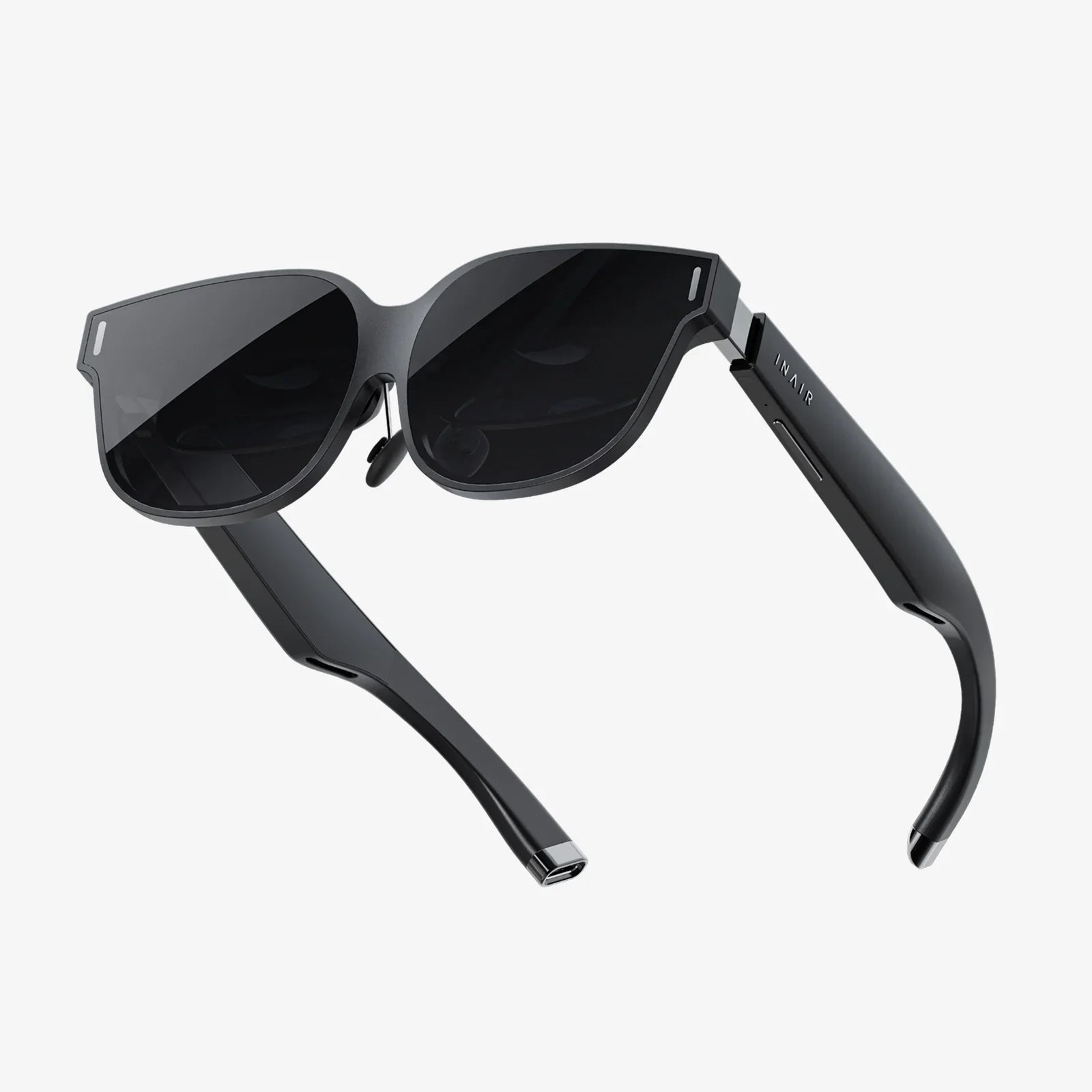
- by wangfred
AR Virtual Object Interactions: Redefining Our Digital and Physical Realms
- by wangfred
Imagine reaching out and turning a digital blueprint with a flick of your wrist, watching a virtual engine assembly guide hover over your actual workbench, or playing a board game where the pieces are fantastical creatures dancing on your coffee table. This is no longer the stuff of science fiction. The evolution of Augmented Reality (AR) has moved beyond simple visual overlays into a rich, dynamic era defined by one critical element: AR virtual object interactions. This is the magic that breathes life into pixels, granting them presence, physics, and agency within our world, fundamentally altering how we compute, create, learn, and connect.
Early AR was primarily a visual spectacle—a layer of information pinned to a location. You could see where a restaurant was, but you couldn't open its virtual menu and flip through the pages. The paradigm has now decisively shifted. The core of modern AR is interaction. It’s the difference between watching a video of a concert and being on stage with the band. This shift is powered by a confluence of technological advancements that have given AR systems a sophisticated understanding of our environment and ourselves.
Enabling a user to convincingly grab, push, spin, or throw a virtual object requires a symphony of technologies working in perfect harmony.
Before any interaction can occur, the AR system must construct a detailed digital twin of the user's physical surroundings. This is achieved through a combination of:
With the stage set, the user needs a way to direct the actors (the virtual objects). The input methods have evolved to become remarkably intuitive.
An interaction feels "real" not because of how it looks, but because of how it behaves. This is the job of the physics engine—a software system that simulates the laws of physics for virtual objects. It calculates:
The ultimate goal of these interactions is to create a sense of presence—the user's subconscious acceptance that the virtual object is truly there. This is a psychological achievement as much as a technical one. Key factors include:
The power of interactive AR is not confined to entertainment; it is reshaping professional fields.
Imagine medical students interacting with a life-sized, beating holographic heart, able to peel back layers, see blood flow, and simulate procedures without risk. Mechanics can practice complex repairs on virtual machinery overlaid onto a physical chassis, receiving guidance and warnings in real-time. This hands-on, interactive learning dramatically improves comprehension and retention.
Designers and engineers can collaborate around a full-scale 3D model of a new product prototype. They can grab individual components, pull them apart to inspect tolerances, change materials and colors with a voice command, and see how the assembly fits together—all before a single physical part is manufactured. This saves immense time and resources.
Furniture shoppers can place a virtual sofa in their living room, walk around it, see if it fits the space, and even change its fabric. Watch enthusiasts can try on dozens of virtual watches, examining the details from every angle. This level of interaction drastically reduces purchase uncertainty and returns.
A field technician stuck on a repair can share their AR view with an expert miles away. The expert can then draw arrows and diagrams directly onto the technician's reality, and even anchor a virtual 3D manual to the specific machine part. They are not just talking about the problem; they are interacting with the same virtual objects within the shared physical space.
We are on the cusp of even more profound advancements. The future of AR interaction points towards the complete erosion of the interface.
This future is not without its hurdles. Significant challenges around privacy (constant environmental scanning), data security, digital litter (who manages the virtual objects left behind?), and creating universally intuitive interaction paradigms remain. Furthermore, the "social etiquette" of interacting with a world only we can see is yet to be written.
The journey of AR is a journey from observation to participation. It’s about moving beyond a screen to a world where our digital and physical realities are not just adjacent, but intertwined and interactive. The ability to reach out and manipulate the digital with the same ease as the physical is not merely a new feature; it is a fundamental shift in the human-computer relationship. This is the promise of true AR virtual object interactions—a promise that is already beginning to reshape our reality, one gesture at a time, and inviting us all to become active participants in a newly blended world.