


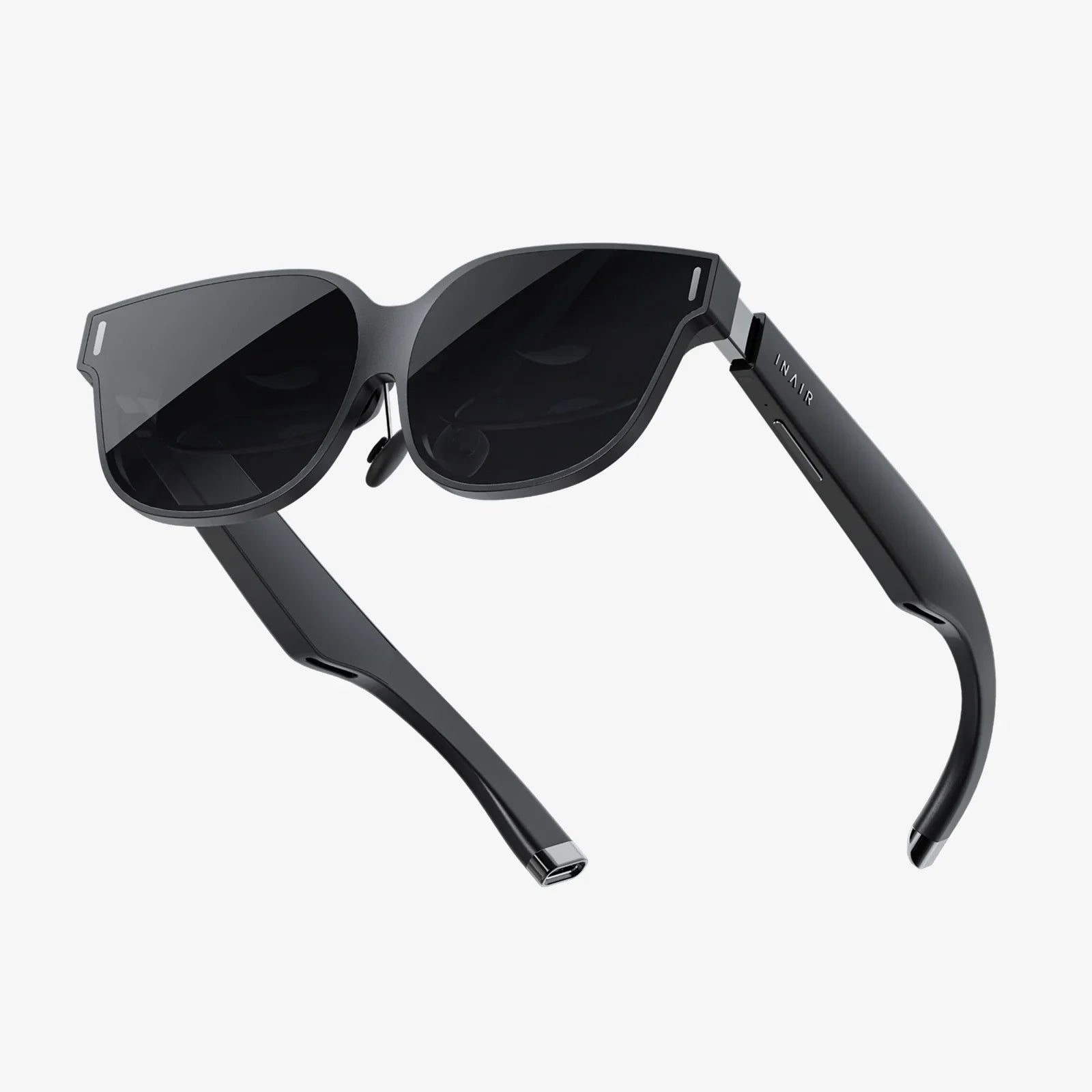
You strap it on your wrist, a sleek promise of a healthier, more efficient, and utterly connected life. It tracks your steps, monitors your sleep, and delivers the world directly to your pulse point. But beneath the glossy facade and the gentle buzz of notifications lies a more complex and often unsettling reality. The disadvantages of smart wearables form a shadow narrative, one of data vulnerability, psychological dependency, and a physical tether to the digital realm that we are only beginning to understand. Before you embrace the next generation of on-body technology, it's crucial to look beyond the marketing and confront the hidden costs of living a quantified life.
The Privacy Paradox: Your Most Intimate Data for Sale
The most profound disadvantage of smart wearables is their insatiable appetite for your personal data. Unlike a smartphone you can set down, a wearable is a persistent data collection device, intimately attached to your body 24/7. It doesn't just know who you call; it knows how your heart rate fluctuates during that call. It doesn't just know your location; it knows how many calories you burned getting there and how restful your sleep was afterward.
This creates an unparalleled repository of your biometric identity—a digital blueprint of your physical self. The fundamental question becomes: who owns this data, and what are they doing with it? The privacy policies governing these devices are often labyrinthine, granting broad permissions to the manufacturers and their third-party partners. Your sleep patterns, activity levels, and even heart rate variability can be aggregated, anonymized, and sold to data brokers, who in turn may sell it to advertisers, health insurers, or other corporations.
Imagine a future where a health insurance company adjusts your premiums based on your wearable data, penalizing you for a sedentary week you took to recover from the flu. Or where an employer makes hiring decisions based on your perceived stress levels gleaned from sleep and heart rate data. The potential for discrimination is immense. This constant surveillance extends the reach of the digital panopticon directly onto our skin, turning our bodies into unwilling informants in the economy of big data.
The Illusion of Connection and the Reality of Social Isolation
Smart wearables are marketed as tools for connection, ensuring you never miss a message, call, or update. In practice, however, they often foster the opposite: a state of perpetual distraction and social disengagement. The constant stream of notifications—a gentle vibration on the wrist—creates a low-level anxiety, a compulsive need to stay current and responsive.
This phenomenon fractures our attention and diminishes the quality of our real-world interactions. A conversation with a friend is interrupted by a buzz about a new email. A moment of quiet reflection is shattered by a social media alert. The wearable becomes a conduit for the digital world to incessantly intrude upon the physical one, making true presence a rare commodity. We may be more connected to our networks, but we are often less connected to the people right in front of us, our gaze frequently dropping to our wrists instead of meeting another's eyes.
This can lead to a peculiar form of isolation, where we are surrounded by people yet deeply engaged with a digital stream of information. The wearable, intended to connect us, can become a barrier to genuine, uninterrupted human connection, training us to value the ping of a notification over the nuance of a face-to-face conversation.
Health Anxiety and the Tyranny of the Metric
Ironically, devices designed to improve our health can inadvertently become a source of significant mental distress. The field of "orthosomnia" has emerged to describe the anxiety and preoccupation with perfecting sleep data based on feedback from sleep trackers. Individuals may become obsessed with achieving a perfect "sleep score," leading to increased anxiety around bedtime—precisely the opposite of what is needed for restful sleep.
This data-driven anxiety extends to fitness as well. A missed step goal can feel like a personal failure. A resting heart rate that's a few points higher than yesterday can trigger fears about one's health. We begin to outsource our bodily awareness to an algorithm, trusting the number on the screen over our own internal feelings of fatigue, wellness, or illness.
Furthermore, the accuracy of these devices, particularly for specific health metrics like blood oxygen saturation or ECG, is a subject of ongoing debate. While they can be useful for general awareness, they are not certified medical devices. Relying on them for diagnostic purposes can be dangerous, potentially leading to false reassurance or, more commonly, unnecessary panic and trips to the doctor—a phenomenon often called the "worried well." The constant monitoring can turn a healthy individual into a hypochondriac, forever chasing optimal metrics at the expense of their peace of mind.
The Physical Toll: Skin, Sight, and Radiation Concerns
The physical disadvantages of smart wearables are often overlooked. Wearing a device snugly against the skin for extended periods can cause problems. Skin irritation, contact dermatitis, and rashes are common complaints, often caused by the materials in the band, the trapped moisture, or the constant friction against the skin.
Another significant concern is eyestrain and sleep disruption. Wearables with screens, especially those that are always-on, emit blue light. Checking the device frequently, particularly before bed, can suppress melatonin production and interfere with the body's natural sleep-wake cycle, undermining one of the very health benefits the device purports to promote.
While the scientific consensus is that the non-ionizing radiation emitted by Bluetooth and other wireless technologies in wearables is low-power and not a proven danger, a segment of the population remains concerned about the long-term effects of having a radiation-emitting device on the body for most of the day. The precautionary principle leads some to question the wisdom of this constant, close-proximity exposure, even in the absence of definitive evidence of harm.
Digital Dependency and the Erosion of Autonomy
Smart wearables represent a significant step toward a future of quantified self-optimization, but they also risk fostering a deep dependency on technology for basic life functions. We may lose the ability to listen to our body's innate signals. Do we need a device to tell us we're tired? To remind us to stand up? To nudge us to take a breath?
This outsourcing of intuition to algorithm diminishes our personal autonomy and self-reliance. The constant feedback loops can be addictive, creating a need for external validation for our internal states. We become less in tune with ourselves and more in tune with the dashboard that represents us. The danger is not just in using the technology, but in becoming unable to function without it, allowing a piece of technology to become the ultimate arbiter of our health, productivity, and even our self-worth.
The Short Lifespan and Significant Environmental Cost
The technology industry is plagued by planned obsolescence, and smart wearables are no exception. With frequent hardware updates, new software features that slow down older models, and non-replaceable batteries that degrade over time, these devices have a notoriously short lifespan. This creates a cycle of consumption and waste that is environmentally unsustainable.
These gadgets are complex assemblies of rare earth minerals, plastics, and metals. Their production has a significant carbon footprint, and their disposal contributes to the growing problem of electronic waste (e-waste), which often ends up in landfills in developing countries, leaching toxic materials into the soil and water. The pursuit of a marginally better heart rate sensor or a slightly brighter screen comes with a hidden environmental price that is rarely factored into the purchase price.
The Security Vulnerabilities: A Hacker on Your Wrist
As with any internet-connected device, smart wearables are potential targets for cyberattacks. A vulnerability in a wearable's software could allow a malicious actor to access not only the data on the device but also, by extension, the smartphone it's paired to and the networks it connects to. Given the intimate nature of the data stored, a breach could be far more damaging than a simple email leak.
Imagine a hacker gaining access to your real-time location data or being able to manipulate your health metrics to cause panic. While such scenarios may seem like science fiction, the underlying vulnerability is real. As these devices become more powerful and store more sensitive information, they become more attractive targets, and the security protocols have not always kept pace with the rapid development of the hardware.
The sleek device on your wrist is more than a fitness tracker or a notification hub; it's a Pandora's Box of data, dependency, and unintended consequences. The path to a truly balanced relationship with this technology requires a conscious effort to reclaim our attention, protect our privacy, and listen to the wisdom of our own bodies instead of the constant hum of the algorithm. The choice to unplug, even from something so small, might be the most empowering step you take all day.
Share:
AR Virtual Object Interactions: Redefining Our Digital and Physical Realms
Top AI Tools: The Ultimate Guide to Transforming Your Workflow in 2024