


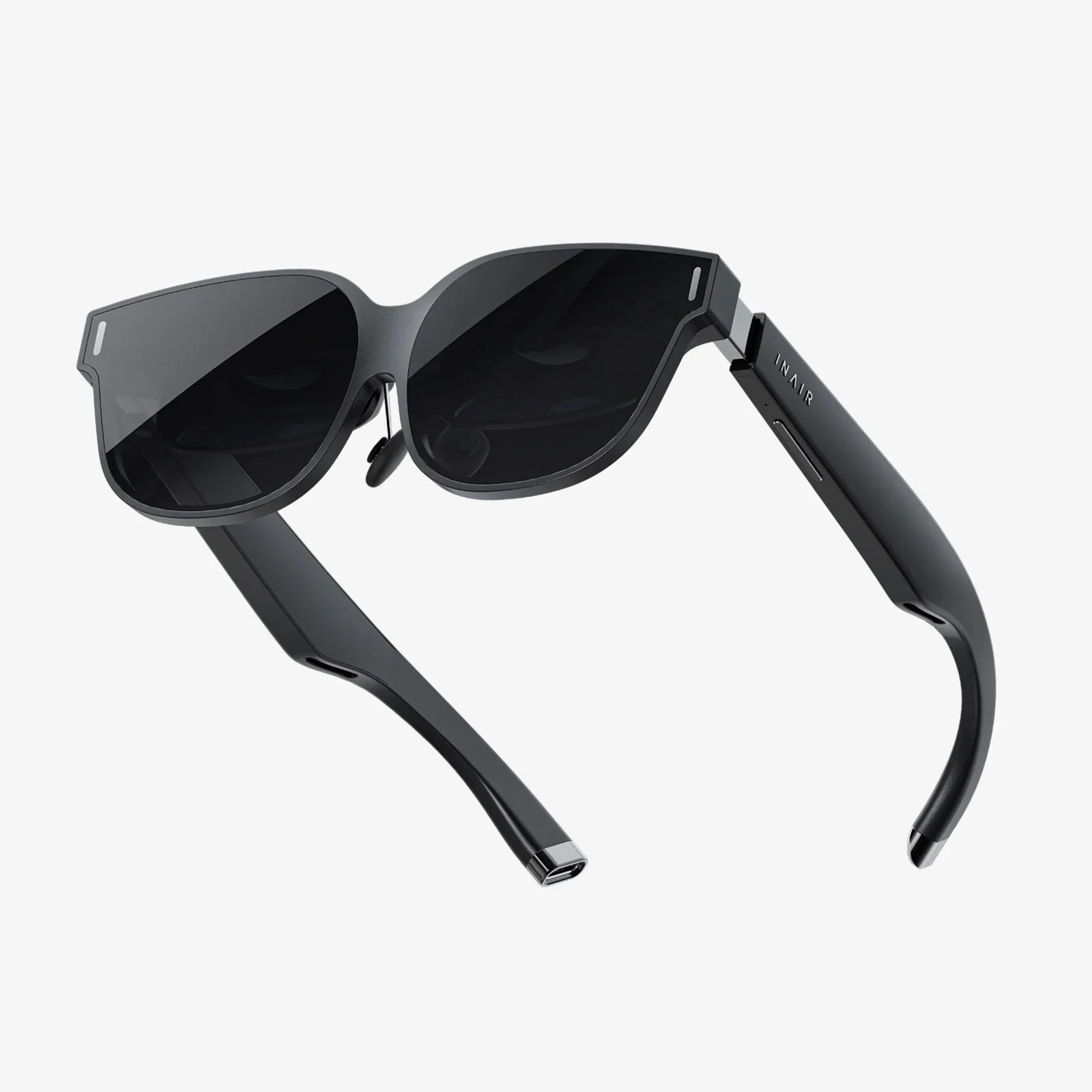
The digital and physical worlds are colliding, and at the epicenter of this seismic shift are the architects of the new reality: AR and VR developers. Their craft is no longer confined to the realms of science fiction or niche gaming; it is rapidly becoming a cornerstone of how we will work, learn, communicate, and interact with information. For those looking to understand the forces shaping our digital future, the tools, technologies, and philosophies embraced by these developers offer a fascinating and critical glimpse into the next decade of technological evolution. The trajectory is clear: immersion is the next great platform shift, and the trends defining its development are both profound and exhilarating.
The Democratization of Development: Low-Code, No-Code, and WebXR
For years, entering the field of immersive development required a significant investment in specialized skills. Proficiency in game engines like Unity and Unreal Engine was a near-mandatory prerequisite, creating a high barrier to entry. However, one of the most powerful trends is the concerted effort to democratize the creation process.
WebXR stands as a titan in this movement. This open web standard allows developers to create immersive experiences that run directly in a web browser, eliminating the need for users to download dedicated applications or plugins. This drastically reduces friction for end-users and opens up AR and VR to a massive, existing audience already comfortable with web browsing. For developers, it means leveraging familiar web technologies like JavaScript and WebGL to build experiences that are accessible across a wide range of devices, from high-end VR headsets to standard smartphones. The promise of "click a link, enter an experience" is a game-changer for consumer adoption and rapid prototyping.
Parallel to this is the rise of no-code and low-code platforms. These intuitive, often visual, tools empower designers, marketers, and educators—individuals without deep programming expertise—to build functional AR experiences. By using drag-and-drop interfaces and pre-built templates, they can create everything from simple product visualizations to interactive training modules. This trend does not replace the need for seasoned developers; instead, it elevates their role. They become creators of the complex systems, custom interactions, and advanced templates that power these platforms, thereby scaling their impact exponentially.
The Hardware Revolution: Beyond the Clunky Headset
Developer trends are intrinsically linked to hardware capabilities. The devices of today are a world apart from the clunky, tethered, and expensive prototypes of just a few years ago. This hardware evolution is opening new creative avenues and use cases.
The most significant shift is towards all-in-one (standalone) headsets. By integrating the processor, sensors, and display into a single wireless unit, these devices offer unparalleled freedom of movement and ease of use. For developers, this means designing experiences untethered from a powerful computer, making VR more social, accessible, and suitable for larger physical spaces. The computational constraints of mobile chipsets also encourage more efficient coding and optimized asset creation, leading to leaner, more performant applications.
Furthermore, we are witnessing the blurring of lines between AR and VR through devices offering pass-through AR functionality. These headsets use outward-facing cameras to digitally reconstruct the user's physical environment, allowing them to overlay digital content seamlessly onto the real world while still being able to don the headset for fully immersive VR. This capability forces developers to think hybrid. An experience might begin in a user's living room (AR), transition into a fully digital boardroom (VR), and then bring virtual schematics back into the physical workspace (AR again). This mixed-reality continuum demands a new design philosophy focused on fluid transitions and context-aware content.
Finally, the development of more sophisticated haptics and controllers is adding a crucial layer of immersion. Beyond simple vibration, advanced haptic gloves and vests can simulate texture, weight, resistance, and impact. Developers are now experimenting with how these tactile sensations can enhance training simulations, create deeper emotional connections in storytelling, and make virtual social interactions, like a handshake, feel more genuine.
The Rise of the Industrial Metaverse and Enterprise Adoption
While consumer applications often grab headlines, the most substantial and funded development is happening within the enterprise sector. The "Industrial Metaverse" is where AR and VR are delivering tangible ROI, transforming workflows across numerous industries.
Design and Prototyping have been revolutionized. Automotive, aerospace, and architecture firms use VR to conduct full-scale, 1:1 reviews of digital prototypes long before physical materials are cut. Teams spread across the globe can collaborate within the same virtual model, examining it from every angle and making annotations in real-time. This saves millions of dollars and accelerates iteration cycles dramatically.
In Training and Simulation, immersive tech is proving invaluable. From training surgeons on complex procedures without risk to preparing field engineers to maintain million-dollar equipment, VR provides a safe, repeatable, and scalable environment. AR takes this a step further by providing on-the-job guidance; a technician wearing AR glasses can see animated repair instructions overlaid directly onto the machine they are fixing, with remote experts able to see their view and draw annotations into their world. For developers, this means building robust, data-rich applications that integrate with enterprise software like IoT platforms and CAD systems.
Spatial Computing and Context-Aware Experiences
The ultimate goal of immersive technology is to make digital information an intuitive part of our physical world. This is the domain of spatial computing, a trend that moves beyond simple overlays to create experiences that understand and interact with their environment.
This is powered by advancements in 3D mapping and scene understanding. Modern devices can rapidly scan a room, identifying floors, walls, ceilings, tables, and other objects. This allows developers to create applications where digital content behaves realistically: a virtual character can sit on your real couch, a digital ball can bounce off your physical walls, and information displays can anchor themselves to specific locations in a factory. This requires a deep understanding of spatial anchors, occlusion (where digital objects are hidden by real-world ones), and physics-based interaction.
The next frontier is the development of the Semantic Web for the physical world. Imagine your AR device not only seeing a "table" but understanding it is a "dining table" or a "conference table." It could identify a "light switch" and allow you to control it virtually, or recognize a "printer" and display its status or paper jam instructions. Developers are working with machine learning models trained on vast datasets to enable this level of contextual awareness, which will unlock a new era of ambient, helpful computing.
Avatars, Social Presence, and the Future of Connection
Humans are social creatures, and a key trend is the effort to make virtual interactions as meaningful and nuanced as real ones. This goes far beyond a cartoonish representation of a person.
Developers are leveraging eye and face tracking technology to create avatars that mirror our subtle expressions. An avatar that maintains eye contact, smiles, furrows its brow, or moves its lips in sync with speech creates a powerful sense of "social presence"—the feeling that you are in a room with another human consciousness. This is critical for effective remote collaboration, virtual meetings, and building communities within social VR platforms.
The pursuit of hyper-realistic digital humans continues, but a fascinating counter-trend is the use of stylized and expressive avatars. Rather than falling into the "uncanny valley," many developers are creating avatars that are intentionally non-photorealistic but highly expressive. This approach can often foster a greater sense of identity and comfort for users, reducing self-consciousness and encouraging more natural communication. The development of standardized avatar systems that can traverse different applications and worlds (a concept often called "avatar interoperability") is a major focus for creating a cohesive metaverse.
AI Integration: The Co-pilot for Immersive Creation
Artificial Intelligence is not a separate trend; it is a powerful accelerant impacting every other aspect of AR/VR development. Developers are increasingly using AI as a co-pilot throughout the creation pipeline.
Generative AI is revolutionizing asset creation. Developers can use text or voice prompts to generate complex 3D models, realistic textures, and even snippets of code, dramatically speeding up prototyping and world-building. AI-powered tools can also animate avatars from audio alone, generating lip-sync and facial expressions automatically.
Within the runtime experience, AI drives intelligent non-player characters (NPCs) with more believable behavior and natural language interactions. It powers real-time translation and transcription services within social apps, breaking down language barriers. On a more technical level, AI-driven super-resolution and upscaling techniques are being used to render high-quality visuals on less powerful hardware, pushing the graphical fidelity of standalone headsets far beyond what their native resolution would typically allow.
Prioritizing Accessibility, Ethics, and User Safety
As the field matures, a crucial trend is the growing focus on the human impact of immersive technology. Developers are now building with inclusivity, ethics, and safety as core principles, not afterthoughts.
Accessibility features are being baked into development frameworks. This includes support for voice navigation for users with limited mobility, alternative input systems, color blindness modes, and customizable interfaces to mitigate simulation sickness (cybersickness). The goal is to ensure that the benefits of immersive technology are available to everyone.
Ethical considerations around data privacy are paramount. AR and VR devices are data collection powerhouses, capturing detailed information about a user's physical environment, body movements, and even gaze direction. Developers must implement privacy-by-design principles, ensuring users have clear control over what data is collected and how it is used. Furthermore, creating robust safety and moderation tools for social spaces is a critical and complex challenge. This includes systems for reporting harassment, creating personal boundaries, and automatically detecting harmful behavior to protect users, especially vulnerable populations.
The world being built by AR and VR developers is no longer a distant promise; it is unfolding around us in boardrooms, classrooms, and living rooms. The trends they are pioneering—democratization through WebXR, the enterprise-driven industrial metaverse, the context-aware magic of spatial computing, and the AI-infused social fabric of virtual spaces—are not just about better technology. They are about forging new tools for human connection, unlocking unprecedented levels of understanding, and redefining the very interface between our ideas and reality. The journey into this immersive future is already underway, and its architects are coding the blueprint for a world limited only by our collective imagination.
Share:
How to Use Augmented Reality Technology: A Comprehensive Guide for Beginners and Businesses
How to Use Augmented Reality Technology: A Comprehensive Guide for Beginners and Businesses