


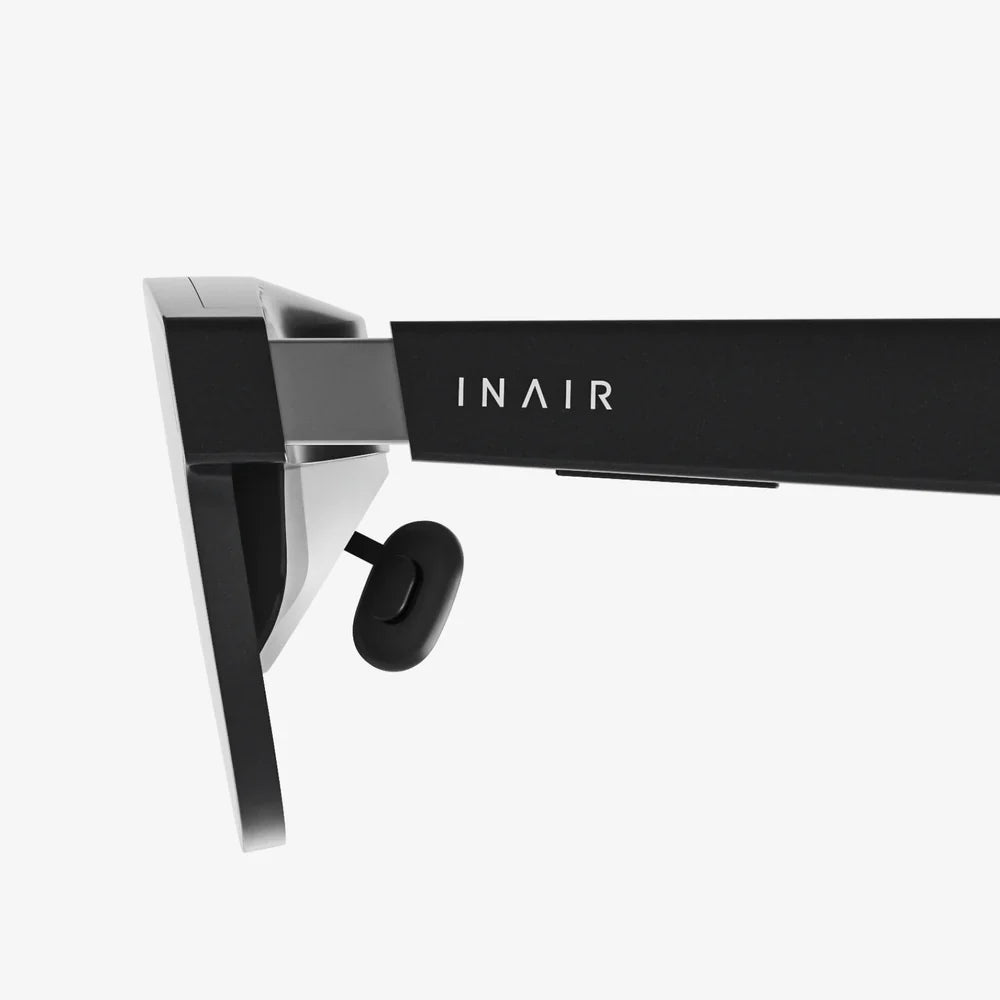
The digital horizon is shimmering with a new kind of magic, one where the boundaries between our physical reality and the infinite possibilities of the digital realm are not just blurring—they are being completely reimagined. This is the promise held within the realms of Augmented Reality (AR) and Virtual Reality (VR), technologies that are rapidly evolving from niche novelties into powerful platforms poised to transform every facet of our lives. The question is no longer if they will change the world, but how, and the answer lies in the boundless creativity of AR VR ideas.
Beyond the Hype: Understanding the AR and VR Landscape
Before diving into the vast ocean of possibilities, it's crucial to chart the distinct territories of AR and VR. While often mentioned in the same breath, they offer fundamentally different experiences.
Virtual Reality (VR) is an all-encompassing, fully digital experience. By wearing a headset, users are transported to a computer-generated environment, completely isolated from the physical world. This immersion is the core of VR's power, making it ideal for simulation, deep gaming, and virtual travel.
Augmented Reality (AR), on the other hand, layers digital information onto our real-world view. Through smartphone screens, smart glasses, or other transparent displays, users see their existing environment enhanced with interactive graphics, data, and 3D models. AR's strength is in its contextuality and accessibility, bridging the gap between data and reality.
The most compelling AR VR ideas often leverage the unique strengths of each technology, though a growing field of Mixed Reality (MR) seeks to blend them seamlessly.
Revolutionizing Enterprise and Industry
The most immediate and impactful applications of AR and VR are emerging within the enterprise sector, where they are solving real-world problems and delivering significant returns on investment.
Immersive Training and Simulation
Imagine training a surgeon to perform a complex procedure, a pilot to navigate a storm, or a factory worker to operate expensive machinery—all without any risk to human life or costly equipment. VR simulation makes this possible. Trainees can practice intricate tasks repeatedly in a safe, controlled virtual environment, receiving instant feedback and building muscle memory. This drastically reduces training times, improves retention, and enhances safety protocols before anyone steps into a real operating theater or cockpit.
Remote Assistance and Knowledge Transfer
AR is breaking down geographical barriers for expertise. A field technician repairing a complex machine can wear AR glasses that allow an expert thousands of miles away to see their field of view. The remote expert can then annotate the technician's real-world view with arrows, diagrams, and instructions, guiding them through the repair step-by-step. This "see-what-I-see" technology preserves institutional knowledge, reduces downtime, and empowers less experienced workers to solve problems independently.
Design and Prototyping
The design process for everything from cars to buildings is being transformed. Instead of creating costly physical prototypes, engineers and architects can don VR headsets to walk through a full-scale, 1:1 model of their creation. They can assess ergonomics, identify design flaws, and experiment with different materials in real-time, long before ground is broken. AR allows clients to visualize a new product in their home or a new building on an empty plot of land, fostering better communication and decision-making.
Transforming Education and Learning
Education is moving beyond textbooks and static diagrams into dynamic, interactive worlds that ignite curiosity and deepen understanding.
Historical and Cultural Time Travel
History lessons are no longer confined to dates and pictures. Students can strap on a VR headset and find themselves walking the bustling streets of ancient Rome, standing on the deck of a Viking longship, or witnessing a famous speech firsthand. This visceral connection to the past fosters empathy and a far deeper understanding than any textbook can provide. Museums are deploying AR to bring exhibits to life, allowing statues to animate and paintings to tell their stories.
Interactive STEM Education
Complex scientific concepts become tangible in VR and AR. Biology students can take a journey through the human bloodstream, chemistry students can manipulate and combine virtual molecules, and physics students can visualize gravitational fields and electromagnetic forces. This hands-on, interactive learning demystifies abstract topics and makes STEM fields more engaging and accessible to all types of learners.
Skill-Based and Vocational Training
From welding to public speaking, AR and VR provide a practice ground for essential skills. A student can practice a welding technique in VR without wasting materials or risking injury. Another can stand in a virtual auditorium and deliver a speech to a simulated audience, helping to overcome stage fright. The applications for safe, repeatable skill acquisition are nearly endless.
Redefining Healthcare and Therapy
The healthcare industry is embracing immersive technology for both treatment and therapy, offering new hope and innovative solutions.
Pain Management and Physical Rehabilitation
VR has emerged as a powerful tool for distraction therapy, particularly for burn victims during wound care or for patients undergoing painful procedures. By immersing the patient in a calming, engaging virtual world, the brain's perception of pain can be significantly reduced. In physical rehab, VR games can turn repetitive, often tedious exercises into motivating and enjoyable activities, tracking progress and encouraging patients to push their limits.
Exposure Therapy and Mental Health
Therapists are using controlled VR environments to treat phobias, anxiety, and PTSD. A patient with a fear of flying can gradually experience the sights and sounds of an airport and a plane takeoff from the safety of the therapist's office. A veteran coping with PTSD can confront and process traumatic memories in a manageable way. This controlled exposure allows for gradual desensitization and is proving highly effective.
Surgical Planning and Medical Imaging
Surgeons can use VR to plan complex operations by navigating a 3D model reconstructed from a patient's CT or MRI scans. This allows them to anticipate challenges and choose the best possible approach. AR can project this 3D imaging data directly onto the patient during surgery, acting as an X-ray vision tool that highlights critical structures like blood vessels and tumors.
Reshaping Retail, Commerce, and Social Connection
How we shop, interact with brands, and connect with each other is on the cusp of a dramatic shift thanks to immersive tech.
Try-Before-You-Buy and Virtual Showrooms
AR is revolutionizing online shopping. Customers can use their smartphone cameras to see how a new sofa would look in their living room, how a pair of glasses fits their face, or how a shade of paint changes a room's ambiance. VR showrooms allow car buyers to explore every detail of a vehicle's interior and customize features without visiting a dealership. This reduces purchase anxiety and minimizes returns, creating a more confident consumer.
The Future of Social Media and Events
Social VR platforms are creating new paradigms for connection. Instead of scrolling through a feed, users embody digital avatars and gather with friends in virtual spaces to watch concerts, play games, or simply hang out. The sense of "co-presence"—feeling like you are truly with someone—is far stronger than a video call. This technology promises to make global events, from music festivals to business conferences, truly accessible to anyone, anywhere.
Storytelling and Narrative Immersion
Filmmakers and artists are exploring VR as the ultimate empathy machine. Instead of watching a story unfold on a screen, you are placed within it. You can look around the environment, follow different characters, and experience the narrative from a first-person perspective. This creates an unparalleled emotional connection to the story and its subjects, whether it's a documentary about a refugee crisis or a fictional adventure.
Looking Ahead: The Future is Immersive
The trajectory of AR and VR points towards lighter, more powerful, and more socially acceptable hardware. The eventual convergence with AI will create environments that are not only immersive but also intelligent and responsive, adapting to our needs and emotions in real-time. The line between creator and consumer will blur as tools for building virtual worlds become more democratized. The most exciting AR VR ideas are likely those we haven't even conceived of yet, waiting to be born from the collaboration of artists, engineers, educators, and dreamers.
The true potential of these technologies lies not in escaping our reality, but in enhancing it—in making us more efficient, more knowledgeable, more connected, and more empathetic. The next great innovation won't be a piece of hardware; it will be the spark of an idea that uses these immersive canvases to solve a problem, tell a story, or bring people together in ways we never thought possible. The door to these new worlds is now open, and it's an invitation to reimagine everything.
Share:
AR to VR: The Complete Spectrum of Immersive Technology and Its Future
Augmented Reality Advertising Market Size 2025: The Inevitable Reshaping of Consumer Engagement