


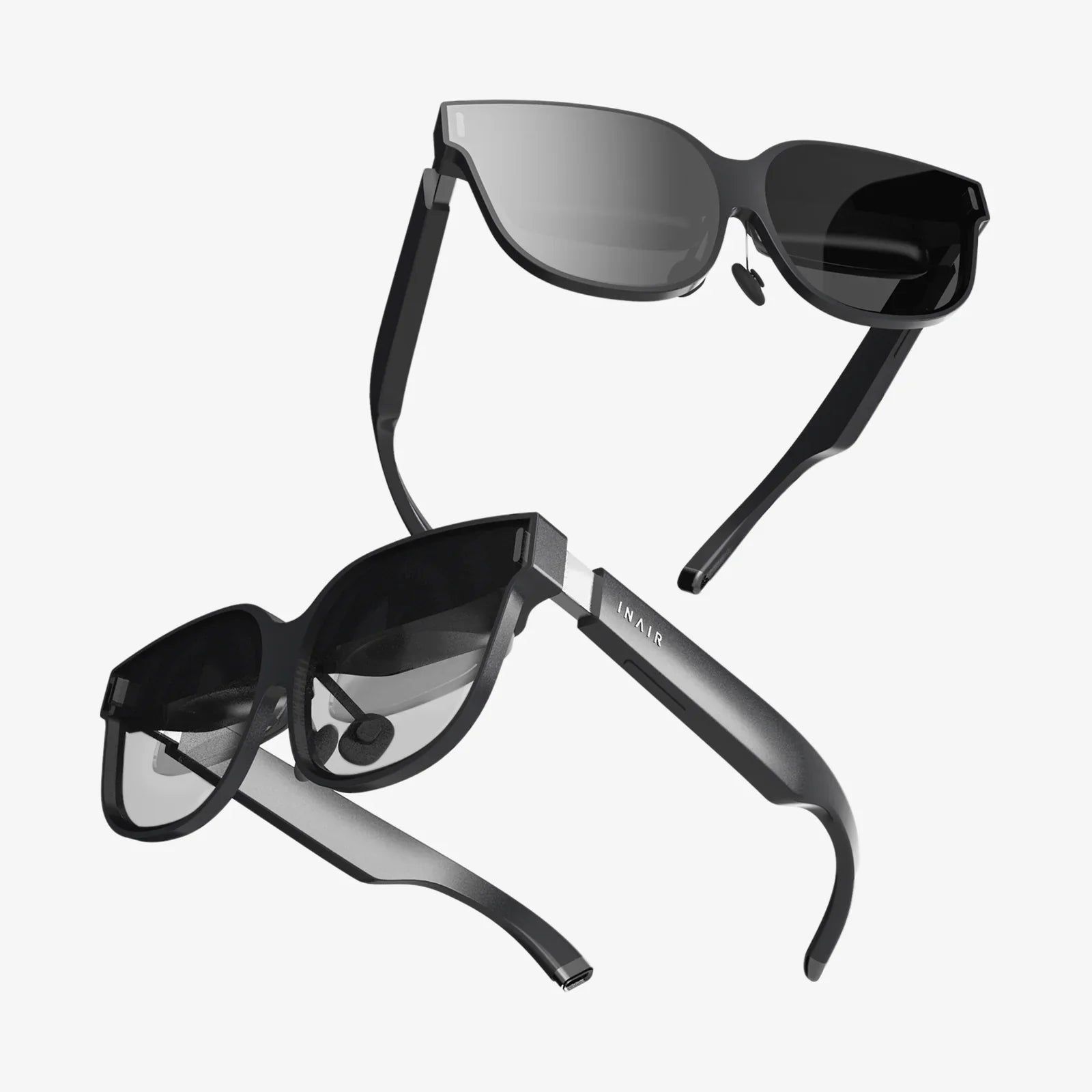
Imagine a world where the digital and physical seamlessly intertwine, where your living room transforms into a battlefield with dragons, your morning run through the park is guided by a holographic coach, and complex heart surgery is practiced on a perfect virtual replica before a single incision is made. This is not a distant science fiction fantasy; it is the palpable future being built today, and 2025 is poised to be the watershed year where Augmented and Virtual Reality innovations truly leap from niche curiosities into mainstream revolution. The convergence of several key technological frontiers is creating a perfect storm, set to unleash a new era of spatial computing that will fundamentally alter how we work, learn, play, and connect.
The Hardware Revolution: Lighter, Smarter, More Powerful
The most immediate barrier to mass adoption of AR and VR has always been the hardware itself. Bulky headsets, limited field-of-view, and underwhelming battery life have been significant hurdles. By 2025, these obstacles will be largely overcome through a series of groundbreaking innovations.
First, the form factor is undergoing a radical miniaturization. We are moving beyond the cumbersome goggles of today towards sleek, glasses-like devices for AR and significantly lighter, more comfortable headsets for VR. This shift is powered by advancements in micro-OLED and micro-LED displays, which offer incredibly high resolution and brightness in a tiny package. These displays, coupled with pancake lenses, drastically reduce the thickness and weight of the devices, making extended use not just possible but pleasant.
Second, the concept of standalone processing is evolving. While powerful onboard chipsets will remain, a significant innovation will be the sophisticated offloading of complex computational tasks. Edge computing and cloud rendering will work in perfect harmony with the headset, delivering photorealistic graphics and incredibly complex simulations without taxing the local hardware or draining the battery. This means consumers will have access to experiences far beyond the native capability of the device they are wearing, all delivered with imperceptible latency thanks to 5G and Wi-Fi 6/7 advancements.
Finally, user input is becoming more intuitive. The clumsy controllers of the past are giving way to sophisticated inside-out tracking and high-fidelity hand tracking. By 2025, we will see the widespread adoption of haptic gloves that provide realistic tactile feedback, allowing users to feel the texture of a virtual object or the resistance of a virtual lever. This leap in immersion is critical for professional applications and deepens the emotional connection to virtual experiences.
The Rise of the AI-Powered Spatial Interface
Hardware is nothing without intelligent software. The true magic of 2025's AR and VR innovations will be powered by artificial intelligence, transforming these devices from simple display terminals into intelligent companions that understand the world and our intentions within it.
AI will be the engine behind real-time environmental understanding. SLAM (Simultaneous Localization and Mapping) technology will evolve from simply mapping a room to semantically understanding it. Your AR glasses won't just see a table; they will recognize it as a surface, understand that a cup is on it, and know that the cup is yours. This allows for persistent digital content that interacts intelligently with the physical world—a virtual pet that jumps onto your real sofa and sleeps there, or a recipe interface that projects each step directly onto the ingredients and utensils you are using.
Furthermore, AI will revolutionize user interaction through natural language processing and predictive analytics. Instead of navigating complex menus, you will simply converse with your AI assistant to launch apps, retrieve information, or control smart devices. The interface will become contextual and anticipatory, surfacing the right tool or piece of information at the right moment based on your location, activity, and past behavior. This shift from a graphical user interface (GUI) to a spatial, intelligent user interface (IUI) represents the most significant change in human-computer interaction since the touchscreen.
Enterprise and Industry: The Productivity Paradigm Shift
While consumer applications often grab headlines, the most profound and immediate impact of AR and VR innovations in 2025 will be felt in enterprise and industrial settings. These technologies are solving real-world problems, driving efficiency, reducing errors, and saving costs.
In manufacturing and field service, AR smart glasses will become standard equipment. A technician repairing a complex wind turbine will have schematics, torque specifications, and live guidance from an expert thousands of miles away overlaid directly onto their field of view. This not only speeds up repairs but drastically reduces downtime and training costs. Similarly, architects and engineers will use VR to walk through full-scale, immersive prototypes of buildings and products long before ground is broken or a single part is manufactured, identifying design flaws and optimizing workflows in a risk-free digital environment.
The medical field is another area poised for transformation. Medical students will practice procedures on hyper-realistic virtual patients, and surgeons will use AR overlays in the operating room to visualize critical anatomical structures like blood vessels and tumors hidden from the naked eye. This fusion of data and reality enhances precision and improves patient outcomes, making healthcare safer and more effective.
The Social and Creative Metaverse Matures
The concept of the metaverse—a persistent network of shared virtual spaces—will move beyond the hype and begin to crystallize into tangible, valuable experiences by 2025. The key innovation here is interoperability and user-generated content.
Social interactions in VR will become more nuanced and expressive with advancements in avatars. Driven by real-time eye and face tracking, our digital representations will convey subtle emotions, blinks, and smiles, fostering a deeper sense of presence and connection with others. Virtual meetings will evolve from a grid of faces to collaborative sessions in a shared virtual workspace, with 3D models, data visualizations, and whiteboards that everyone can interact with naturally.
Perhaps most excitingly, the tools for creating within these virtual worlds are becoming democratized. User-friendly development platforms will allow anyone, not just professional coders, to build their own experiences, games, and virtual assets. This explosion of creativity will fuel the metaverse's economy, with a thriving market for virtual goods, spaces, and experiences. Attending a live concert in VR with friends from across the globe, feeling the crowd's energy through haptic feedback, and then retiring to a virtual home you designed yourself will become a common form of entertainment and socializing.
Ethical Considerations and the Path Forward
With such powerful technology comes immense responsibility. The innovations of 2025 will force a crucial societal conversation around privacy, data security, and the very nature of reality. The always-on cameras and microphones of AR devices, coupled with the vast amounts of personal data they will collect, necessitate robust and transparent privacy frameworks. The potential for deepfakes and hyper-realistic synthetic media in VR raises questions about authenticity and trust. Furthermore, the digital divide could widen into a "reality divide," where access to these transformative tools is limited to those who can afford them.
Addressing these challenges proactively is as important as developing the technology itself. The industry must prioritize ethical design, user control over data, and digital well-being features to prevent addiction and ensure these technologies enhance our real lives rather than replace them.
The horizon of 2025 is not just about newer gadgets; it's about the dawn of a new reality layer, an invisible fabric of information and experience woven into the very fabric of our daily lives. The clumsy headsets and niche applications are giving way to an elegant, intelligent, and intuitive ecosystem that promises to augment human potential in ways we are only beginning to imagine. The boundary between what is real and what is digital is dissolving, and we are all poised to step through the looking glass into a world limited only by our collective imagination. The future is not something we will watch on a screen; we will be living inside it.
Share:
How Is Augmented Reality Created: A Deep Dive into the Digital Overlay
Augmented Reality and Digital Transformation: Reshaping Reality for a New Era of Business