


Imagine a world where digital information seamlessly overlays your physical surroundings, where virtual meetings feel as tangible as face-to-face conversations, and where training for complex surgeries or hazardous missions can be conducted in a risk-free, photorealistic simulation. This is no longer the realm of science fiction; it is the rapidly materializing future promised by Augmented Reality (AR) and Virtual Reality (VR). The global appetite for these immersive technologies is exploding, and understanding the AR VR market forecast is crucial for anyone looking to navigate the next wave of digital transformation. The numbers are staggering, pointing not to a niche interest but to a fundamental shift in how we will compute, connect, and experience the world.
The Current Landscape: A Market Poised for Exponential Growth
The foundational period for AR and VR has firmly passed. What was once a market driven by early adopters and gaming enthusiasts is now entering a phase of mass-market adoption and enterprise integration. Current market analyses from leading research firms unanimously project a trajectory of explosive growth. The global AR and VR market, valued in the tens of billions, is forecast to multiply several times over within the next five to seven years, potentially reaching a figure well into the hundreds of billions by the end of the decade.
This growth is not happening in a vacuum. It is fueled by a powerful confluence of factors: plummeting hardware costs, significant advancements in processing power, the rollout of high-speed connectivity like 5G, and a surge in software development creating more compelling and useful applications. The market is also diversifying, splitting into distinct segments with their own growth curves, including hardware (headsets, glasses, peripherals), software (platforms, applications, development engines), and services (deployment, support, content creation).
Dissecting the Drivers: What's Fueling the Meteoric Rise?
Several powerful engines are propelling the AR and VR market forward, each contributing to the optimistic forecasts.
Technological Advancements
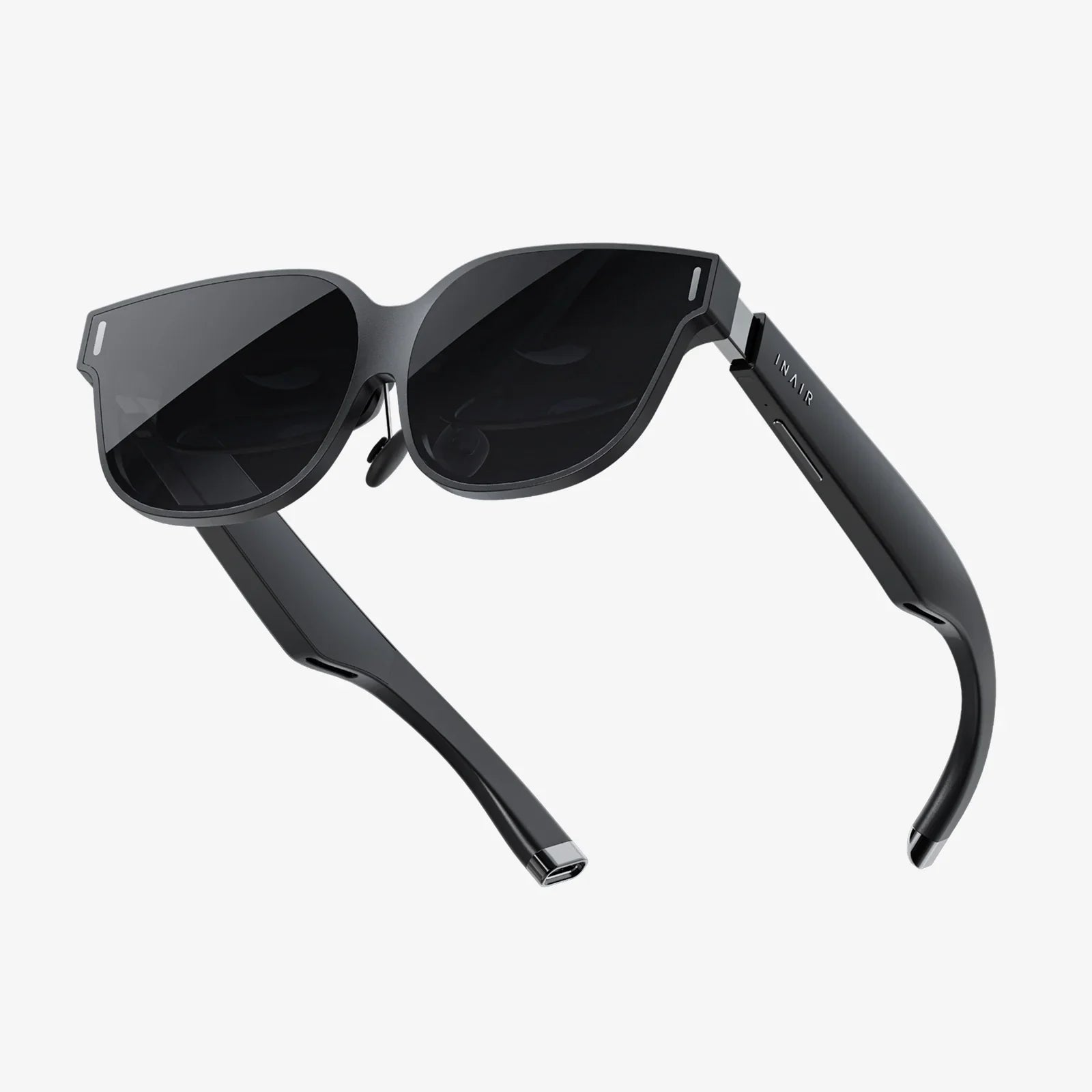
The hardware is becoming lighter, more powerful, and less obtrusive. Standalone VR headsets have untethered users from powerful computers, while the development of AR glasses aims for a form factor resembling everyday eyewear. Key technological improvements include:
- Higher Resolution Displays: The reduction of the "screen-door effect" and increased pixel density are making virtual environments indistinguishable from reality.
- Advanced Tracking and Mapping: Inside-out tracking and sophisticated spatial mapping allow for more natural movement and precise placement of digital objects in the real world.
- Haptic Feedback and Peripherals: The development of advanced gloves and controllers that provide tactile sensation is adding a critical layer of immersion, making digital interactions feel physical.
- AI Integration: Artificial Intelligence is being woven into the fabric of AR and VR, powering more realistic non-player characters, enabling natural language processing for voice commands, and optimizing performance in real-time.
The Enterprise Revolution
While consumer gaming gets much of the attention, the enterprise sector is arguably the most significant and immediate growth driver. Companies are realizing the immense return on investment (ROI) that immersive technologies can provide.
- Training and Simulation: From training surgeons to safely practicing complex procedures to preparing astronauts for spacewalks, VR provides an unparalleled, risk-free training environment. AR is used to guide technicians through complex repairs with digital overlays, reducing errors and training time.
- Design and Prototyping: Automotive and aerospace engineers use VR to collaborate on 1:1 scale 3D models of vehicles and aircraft, making design changes in real-time and saving millions on physical prototypes.
- Remote Assistance and Collaboration: AR enables experts to see what a field technician sees and provide visual guidance from anywhere in the world, drastically reducing travel costs and downtime. Virtual meeting rooms in VR are creating a new paradigm for remote work that feels more connected and engaging than traditional video calls.
- Retail and Marketing: AR allows customers to visualize furniture in their home before buying or try on clothes and makeup virtually, reducing return rates and enhancing the shopping experience.
The Consumer Ecosystem Matures
On the consumer side, the ecosystem is expanding beyond gaming. Social VR platforms are creating new venues for connection and entertainment, allowing users to attend concerts, watch movies, or simply hang out in shared virtual spaces. Fitness applications in VR have created a new category of home exercise, making workouts fun and immersive. Furthermore, the gradual convergence of AR with smartphones continues to expose billions of users to basic augmented reality experiences, priming the market for more advanced wearable devices in the future.
Market Segmentation: A Closer Look at AR vs. VR
While often grouped together, the AR and VR markets have distinct characteristics, adoption curves, and forecasts.
The Virtual Reality (VR) Forecast
VR, which completely immerses the user in a digital environment, currently has a stronghold in the gaming and entertainment sector. Its market growth is heavily influenced by hardware cycles—the launch of new, more advanced headsets typically triggers a significant spike in adoption. The enterprise segment for VR is growing rapidly, particularly in training, simulation, and design. The forecast for VR points to steady growth, with a future increasingly defined by a blend of consumer entertainment and high-value enterprise applications. The concept of the "metaverse," a persistent network of shared virtual spaces, is also a significant long-term driver for VR adoption.
The Augmented Reality (AR) Forecast
AR, which overlays digital information onto the real world, is forecast to eventually become the larger market due to its broader applicability and less isolating nature. Its growth is currently bifurcated. The smartphone-based AR market is already massive, with billions of devices capable of running AR applications. However, the market for dedicated AR glasses (optical see-through devices) is still in its earlier stages. The forecast for wearable AR is dependent on a "iPhone moment"—the launch of a device that successfully balances performance, style, battery life, and price. When this happens, analysts predict an adoption curve that could mirror that of the smartphone, transforming AR from a device we look at to a device we look through, fundamentally changing computing forever.
Geographical Trends: A Global Phenomenon
The adoption of AR and VR is a global story, but with regional variations. North America currently holds a significant share of the market, driven by strong technology sector investment and early enterprise adoption. The Asia-Pacific region, however, is forecast to be the fastest-growing market. This is fueled by massive manufacturing hubs, particularly in China, South Korea, and Japan, which are deploying AR/VR for industrial applications, coupled with a vast and tech-savvy consumer base. Europe also represents a major market, with strong activity in automotive, healthcare, and education applications.
Navigating the Challenges: Hurdles on the Path to Mass Adoption
Despite the overwhelmingly positive forecast, the AR and VR market must overcome several significant challenges to fully realize its potential.
- Hardware Limitations: For AR, the challenge is creating glasses that are socially acceptable, comfortable, and powerful enough for all-day use. For both AR and VR, improving battery life, field of view, and overall comfort remains a primary focus for engineers.
- Content Gap: The "killer app" for mass consumer AR wearables has yet to emerge. While enterprise has clear use cases, consumer AR needs compelling, daily-driver applications to justify the purchase of dedicated hardware. The development of a robust and profitable content ecosystem is critical.
- Social and Ethical Concerns: Issues surrounding data privacy, especially with devices that have always-on cameras and sensors, are paramount. There are also concerns about the psychological effects of prolonged immersion and the potential for deepening the digital divide.
- Interoperability and Standards: For the metaverse vision to become a reality, different platforms and worlds will need to be able to connect and operate with each other. The development of open standards is essential to avoid a future of walled gardens.
The Road Ahead: What the Long-Term Forecast Holds
Looking beyond the next five years, the AR VR market forecast points toward a world where these technologies become as ubiquitous as smartphones are today. We are moving towards spatial computing, where the digital and physical realms are no longer separate but intertwined. AR glasses will eventually replace the smartphone as our primary interface with the digital world, providing contextual information exactly when and where we need it. VR will evolve into hyper-realistic simulations used for everything from advanced scientific research to new forms of art and storytelling.
The convergence of AR and VR with other transformative technologies like artificial intelligence, 5G/6G, and the Internet of Things (IoT) will create synergies we are only beginning to imagine. An AI assistant could manifest as a life-like avatar in your AR glasses, helping you navigate a new city. IoT sensor data from a factory machine could be visualized through an AR headset, predicting maintenance needs before a breakdown occurs.
The numbers and trends are clear: the AR and VR market is on a steep and unstoppable ascent. This isn't just about new gadgets; it's about a fundamental shift in human-computer interaction. From revolutionizing how enterprises operate to redefining social connection and personal entertainment, the immersive future is being built today. The next decade will be defined by our ability to blend the real and the virtual, and the opportunities for those who understand this transition are limitless. The question is no longer if this future will arrive, but how quickly you will choose to step into it.
Share:
Virtual and Augmented Reality Meaning: A Deep Dive into Our Digital Future
Current Trends in Augmented Reality 2025: The Invisible Revolution Reshaping Reality