


The Hardware Renaissance: Beyond the Headset
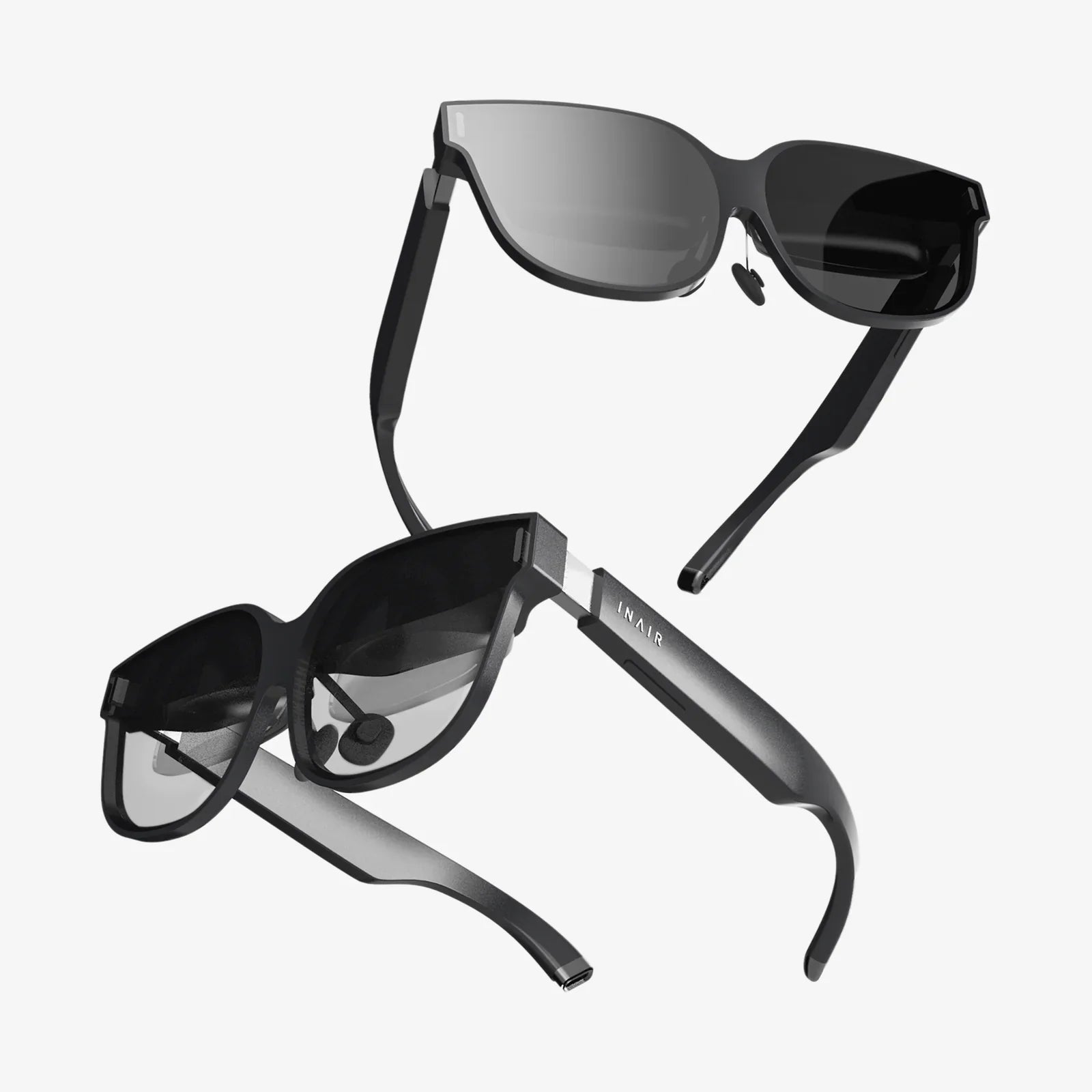
The gateway to any digital universe is the hardware that transports us there. By 2025, the clunky, isolating peripherals of the past will have largely given way to a new generation of sophisticated wearables designed for all-day comfort and social acceptability.A significant shift will be the move towards more socially integrated AR glasses. These devices will be lighter, more powerful, and crucially, resemble fashionable eyewear rather than technical prototypes. Advances in micro-OLED displays and waveguide optics will deliver stunning brightness and clarity, even in direct sunlight, while breakthroughs in battery technology and thermal management will allow for extended use. The key differentiator will be contextual awareness; these glasses will use a suite of sensors, including LiDAR and advanced cameras, to understand the world around you in real-time, overlaying information that is genuinely useful and non-obtrusive.
In the VR space, the focus will be on achieving true visual fidelity and overcoming the last barriers to immersion. High-resolution, varifocal displays that dynamically adjust to the user's eye focus will finally solve the vergence-accommodation conflict, a major source of eye strain and the ".uncanny valley" in VR. This, combined with wider fields of view and HDR capabilities, will make virtual environments indistinguishable from reality. Furthermore, we will see the rise of haptic technology moving beyond controllers. Full-body suits and sophisticated gloves will become more accessible, allowing users to feel the texture of a virtual object, the resistance of a virtual tool, or the impact of a virtual element, completing the sensory feedback loop.
The Metaverse Matures: From Hype to Infrastructure
By 2025, the term "metaverse" will have evolved from a nebulous buzzword into a recognizable, though still developing, layer of the internet. It will be less about a single, unified digital planet and more about a interconnected network of experiences, platforms, and worlds—an "inter-metaverse."The critical development will be the establishment of robust interoperability standards. Imagine purchasing a digital asset—a piece of clothing, a vehicle, a tool—in one virtual environment and being able to use it in another. This cross-platform portability, driven by open standards and perhaps blockchain-based authentication, will be a key focus, breaking down the current walled gardens and creating a true digital economy. This economy will be powered by creators. User-generated content (UGC) tools will become incredibly sophisticated, allowing individuals and small teams to build high-fidelity experiences, assets, and worlds without needing a background in advanced coding, unleashing a wave of creativity and entrepreneurship.
Enterprise adoption will also hit a tipping point. The concept of the "industrial metaverse" will become mainstream. Companies will use digital twins—exact virtual replicas of factories, supply chains, and products—to simulate processes, train employees in risk-free environments, and conduct real-time remote collaborations. A engineer in one country will be able to project their presence, via an AR avatar, onto a factory floor elsewhere to help a local technician solve a complex problem, seeing what they see and annotating the real world with digital instructions.
Artificial Intelligence: The Invisible Engine
None of these advancements will be possible without the silent, pervasive power of Artificial Intelligence. AI will be the bedrock upon which the 2025 metaverse is built, acting in several crucial roles.First, as a world-building engine. AI-powered procedural generation will move beyond simple landscapes to create entire complex, believable ecosystems, cities, and architectures on demand, filled with AI-driven characters that have their own goals and behaviors. This will allow for the creation of vast, dynamic worlds that are unique to each user or constantly evolving.
Second, AI will be key to avatar creation and animation. Realistic motion capture will no longer require a suit of sensors; advanced neural networks will be able to translate a simple video feed from a standard camera into perfectly captured movement for your digital self. AI will also enable real-time facial expression and emotion translation, making avatars truly lifelike and emotionally resonant. Your avatar will not just look like you; it will *act* like you.
Finally, AI will serve as a universal interface. Natural language processing will allow us to interact with these digital worlds through speech and conversation. You won't need to navigate a menu to change the setting of a virtual meeting; you'll simply ask the AI environment to "change the room to a beachside patio at sunset." AI will act as a guide, a creator, and a facilitator, making the technology accessible to billions.
Socio-Economic Impact: New Frontiers and New Challenges
This technological convergence will inevitably ripple through every facet of society, creating new opportunities and formidable challenges that we must begin addressing now.The future of work will be transformed. Remote collaboration will evolve into immersive collaboration. Instead of flat video calls, teams will gather around virtual whiteboards that feel tangible, prototype 3D models together as if they were physical objects, and build rapport through shared spatial experiences that mimic the serendipity of a office hallway conversation. This will democratize opportunity but also raise questions about surveillance, digital fatigue, and the blurring line between work and home life.
New economic models will flourish. The concept of digital ownership will become normalized, with people earning a living as designers, architects, experience hosts, and performers within virtual worlds. This creator economy will be vast, but it will also necessitate new frameworks for digital rights, taxation, and consumer protection.
However, the path forward is not without its perils. The digital divide could evolve into a ".reality divide," separating those who can afford access to these enhanced realities from those who cannot. Issues of data privacy will be magnified a thousandfold; these technologies require an unprecedented amount of personal and biometric data to function. Robust ethical frameworks and regulations will be needed to prevent misuse, ensure equitable access, and protect users from harm, including new forms of addiction and psychological manipulation. The very nature of reality and truth may be called into question as photorealistic AR and VR become commonplace.
Share:
Best AR Glasses for Gaming 2025: The Ultimate Portal to a New Reality
Seeing AI Glasses: A New Vision for Accessibility and Human Connection