


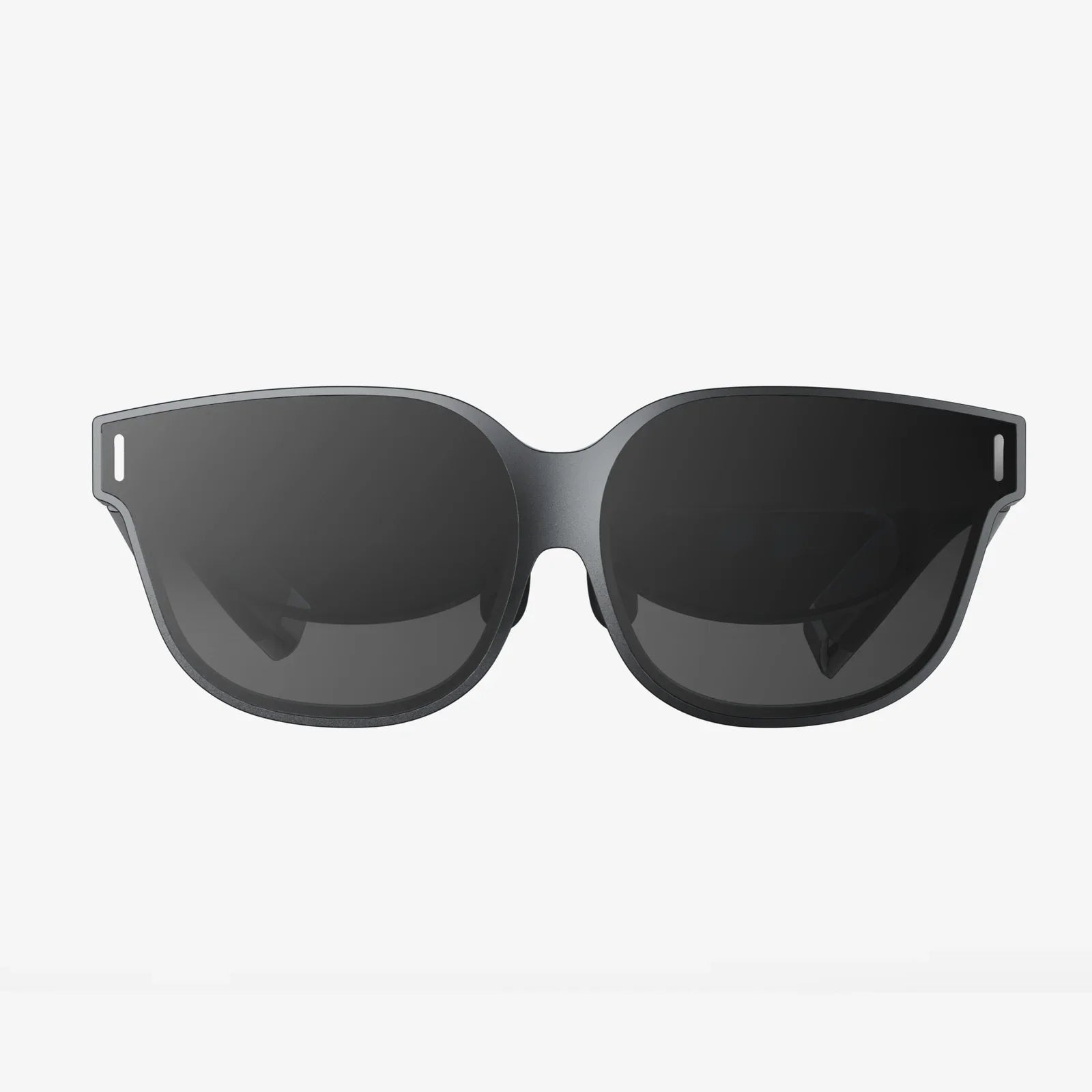
You've felt the thrill of stepping into another world, the awe of standing on a digital mountain peak, and the wonder of interacting with impossible creations—but as you lift that headset from your face and blink away the afterimages, a quiet question lingers in your mind: what is this technology doing to my eyes? This concern, shared by millions of new and experienced users alike, represents one of the most pressing questions in the adoption of immersive technologies. The allure of virtual worlds is undeniable, but at what cost to our most precious sensory organs? As we stand on the brink of a revolution that will see these devices become as commonplace as smartphones, understanding the truth about visual safety has never been more critical.
The Anatomy of Vision in a Digital Realm
To understand the potential impacts of virtual reality on ocular health, we must first appreciate how human vision works in the physical world. Our eyes are remarkably complex organs that evolved to process light reflected from our environment. In natural vision, our eyes constantly make tiny adjustments—focusing on objects at different distances (accommodation), converging toward or away from each other based on depth (vergence), and reacting to changing light conditions. This intricate dance between focus and convergence is precisely coordinated, with both systems working in harmony to create a single, coherent perception of a three-dimensional world.
Traditional screens—from smartphones to televisions—exist at a fixed distance from our eyes. When we watch a movie or scroll through social media, our eyes focus on a single plane, typically adjusting to the precise distance of the physical display. The illusion of depth is created through monocular cues like relative size, occlusion, and motion parallax, but our eyes' focusing systems recognize that all content exists at the same distance.
Virtual reality upends this established visual paradigm. Through stereoscopic displays, VR headsets present slightly different images to each eye, tricking the brain into perceiving depth in a manner that mimics natural binocular vision. However, there's a critical difference: while the virtual objects appear to be at varying distances, the physical display remains at a fixed distance from the user's eyes. This creates what researchers call the vergence-accommodation conflict—perhaps the most significant physiological challenge presented by current VR technology.
The Vergence-Accommodation Conflict: A Fundamental Challenge
The vergence-accommodation conflict represents the core physiological challenge in current virtual reality systems. When we look at an object in the real world, our eyes converge (turn inward or outward) to point at the same object in space, while simultaneously adjusting their focus (accommodation) to make that object sharp. These two systems are neurologically linked in what is known as the accommodation-convergence reflex.
In a VR headset, this natural linkage is broken. If a virtual object appears to be six feet away, your eyes will converge as if looking at something six feet away. However, since the physical screens are only inches from your face, your lenses must accommodate (focus) for that close distance. This contradictory visual demand—converging for distance while accommodating for proximity—creates a sensory mismatch that never occurs in natural vision.
Research into the effects of this conflict has yielded mixed results. Some studies suggest that prolonged exposure to this mismatch can lead to visual fatigue, headaches, and eyestrain—symptoms collectively known as asthenopia. Other research indicates that many users adapt to this conflict relatively quickly, with symptoms diminishing over repeated exposures. The variability in individual responses appears to be significant, with some users experiencing severe discomfort while others report minimal issues.
Children may be particularly vulnerable to this conflict due to their visual systems still being in development. The plasticity of young eyes, while remarkable, might make them more susceptible to potential long-term effects from repeated exposure to vergence-accommodation conflicts. This concern has led most headset manufacturers to recommend their products for users above specific age thresholds, typically around 13 years.
Beyond the Conflict: Other Visual Considerations
While the vergence-accommodation conflict receives significant attention, other visual factors merit consideration when evaluating the safety of VR headsets for eyes:
Blue Light Exposure
The potential effects of blue light emission from digital screens have been widely discussed in recent years. VR headsets, like other displays, emit blue light—the high-energy visible light at the blue/violet end of the spectrum. Some research suggests that excessive blue light exposure, particularly before bedtime, can disrupt circadian rhythms and sleep patterns. However, the scientific consensus on whether blue light from screens causes permanent retinal damage remains divided. The amount of blue light emitted by VR headsets is typically similar to or less than that from smartphones or computer monitors, and the fact that headsets block ambient light might actually reduce overall light exposure compared to using a phone in a dark room.
Screen Door Effect and Visual Resolution
Earlier VR headsets suffered from what was known as the "screen door effect"—visible lines between pixels that created the impression of looking through a fine mesh. While modern headsets have largely eliminated this issue with higher-resolution displays, the quest for pixel density continues. Lower-resolution displays can force users to strain their eyes to resolve details, potentially contributing to visual fatigue. As display technology improves, this concern diminishes, but it remains relevant for older or budget-oriented hardware.
Pupillary Distance and Optical Alignment
Proper alignment between the headset's optics and the user's eyes is crucial for visual comfort. Most modern headsets include adjustable lenses that can be calibrated to match the user's interpupillary distance (IPD)—the space between the centers of the pupils. Incorrect IPD adjustment can lead to eye strain, blurred vision, and headaches as the visual system struggles to reconcile misaligned images. Users with particularly narrow or wide IPD measurements may find some headsets uncomfortable regardless of adjustments, highlighting the importance of proper fit and customization.
Potential Benefits: The Other Side of the Story
Despite the concerns, emerging research suggests that VR technology might offer unexpected benefits for certain visual conditions when used appropriately:
Vision Therapy Applications
Researchers and clinicians are exploring VR's potential in treating amblyopia (lazy eye) and strabismus (crossed eyes). The controlled environment of virtual reality allows for precise manipulation of visual stimuli that can encourage the brain to use both eyes together—a critical component of effective vision therapy. Early studies have shown promising results, though this application remains in the experimental stage and should only be pursued under professional supervision.
Low-Vision Assistance
For individuals with significant visual impairments, VR headsets can be programmed to enhance specific aspects of visual information. By amplifying contrast, highlighting edges, or magnifying certain areas of the visual field, customized VR experiences might help those with low vision navigate virtual spaces more effectively, with potential applications for real-world assistance in the future.
Guidelines for Safe VR Usage: Protecting Your Visual Health
Based on current research and expert recommendations, several practices can help mitigate potential risks to eye health when using VR headsets:
Time Limitations and Regular Breaks
Most experts recommend following the 20-20-20 rule adapted for VR: every 20 minutes, take a 20-second break and look at something at least 20 feet away. This practice helps reduce eye strain by allowing the visual system to reset its focus and convergence systems. For extended sessions, consider taking longer breaks of 10-15 minutes every hour.
Proper Adjustment and Calibration
Take the time to correctly adjust your headset. Ensure the IPD is properly set for your eyes, the headset is positioned comfortably on your face without excessive pressure, and the display is sharp and clear before beginning your session. Many modern headsets include software guides to assist with this process.
Adequate Lighting Conditions
While VR headsets create their own visual environment, using them in a reasonably lit room (without direct light shining into the sensors) can help reduce the contrast shock when removing the headset. This practice may help minimize visual fatigue associated with rapid light adaptation.
Regular Eye Examinations
Regular comprehensive eye exams are important for everyone, but particularly for frequent VR users. An eye care professional can identify any vision issues that might be exacerbated by VR use and provide personalized recommendations based on your specific visual needs.
The Future of VR and Eye Safety: Technological Solutions
The technology behind VR headsets is evolving rapidly, with several innovations poised to address current visual concerns:
Varifocal and Light Field Displays
Next-generation headsets are exploring varifocal systems that physically or digitally adjust focus based on where the user is looking in the virtual environment. Some experimental systems even use eye-tracking to determine intended focus depth and adjust the optics accordingly. Light field displays, which mimic the way light behaves in the real world, represent another promising approach that could eventually eliminate the vergence-accommodation conflict entirely.
Advanced Eye Tracking
Beyond assisting with focus, sophisticated eye-tracking technology can enable foveated rendering—a technique that renders only the center of the visual field at full resolution while reducing detail in the periphery. This approach not lessens the graphical processing load but may also reduce visual processing demands on the user.
Biometric Monitoring
Future headsets may incorporate sensors that monitor signs of visual fatigue, such as changes in blink rate, pupil dilation, or even subtle changes in visual acuity. Such systems could prompt users to take breaks before symptoms become significant, creating a more responsive safety system.
Balancing Innovation and Ocular Well-being
The question of VR headset safety for eyes doesn't yield a simple yes or no answer. Current evidence suggests that when used appropriately by those without pre-existing visual conditions, modern VR systems pose minimal risk of permanent damage to healthy adult eyes. The most commonly reported issues—eye strain, headaches, and visual fatigue—are typically temporary and resolve with rest.
However, the long-term effects remain incompletely understood, particularly for developing visual systems. The technology is simply too new for comprehensive longitudinal studies. This uncertainty underscores the importance of moderation, proper usage techniques, and continued research.
As with many technologies, the potential risks of VR must be balanced against its remarkable benefits. The ability to experience places we might never visit, to learn through immersion, to create in three dimensions, and to connect with others across virtual spaces represents a profound expansion of human experience. With thoughtful design, responsible usage, and ongoing scientific inquiry, we can work toward a future where these experiences don't come at the cost of our visual health.
Imagine a not-so-distant future where your headset knows your eyes better than you do—adjusting seamlessly to your visual needs, monitoring for fatigue, and even enhancing your natural capabilities. The journey toward truly eye-safe virtual reality has only just begun, and the next chapter promises innovations that will make today's concerns a relic of technological infancy. The virtual frontier awaits, and with mindful exploration, we can ensure our eyes remain ready for whatever wonders come next.
Share:
Portable Computer Display: The Ultimate Guide to Expanding Your Digital Workspace Anywhere
China Virtual Reality Market: A Deep Dive into the Dragon's Next Digital Frontier