


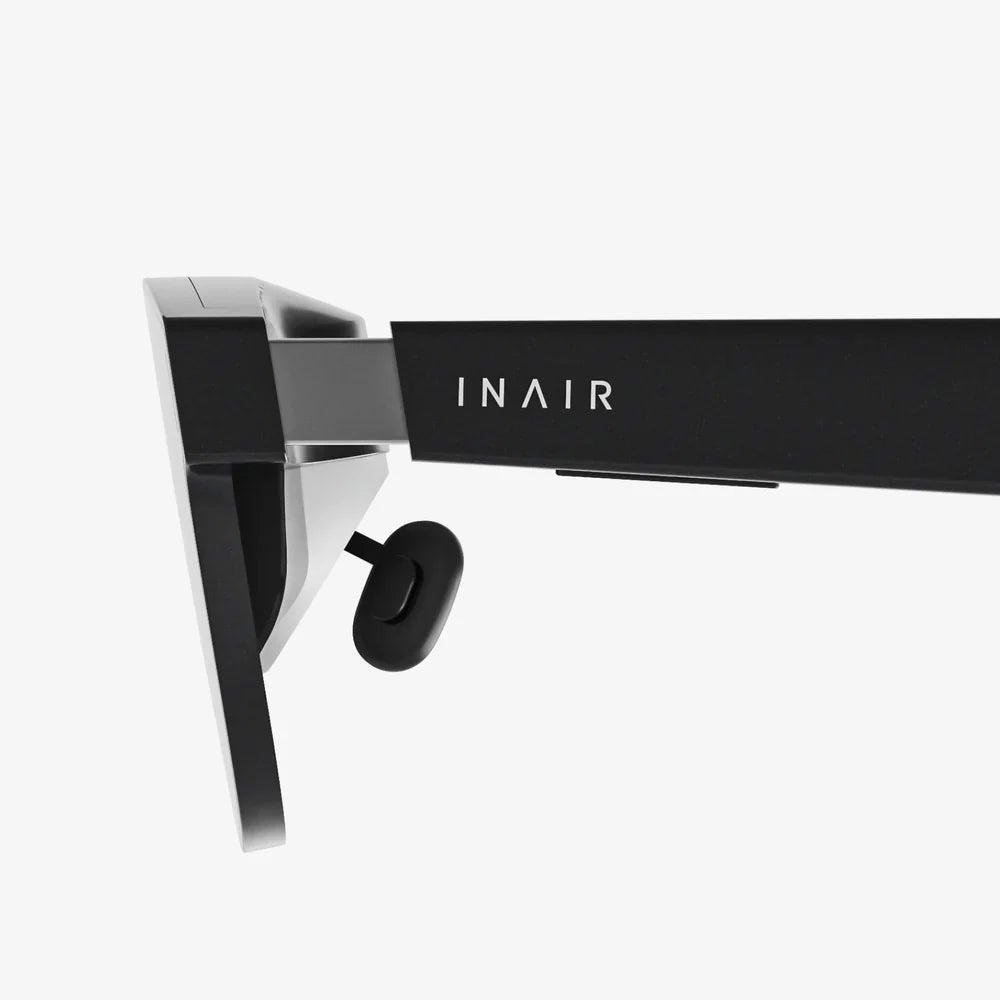
In an era where our wrists buzz with notifications, our sleep is scored by algorithms, and our heart rates are monitored 24/7, a pressing question cuts through the digital noise: are we trading our well-being for convenience? The allure of wearables is undeniable—they promise optimized health, unparalleled connectivity, and a data-driven path to a better self. But beneath the sleek surfaces and glowing interfaces lies a complex web of safety considerations that every user must confront. This isn't just about a device on your wrist; it's about the profound implications of inviting a constant digital companion into the most intimate aspects of our lives.
The Data Goldmine: Privacy in the Palm of Your Hand
Every step counted, every heartbeat recorded, every location logged—wearables are voracious collectors of personal data. This information forms a detailed digital portrait of your life, a treasure trove that is incredibly valuable not just to you, but to corporations, advertisers, and potentially, malicious actors.
The primary privacy concern revolves around consent and transparency. When users click "agree" on lengthy terms of service documents, they often unknowingly grant permission for their data to be aggregated, anonymized, and sold to third parties for advertising and research. This data can be used to infer far more than fitness levels; it can reveal sleep patterns that indicate stress, changes in routine that suggest unemployment, or a decline in physical activity that signals illness.
Furthermore, the line between anonymized and identifiable data is notoriously thin. With enough data points, it becomes trivial to de-anonymize information and link it back to a specific individual. The potential for this data to be used in ways that impact insurance premiums, employment opportunities, or even legal proceedings is a significant societal concern that regulators are still struggling to address.
Guarding the Fortress: Cybersecurity Vulnerabilities
If data is the new gold, then wearables are often the weakly guarded vaults. These devices are part of the ever-expanding Internet of Things (IoT), a ecosystem frequently criticized for its lack of robust security protocols. The miniaturized nature of wearables means they often prioritize battery life and form factor over powerful encryption and security features.
Cybersecurity threats can manifest in several ways. A vulnerable device can act as a gateway to a user’s entire network, including smartphones, laptops, and home systems, exposing personal files, passwords, and financial information. There have been documented instances where security researchers have demonstrated the ability to intercept unencrypted data transmitted from a wearable to a companion app, revealing real-time location and health metrics.
Perhaps more alarmingly, as medical-grade wearables become more common, the threat of sabotage becomes a life-or-death matter. While mainstream consumer devices are not yet at this level, the future possibility of hackers manipulating data from a continuous glucose monitor or an connected insulin pump presents a terrifying frontier in cybersecurity that the industry must proactively guard against.
The Invisible Spectrum: Radiation and Health
The question of non-ionizing radiation emission is perhaps the most visceral safety concern for many users. Wearables, like all wireless devices, operate using radiofrequency (RF) radiation, a low-energy form of radiation on the electromagnetic spectrum.
Regulatory bodies like the Federal Communications Commission (FCC) set Specific Absorption Rate (SAR) limits, which measure the rate at which the body absorbs RF energy. Wearable devices are required to test and comply with these safety limits. The consensus among major health organizations, including the World Health Organization (WHO), is that there is no established evidence that the low-level RF from devices operating within regulatory guidelines causes adverse health effects in humans.
However, some concerns persist due to the nature of constant, close-proximity exposure. Unlike a phone kept in a bag, a wearable is in direct contact with the skin for extended periods. While current research is largely reassuring, some scientists advocate for more long-term studies. The scientific principle of precaution suggests that while panic is unwarranted, a healthy awareness of the ongoing research is prudent. For those concerned, simple practices like not wearing the device 24/7 or opting for models with airplane modes can mitigate perceived risks.
Mind and Body: The Psychological and Physical Impact
Safety extends beyond physical health to encompass mental and emotional well-being. Wearables can have a powerful, and sometimes negative, psychological impact. The phenomenon of "quantified self" can lead to obsessive behaviors, where individuals become overly fixated on metrics, leading to anxiety, orthorexia (an obsession with healthy eating), or exercise addiction. The constant feedback loop can create a toxic relationship with one's own body, where a failed goal or a poor sleep score translates into personal failure.
Physically, the most common complaint is skin irritation. The combination of sweat, moisture, friction, and materials in the device band can cause contact dermatitis, rashes, and irritation. This is often due to trapped bacteria and soap under the band rather than an allergic reaction to the materials themselves. Proper hygiene, ensuring the band is clean and dry, and taking breaks from wearing the device can easily prevent most of these issues.
A Question of Accuracy: How Reliable Is Your Data?
The safety of a decision based on wearable data is only as good as the accuracy of the data itself. These devices are fantastic consumer products, but they are not, for the most part, classified as medical devices. Their sensors, particularly for heart rate and sleep tracking, provide estimates and approximations, not clinical-grade readings.
Optical heart rate sensors (photoplethysmography or PPG) can be affected by skin tone, tattoo ink, motion, and fit. Sleep staging algorithms infer sleep states from movement and heart rate variability, which is not as accurate as a professional polysomnogram. Relying on this data for self-diagnosis or to ignore actual medical symptoms can be dangerous. A wearable might suggest a high stress level, but it cannot replace a doctor's diagnosis for an underlying condition like atrial fibrillation or sleep apnea. The data should be viewed as a helpful guide for general wellness, not a definitive medical tool.
Navigating the Future: Regulation and Responsible Use
The regulatory landscape is scrambling to keep pace with innovation. Laws like the General Data Protection Regulation (GDPR) in Europe empower users with greater control over their data, including the right to access, correct, and delete it. However, global standards are inconsistent. The onus is increasingly falling on both companies to practice ethical data stewardship and on users to educate themselves.
Responsible use is the user's first and best line of defense. This involves taking proactive steps: reviewing and adjusting privacy settings to limit data sharing, using strong and unique passwords for associated accounts, keeping device firmware and companion apps updated to patch security vulnerabilities, and cleaning the device regularly to prevent skin irritation. Most importantly, it requires maintaining a critical perspective, understanding the limitations of the technology, and consulting healthcare professionals for medical concerns rather than relying solely on device data.
The journey of wearable technology is just beginning, and its potential to revolutionize healthcare and personal wellness is immense. But as we strap these powerful computers onto our bodies, we must do so with our eyes wide open, balancing the remarkable benefits with a sober understanding of the risks. The safest wearable experience is an informed one, where you control the technology—not the other way around.
Share:
Wearable Technology Sales Soar as Devices Become Indispensable Health Partners
VR Headset Under $2,500: Your Ultimate Guide to Premium Immersive Technology