


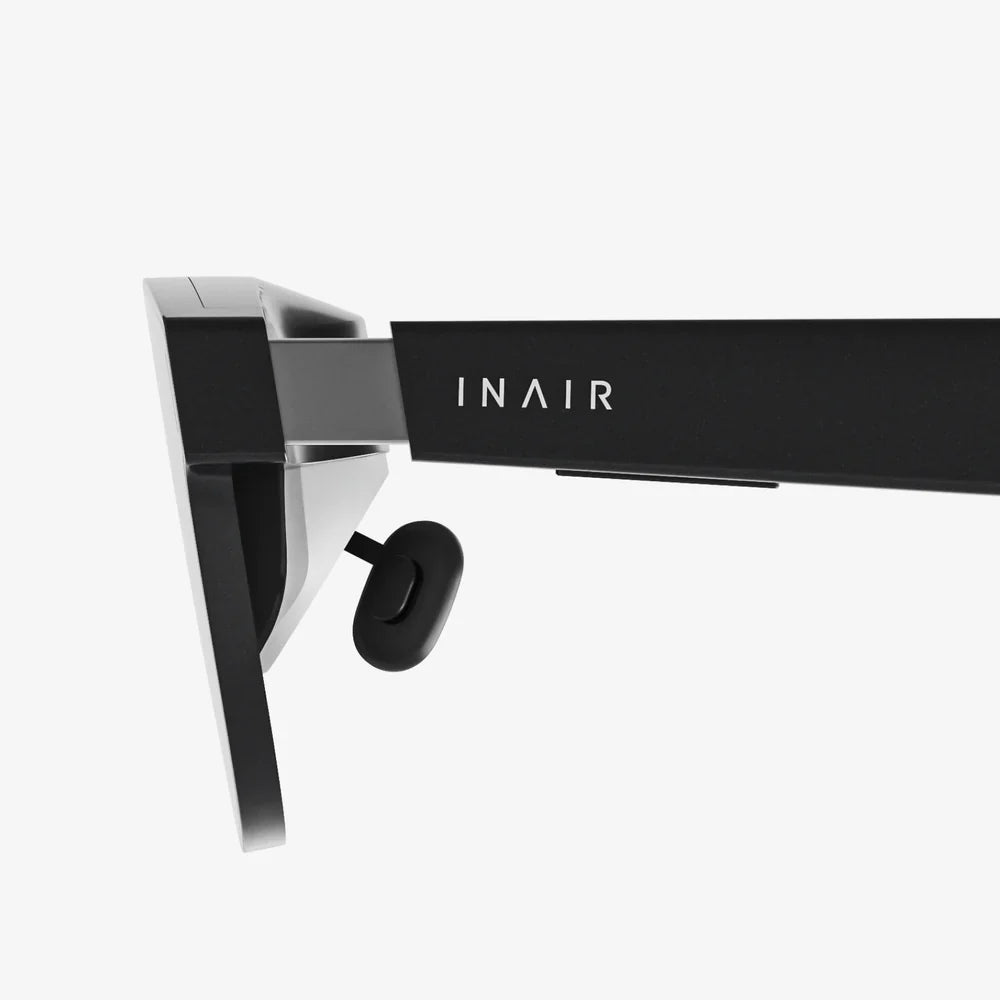
Imagine stepping into another world, a digital realm so crisp and responsive you forget the headset on your face and the room around you. This is no longer the stuff of science fiction or exclusive to those with limitless budgets. The quest for a truly immersive, high-end virtual reality experience that doesn't require a second mortgage ends here. The market for premium VR headsets under $2,500 is booming, offering breathtaking visual fidelity, cutting-edge tracking, and a gateway to the metaverse that feels genuinely real. This isn't about simple mobile VR; this is about powerhouse systems designed for gamers, creators, and professionals ready to embrace the next digital frontier. If you're looking to invest in the absolute best immersive technology available without venturing into the stratosphere of professional-grade pricing, your journey starts now.
The Evolution of Affordable High-End VR
Just a few years ago, the term 'affordable high-end VR' would have been an oxymoron. The first generation of consumer VR was a choice between low-cost, low-immersion mobile headsets and incredibly expensive, complex systems that required a powerful computer and a dedicated space. The landscape has shifted dramatically. Technological advancements in display technology, lens design, and inside-out tracking have driven costs down while pushing performance to unprecedented heights. The $2,500 price point now represents a sweet spot, a threshold where manufacturers can integrate near-best-in-class components—like ultra-high-resolution displays, advanced pancake lenses for clarity, and robust inside-out tracking systems—while still offering a product for the serious enthusiast and professional market. This segment has effectively bridged the gap, delivering experiences that were once the sole domain of prototypes and research labs.
Decoding the Specs: What $2,500 Buys You
When investing in a premium headset, understanding the specifications is key to recognizing the value proposition. Here’s what you should be looking for in this elite category.
Display Resolution and Clarity: The Window to Another World
The single most important factor in achieving immersion is visual fidelity. Headsets in this class typically feature dual LCD or OLED displays with combined resolutions that meet or exceed 4K per eye. This massive pixel density, often referred to as 'retina' resolution within the context of VR, virtually eliminates the 'screen door effect'—that distracting grid of lines between pixels that plagued earlier headsets. The result is text that is sharp and readable, distant objects that remain defined, and a visual experience that feels authentic and engaging.
Lens Technology: Beyond the Fresnel Legacy
For years, Fresnel lenses were the standard. While effective, they came with drawbacks like god rays, glare, and a limited 'sweet spot' for clarity. The new gold standard, featured in the best headsets under $2,500, is pancake lenses. These compact, multi-element lenses allow for a much thinner headset design and, crucially, provide edge-to-edge clarity. This means the entire field of view is sharp, not just the center, allowing you to look around naturally with your eyes instead of constantly turning your head.
Field of View (FoV): Expanding Your Digital Horizon
Field of View is how much of the virtual world you can see at any given moment, measured diagonally. A standard human FoV is approximately 210 degrees. While no consumer headset achieves this yet, premium models now offer between 110 and 130 degrees. This expanded FoV is critical for peripheral vision, enhancing the feeling of 'presence' and making simulations and games vastly more immersive and less like looking through a pair of binoculars.
Tracking and Controllers: Your Hands in the Virtual Space
Gone are the days of cumbersome external base stations for most users. Premium standalone or hybrid headsets now utilize sophisticated inside-out tracking. Multiple embedded cameras around the headset constantly map your environment, tracking the position of the headset and the controllers with incredible precision and low latency. The controllers themselves are ergonomic marvels, featuring haptic feedback, finger tracking, and analog grips that allow for nuanced interaction, from gently picking up a virtual object to feeling the recoil of a virtual weapon.
Performance and Compute Power: The Engine Room
For standalone headsets, the internal processor is the heart of the operation. The latest chipsets found in this price bracket are capable of rendering complex environments and maintaining high, stable frame rates essential for comfort. For PC-connected models, the headset acts as a superb display and tracking device, leveraging the raw power of your gaming computer to deliver the most graphically intense experiences possible. Many also support advanced features like eye-tracking, which enables foveated rendering—a technique that dramatically boosts performance by rendering only the area you are directly looking at in full detail.
Beyond Gaming: The Professional and Creative Applications
While gaming is a massive driver, the value of a premium VR headset extends far into professional fields. Architects and designers walk clients through photorealistic 3D models of unbuilt homes and products. Medical students practice complex surgical procedures in risk-free simulations. Corporate teams across the globe meet in virtual boardrooms, collaborating on 3D models as if they were in the same physical space. Artists sculpt and paint in three dimensions, creating artworks that are impossible in the physical world. The high resolution, comfort, and precision of a sub-$2,500 headset make these professional applications not just possible, but practical and highly effective.
Comfort and Design: Wearing the Future
A headset can have all the power in the world, but if it's uncomfortable to wear, it will gather dust. Manufacturers in this tier understand that extended use requires thoughtful design. This includes balanced weight distribution, often with a counter-weight at the back, plush, replaceable facial interfaces, and adjustable straps that accommodate glasses and different head shapes. Many feature active cooling systems to prevent lens fogging and keep the user comfortable during long sessions. The design philosophy has shifted from a piece of hardware to a wearable device.
The Software Ecosystem: Accessing the Metaverse
Hardware is nothing without software. A premium headset provides access to vast digital storefronts filled with thousands of experiences. This includes not only blockbuster games and innovative indie titles but also social platforms, fitness applications, cinematic experiences, and creative tools. The open nature of many of these platforms means you are not locked into a single walled garden; you can often access multiple app stores and experiences, ensuring your investment is future-proofed against a rapidly evolving digital landscape.
Making the Right Choice: A Buyer's Considerations
Before taking the plunge, consider your primary use case. Are you a hardcore gamer with a powerful PC, or do you value the wireless freedom of a standalone device? Do you need it for professional 3D modeling, or for social and fitness applications? Your answers will guide you. Also, consider the total cost of ownership. While the headset itself is under $2,500, you may need to factor in the cost of accessories, additional software, and, for PCVR, ensuring your computer meets the required specifications. Finally, read reviews and, if possible, try before you buy. Comfort and visual perception are highly subjective.
The door to truly transformative virtual experiences is wide open, and the key is more accessible than ever. A VR headset under $2,500 is no longer a compromise; it's a strategic entry point into a tier of technology that offers breathtaking immersion, professional-grade utility, and a front-row seat to the next evolution of human-computer interaction. This is your chance to not just play games, but to explore new worlds, create without limits, and connect in ways previously unimaginable. The future is here, and it's waiting for you to put it on.
Share:
Are Wearables Safe? An In-Depth Look at Health, Privacy, and Security
High Quality Digital Products: The Definitive Guide to Smart Acquisition and Lasting Value