


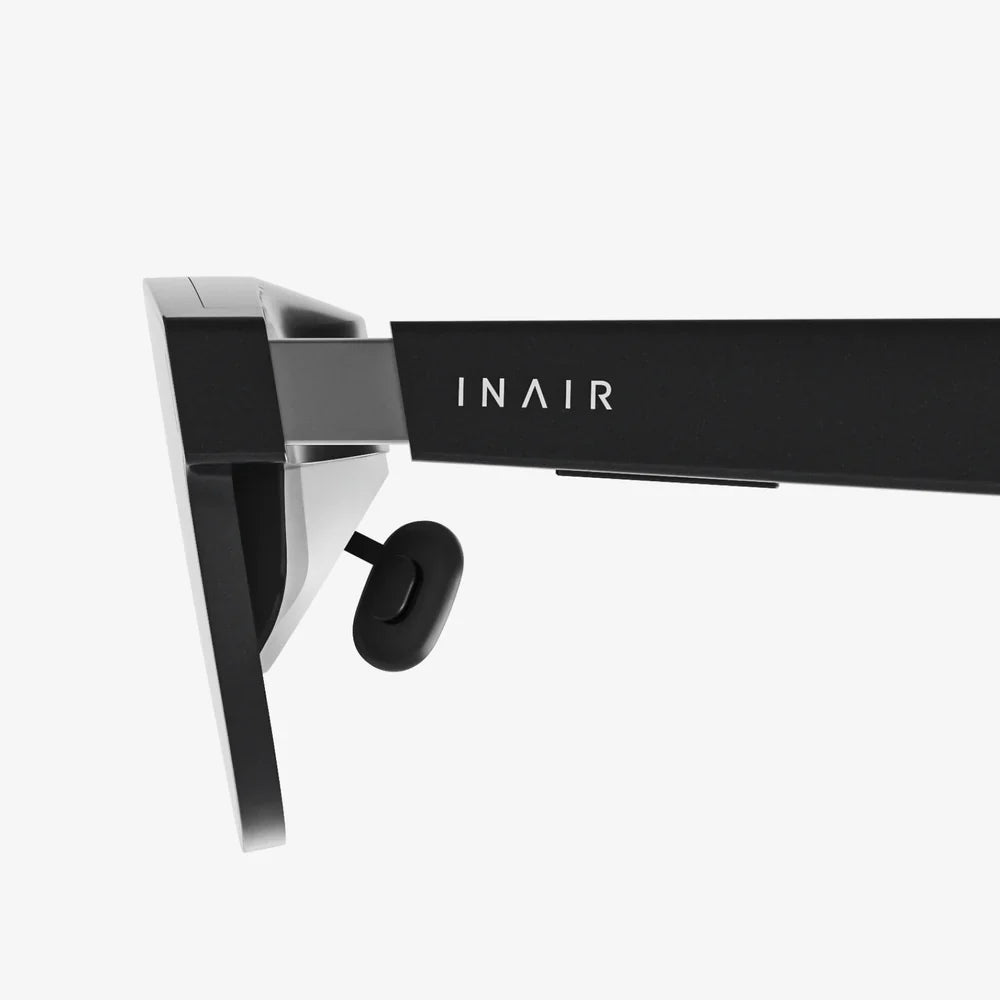
Imagine a world where your watch doesn't just tell time—it tells you you’re about to get sick, your ring doesn't just accessorize—it manages your stress, and your glasses don't just help you see—they help you understand and interact with the world in an entirely new way. This is not a distant sci-fi fantasy; it is the emerging reality, forged at the powerful intersection of two of the most transformative technologies of our era: artificial intelligence and wearable tech. This convergence is creating a silent, symbiotic revolution, moving computing from our pockets onto our bodies and into the very fabric of our daily existence, promising to redefine the boundaries of human health, capability, and connection.
The Confluence of Two Technological Titans
To understand the magnitude of this shift, we must first appreciate the unique strengths that artificial intelligence (AI) and wearable technology bring to this partnership. Wearable tech, in its various forms—wristbands, smartwatches, rings, patches, glasses, and even smart fabrics—provides the critical, continuous data stream from the real world. It is the sensory apparatus, the ever-present witness to our physiological and environmental realities. For years, these devices collected vast troves of data—heart rate variability, sleep patterns, activity levels, blood oxygen saturation, and more—but often presented it to users as raw, static numbers on a dashboard. The true story within the data remained largely untold.
This is where artificial intelligence enters the stage. AI, particularly its sub-fields of machine learning (ML) and deep learning, acts as the brilliant cognitive engine. It is the discerning analyst that can find patterns, correlations, and anomalies in massive, complex datasets that would be utterly impenetrable to the human eye. By applying sophisticated algorithms to the biometric data harvested by wearables, AI transforms this raw information into actionable insights, predictive warnings, and personalized recommendations. The wearable is the body; the AI is the brain. One is inert without the other. Together, they form a closed-loop system of perception, analysis, and intervention that is fundamentally changing our relationship with technology and ourselves.
Revolutionizing Personalized Healthcare and Well-being
The most profound impact of this synergy is undoubtedly being felt in the realm of health and medicine. We are moving from a reactive model of healthcare—treating illness after it occurs—to a predictive and preventive paradigm.
Predictive Health and Early Detection
AI algorithms are now sophisticated enough to detect subtle deviations from an individual's personal health baseline that often precede major medical events. By continuously analyzing heart rate, rhythm, and other cardiovascular metrics, some systems can now identify patterns suggestive of atrial fibrillation (AFib), potentially preventing strokes. Researchers are exploring how combinations of data—resting heart rate, sleep quality, and respiratory rate—can serve as early warning signs for infections like the flu or even COVID-19, often before the individual feels any symptoms. This shift towards predictive health is perhaps the single greatest contribution of AI-powered wearables, turning our own bodies into early detection systems for disease.
Chronic Disease Management
For the millions living with chronic conditions like diabetes, hypertension, or heart disease, this technology is a game-changer. Continuous glucose monitors (CGMs) coupled with AI can predict blood sugar highs and lows, suggesting dietary adjustments or insulin doses in real-time. Wearable ECG patches allow for long-term, ambulatory monitoring of heart patients, providing cardiologists with a rich, AI-analyzed dataset far superior to a short, in-clinic snapshot. This empowers patients with unprecedented control over their conditions and provides clinicians with objective, continuous data to make more informed treatment decisions.
Mental Health and Cognitive Well-being
The fusion of AI and wearables is also expanding into mental health. By analyzing biomarkers of stress—such as heart rate variability, skin temperature, and electrodermal activity—devices can detect rising anxiety levels and prompt users to engage in guided breathing exercises or mindfulness sessions. AI can track sleep architecture with impressive accuracy, providing personalized coaching to improve sleep hygiene, a critical component of both mental and physical health. This technology is creating new, accessible avenues for managing stress, anxiety, and overall emotional well-being, democratizing mental health support.
Augmenting Human Performance and Productivity
Beyond the clinical sphere, AI-infused wearables are becoming powerful tools for enhancing human performance in everyday life, from the office to the athletic field.
The Quantified Self, Optimized
The "quantified self" movement has evolved from simple step counting to a holistic optimization engine. AI analyzes your sleep, activity, recovery, and daily habits to provide truly personalized recommendations. It’s no longer just about hitting 10,000 steps; it’s about understanding what type of workout your body needs today based on your recovery score, or being told the optimal time for you to drink coffee or schedule a demanding cognitive task based on your circadian rhythm and sleep data. This moves generic wellness advice into the realm of hyper-personalized bio-hacking.
Enterprise and Industrial Applications
In industrial and enterprise settings, this technology is enhancing safety and productivity. Smart glasses with AI-powered augmented reality (AR) overlays can guide warehouse workers through complex picking processes, display schematics for field technicians repairing machinery, or provide real-time translation for international teams. Wearable sensors can monitor workers' vitals in extreme environments, alerting them and supervisors to signs of heat stress or fatigue before it leads to an accident. The AI component is crucial, as it processes the immense flow of visual and biometric data to deliver the right information at the right time, hands-free.
The Invisible Interface: A New Paradigm of Interaction
Perhaps the most futuristic aspect of this convergence is the move towards ambient, invisible computing. The goal is to shift interaction away from screens and swipes towards seamless, intuitive, and context-aware communication.
Imagine smart earbuds that use AI to amplify the voice of the person you're talking to in a noisy room while suppressing background chatter. Or glasses that can recognize objects and people, providing relevant information directly into your field of vision. The AI acts as a perceptual secretary, deciding what information is important and how best to deliver it to you without causing cognitive overload. This technology promises to weave computing into the background of our lives, making it a helpful presence rather than a distracting device we must constantly curate.
The Ethical Labyrinth: Navigating Privacy, Bias, and Autonomy
With great power comes great responsibility, and the fusion of AI and wearables opens a profound ethical labyrinth that society must navigate with care.
Data Privacy and Security
The intimate nature of the data collected is unprecedented. These devices have the potential to create a permanent, digital twin of your physiological and behavioral existence. Where is this data stored? Who owns it? How is it used? Could it be sold to insurers, employers, or advertisers? The security of this data is also paramount; a breach of medical-grade biometric data is far more damaging than a breached password. Robust regulatory frameworks, transparent data policies, and advanced encryption are non-negotiable requirements for this technology to earn and keep public trust.
Algorithmic Bias and Equity
AI algorithms are only as good as the data they are trained on. If training data is predominantly from certain demographic groups (e.g., young, male, and affluent), the resulting AI models may be less accurate or effective for women, the elderly, or people of color. This could lead to misdiagnoses or ineffective recommendations, exacerbating existing health disparities. A concerted effort must be made to ensure diverse and representative datasets are used to train these life-influencing algorithms to avoid building a new form of digital inequality.
Human Autonomy and Over-Reliance
As we cede more decision-making to algorithms—"My watch says I'm stressed, so I must be"—we risk deskilling our own innate bodily awareness and intuition. There is a danger of becoming slaves to the data, anxious if we don't hit our "target" sleep score or overly reliant on a device to tell us how we feel. The technology should serve as a tool for empowerment and awareness, not a source of anxiety or a replacement for human intuition and professional medical advice. Maintaining a healthy balance between data-driven insight and personal autonomy is a critical challenge.
The Future Weave: Where Do We Go From Here?
The trajectory of this technology points towards even deeper integration. We are moving beyond wearables to "insideables" and implantables—miniaturized sensors that are ingested or implanted to provide even more precise, continuous internal monitoring. Smart fabrics with woven sensors will turn our clothing itself into a health monitoring platform. Brain-computer interfaces (BCIs), though in early stages, represent the ultimate frontier, aiming to create a direct communication link between the brain and external devices, potentially restoring function to those with disabilities and creating new forms of interaction.
In this future, the line between user and device will blur into a continuous feedback loop. The AI will become less of a tool and more of a partner in our health and daily existence, anticipating our needs and managing our well-being with a precision we can scarcely imagine today. The potential to eradicate diseases, enhance human potential, and create a more intuitive relationship with technology is immense. But so is the potential for a dystopian future of surveillance, bias, and diminished humanity.
The path we take is not predetermined by the technology itself, but by the choices we make today. It will be shaped by developers who prioritize ethical design, by regulators who create smart guardrails that protect without stifling innovation, and by users who demand transparency, equity, and control over their most personal data. The silent, symbiotic revolution of artificial intelligence and wearable tech is already here, quietly ticking on our wrists, and its ultimate impact—whether it becomes a force for unprecedented human flourishing or a source of new divides—rests entirely in our hands. The promise of a healthier, safer, and more capable future is within reach, but it is a future we must actively and thoughtfully build together.
Share:
How Do OLED Microdisplays Work: A Deep Dive into the Tiny Tech Powering Next-Gen Visuals
AR Optima The Future of Augmented Reality and Human Potential