


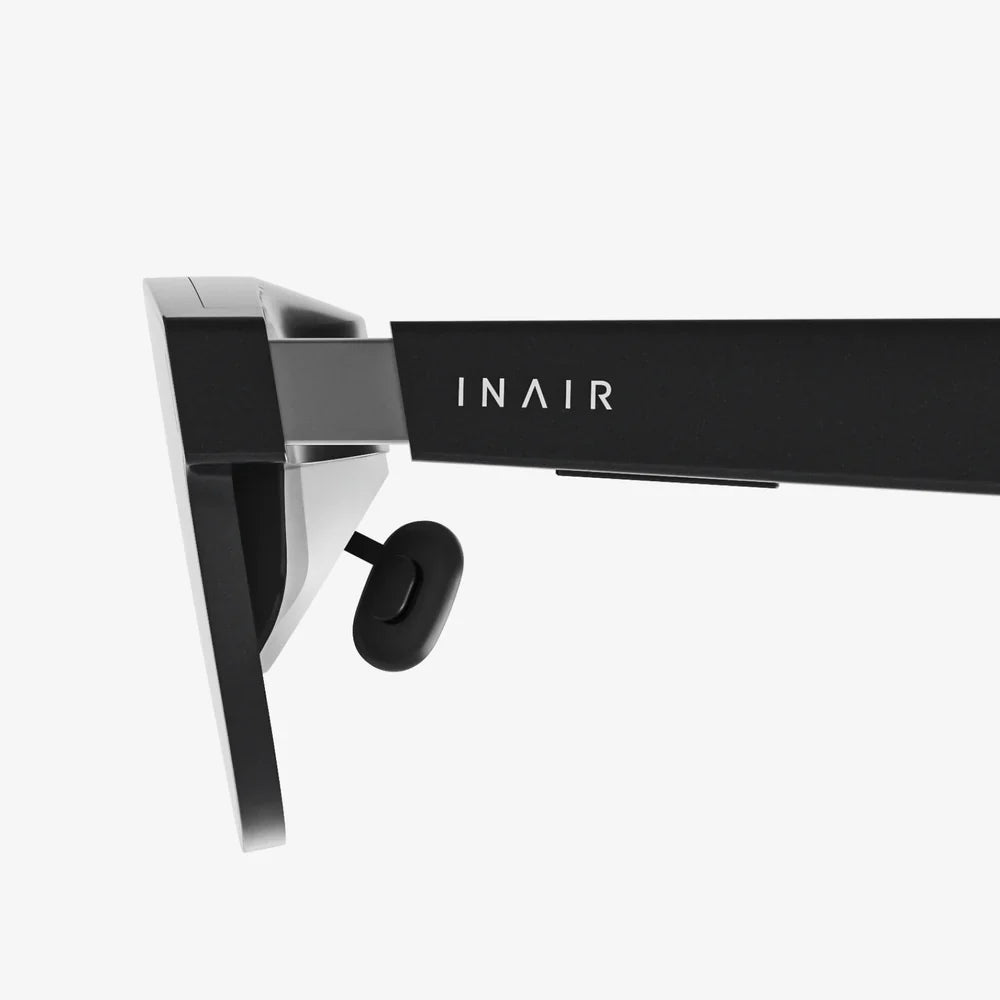
Imagine a world where the information you need appears not on a screen you hold, but seamlessly within your line of sight, leaving your hands free to build, fix, and create. This isn't science fiction; it's the practical, powerful promise of a technology known as assisted reality. While its flashier cousins, virtual and augmented reality, often dominate headlines, assisted reality is quietly revolutionizing industries by keeping workers present, focused, and supremely efficient. But what exactly is it? Understanding the precise assisted reality definition is the first step to unlocking its transformative potential.
Demystifying the Core Concept
At its simplest, the assisted reality definition describes a technology that projects contextual, hands-free digital information into a user's field of view within a see-through display. Unlike other immersive technologies, it does not seek to replace or significantly alter the user's perception of the real world. Instead, its primary function is to assist the user by providing data, instructions, or communication tools without obstructing their view or demanding physical interaction with a device.
The core tenets of assisted reality are:
- See-Through Display: The user always maintains a direct, unmediated view of their physical environment. The digital information is overlaid onto this real-world view, typically on a monocular or binocular display that resembles safety glasses or a visor.
- Contextual Information: The data presented is relevant to the task at hand. This could be a equipment schematic for a technician, a picking list for a warehouse worker, or a patient's vital signs for a surgeon.
- Heads-Up and Hands-Free: This is the most critical aspect. Information is presented in a "heads-up" manner, eliminating the need to look down at a tablet, clipboard, or computer monitor. This frees the user's hands to continue working, dramatically improving safety and efficiency.
- Low Immersion, High Focus: Assisted reality is designed for situational awareness. It keeps the user engaged with their environment, not isolated from it. The digital layer is supplementary, not primary.
How Assisted Reality Works: The Technology Behind the Term
The technology required to deliver on the assisted reality definition is both sophisticated and elegantly simple. A typical assisted reality system comprises three key components:
- The Wearable Display: This is the most visible element. It is a lightweight, wearable device, often taking the form of a monocular eyepiece or a pair of glasses. These displays use optical waveguides or micro-projectors to beam information onto a transparent lens. The key is that the lens is clear, allowing the real world to be seen without distortion. The display is connected to a processing unit, which may be integrated into the frame or housed in a separate device worn on the body.
- The Processing Unit: This is the brain of the operation. It can be a small, powerful computer worn on a belt or in a pocket, or in some newer models, it is integrated directly into the glasses frame. This unit runs the software, processes data, manages wireless connections, and handles the computation needed to render the digital interface.
- The Software and Connectivity: The true power of assisted reality is unlocked through software. This includes the operating system, applications tailored for specific tasks, and platforms that integrate with existing enterprise systems like Enterprise Resource Planning (ERP) or Warehouse Management Systems (WMS). Connectivity via Wi-Fi, cellular networks (like 5G), and Bluetooth allows for real-time data access, remote collaboration, and cloud computing.
The user interacts with the system primarily through voice commands, touchpads on the glasses frame, or external controllers. This ensures the hands-free promise is kept, allowing for continuous workflow.
The Critical Divide: Assisted Reality vs. Augmented Reality vs. Virtual Reality
To fully grasp the assisted reality definition, it must be clearly distinguished from the broader spectrum of extended reality (XR) technologies. The confusion often arises because all these technologies can involve wearable displays.
Virtual Reality (VR) is fully immersive. It completely blocks out the physical world and transports the user to a computer-generated digital environment. VR requires powerful headsets and is used for training simulations, gaming, and virtual tours. The user is isolated from their immediate surroundings.
Augmented Reality (AR) is interactive and immersive. It superimposes digital objects onto the real world, but it often involves complex computer vision to understand and interact with the environment. AR can occlude (hide) real-world objects behind digital ones and allows for interaction between the digital and the physical. It is often experienced through smartphones or more advanced headsets. AR seeks to blend the worlds.
Assisted Reality (aR) is non-immersive and informative. It presents a layer of contextual data that floats in the user's view but does not interact with the physical environment. It does not require complex environmental understanding. Its goal is not to blend worlds but to provide a constant, unobtrusive heads-up display for the real world. Think of it as a persistent, transparent tablet screen that you never have to hold.
The simplest analogy: If VR is like being inside a video game, and AR is like having a game character appear on your desk, then assisted reality is like having the game's control panel and stats permanently visible on a clear screen in front of you while you go about your day.
Transforming Industries: Assisted Reality in Action
The practical applications of assisted reality are vast and are already delivering measurable Return on Investment (ROI) across numerous sectors. By providing instant access to information and expertise, it solves real-world problems of efficiency, accuracy, and safety.
Manufacturing and Field Services
This is where assisted reality shines brightest. Technicians performing complex repairs or assembly can have schematics, work orders, and instruction manuals displayed in their line of sight. They can follow step-by-step guides without pausing to consult a physical manual or a tablet with dirty hands. Furthermore, they can stream their point-of-view live to a remote expert located anywhere in the world. This expert can see what the technician sees, annotate the live video feed with arrows and circles, and guide them through the process, drastically reducing resolution times, travel costs, and the need for a specialist on every site.
Logistics and Warehousing
In fast-paced fulfillment centers, order pickers using assisted reality glasses see their picking lists and bin locations directly in their vision. This eliminates the constant back-and-forth looking at handheld scanners or paper lists, reducing walking time and errors. Their hands remain free to handle packages, leading to significant gains in picking speed and accuracy, directly impacting the bottom line.
Healthcare
Surgeons and nurses can access critical patient information, such as vital signs, surgical plans, or allergy alerts, without turning away from the operating table or the patient. This improves focus and can enhance patient safety. It also facilitates remote mentoring and consultation, allowing experienced surgeons to guide less experienced colleagues through complex procedures from miles away.
Other Sectors
The applications extend to aviation for maintenance checks, in construction for reviewing building plans on-site, and in public safety for first responders to access building layouts and critical data while keeping their hands free to help.
The Human and Business Impact: Beyond the Hype
The value of assisted reality is not merely technological; it is profoundly human and operational.
- Increased Productivity: Studies consistently show double-digit percentage increases in tasks like order picking, assembly, and repair by reducing task time and eliminating unnecessary motions.
- Improved Quality and Accuracy: Providing the right information at the right time drastically reduces human error. Workers are guided through complex processes correctly the first time.
- Enhanced Safety: The hands-free nature of the technology is a major safety benefit in industrial settings. Workers can keep both hands on their tools and maintain awareness of their surroundings, reducing the risk of accidents.
- Knowledge Capture and Transfer: Assisted reality platforms create a powerful framework for capturing the expertise of veteran workers and seamlessly transferring it to new employees through recorded sessions and remote guidance, mitigating the impact of a retiring workforce.
- Worker Empowerment: These tools empower frontline workers with instant knowledge and support, boosting confidence and job satisfaction.
The Future is Assisted
As the technology evolves, we can expect assisted reality devices to become even lighter, more powerful, and more energy-efficient, with longer battery life. Integration with Artificial Intelligence (AI) and the Internet of Things (IoT) will make the information provided even more intelligent and predictive. AI could analyze a worker's task and proactively serve up the most relevant data or alert them to potential issues. Connectivity through high-speed, low-latency 5G networks will make remote collaboration smoother and more responsive than ever before.
The journey towards more intuitive human-computer interaction is ongoing. While futuristic AR glasses that seamlessly blend digital and physical are the long-term vision for many, assisted reality is the pragmatic, powerful, and available technology that is delivering tangible value today. It represents a fundamental shift from looking down at technology to looking ahead with it.
Forget the dystopian visions of humans lost in digital overlays; the true assisted reality definition is about enhancing human capability without diminishing human presence. It’s the silent partner for the frontline worker, the invisible expert guiding a complex procedure, and the clear window to a more efficient, safer, and profoundly connected way of working. This isn't just a step forward in technology; it's a leap forward in empowering the human potential within the most critical industries that power our world.
Share:
What's the Deal with Smart Glasses? The Hype, Hope, and Hurdles of Wearable Tech
Augmented Reality Glasses Early: The Prototype Era That Shaped Our Digital Future