


- by wangfred
Augmented Reality Companies Market: A Deep Dive into the Digital Overlay Revolution
- by wangfred
Imagine a world where digital information isn't confined to a screen but is seamlessly woven into the fabric of your everyday life. You look at a complex machine, and its internal components and repair instructions are overlaid directly onto your field of view. You walk through a city, and historical facts and restaurant reviews float beside the corresponding buildings. This is the promise of augmented reality (AR), and the engine driving this revolution is the fiercely competitive and innovative augmented reality companies market. This sector is not just about futuristic gadgets; it's a foundational shift in computing, creating a new layer of reality that promises to transform industries, redefine consumer experiences, and unlock trillions in economic value. The race to own this spatial layer of the internet is on, and its trajectory is one of the most compelling stories in modern technology.
At its heart, the value proposition of any company in the augmented reality space hinges on its mastery of a complex stack of technologies. The market is segmented not just by application but by the core tech that enables digital overlay.
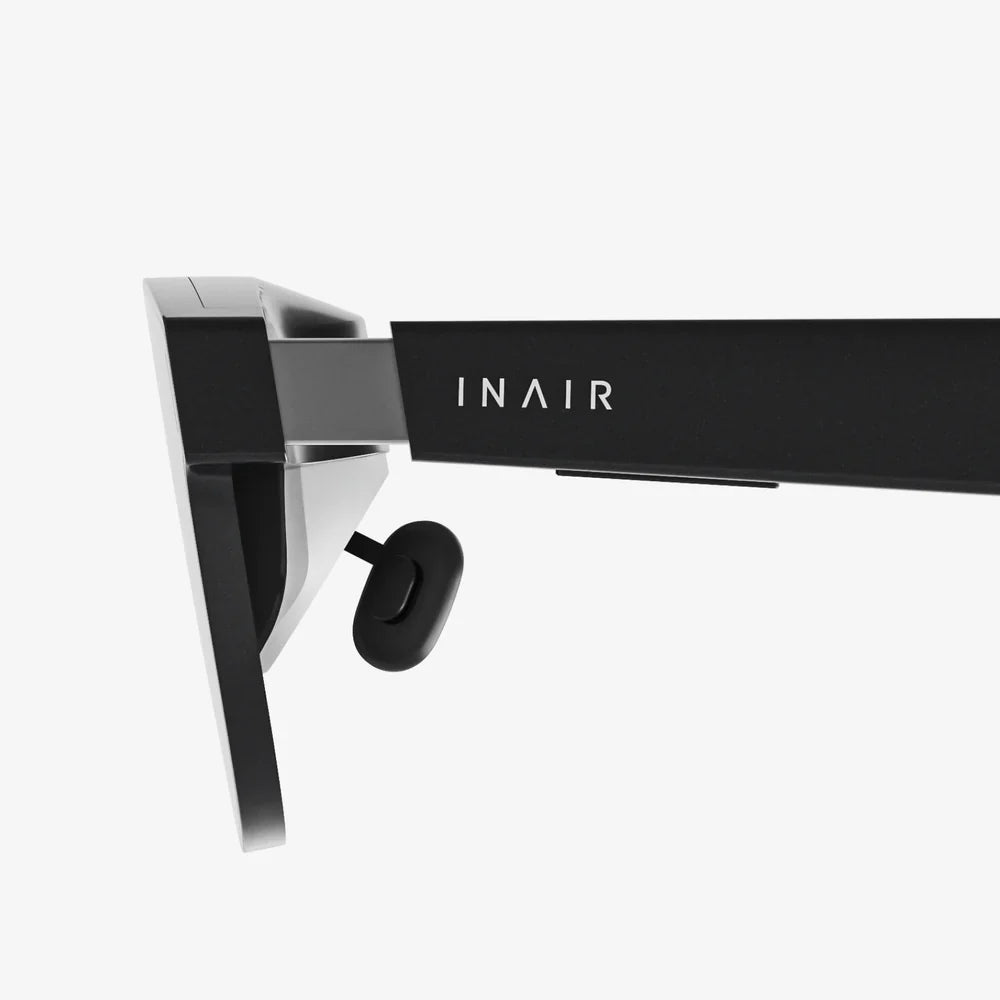
The most visible segment of the market is hardware. This encompasses the devices through which users experience AR. Head-mounted displays (HMDs) range from enterprise-grade smart glasses, designed for durability and long battery life for field technicians and warehouse operators, to sleek consumer-focused models aimed at everyday use. The development of these devices is a monumental challenge, requiring breakthroughs in display technology (like micro-LED and laser beam scanning), processing power, battery efficiency, and form factor. The goal is to create devices that are powerful, socially acceptable, and comfortable enough for all-day wear.
Beyond wearables, the smartphone remains the dominant AR gateway for consumers. Mobile AR leverages the powerful sensors and cameras in ubiquitous smartphones and tablets, using marker-based or markerless tracking to superimpose digital content. This low-friction access point has been instrumental in introducing billions of users to basic AR experiences, from social media filters to interactive gaming. Another critical hardware category is AR-enabled projection systems, which dynamically project instructions and information onto physical surfaces in industrial settings, guiding assembly line workers or simplifying complex manual tasks.
If hardware is the body, software is the nervous system. This segment is arguably the most critical for long-term market dominance. It includes:
This is where the technology meets the user and generates tangible return on investment. The application layer is vast and diversifying rapidly:
The augmented reality companies market is not expanding in a vacuum. Its growth is fueled by a powerful confluence of technological, economic, and social factors.
The rollout of high-speed, low-latency 5G networks is a critical enabler for more complex and cloud-rendered AR experiences. It reduces the processing burden on the device itself, allowing for thinner, lighter glasses by offloading heavy computation to the edge cloud. This enables real-time, multi-user experiences and seamless streaming of high-fidelity holographic content, breaking down a significant hardware barrier.
In a competitive global economy, businesses are constantly seeking a productivity edge. AR delivers measurable improvements in efficiency, accuracy, and safety. The clear ROI in reducing errors, shortening training times, and minimizing downtime for complex machinery is driving massive investment from Fortune 500 companies across manufacturing, aerospace, and field services. This enterprise demand provides the stable revenue base that allows hardware and software companies to invest in R&D for the consumer market of the future.
Progress in artificial intelligence and computer vision is directly accelerating AR capabilities. AI algorithms are becoming exceptionally good at understanding scenes, recognizing objects, and tracking surfaces with high precision, even in challenging lighting conditions. Simultaneously, improvements in sensor technology (like depth sensors and LiDAR now common in mobile devices) provide the rich spatial data needed for convincing AR. These advancements are making AR experiences more stable, realistic, and easier to develop.
Despite the exciting potential, the path forward for companies in the AR market is fraught with significant challenges that must be addressed for mainstream adoption.
The dream device—powerful, all-day battery life, socially acceptable, wide field-of-view, and affordable—remains elusive. Current technology often forces trade-offs. High-processing power drains batteries quickly. A wide field of view can lead to bulkier designs. Achieving the perfect blend of performance, comfort, and cost is the single greatest challenge for hardware-focused companies. Consumer adoption will remain limited until this hurdle is cleared.
Hardware is useless without compelling software. Building a robust ecosystem of applications is a chicken-and-egg problem: developers are hesitant to invest heavily in creating content for a small user base, but users won't adopt the technology without a strong library of apps. Major platform companies are trying to solve this by heavily investing in developer tools and incentives, but building a self-sustaining ecosystem takes time and critical mass.
AR devices, by their very nature, are equipped with always-on cameras and sensors that continuously scan the user's environment. This raises profound questions about data collection, privacy, and security. Where is this incredibly detailed spatial data stored? Who owns it? How is it used? Companies in this space must build trust from the ground up with transparent policies and perhaps even hardware features like physical camera shutters. A major privacy scandal could severely damage public trust and derail the entire market.
The future of the augmented reality companies market points toward a gradual evolution rather than a sudden revolution. The next decade will likely see the continued dominance of smartphone-based AR for casual consumer experiences, while enterprise-grade smart glasses become standard issue in numerous industrial and commercial roles. The true inflection point for mass consumer adoption will be the arrival of stylish, lightweight AR glasses that offer a clear value proposition beyond the smartphone. This could take the form of contextual information displays, advanced navigation, and seamless integration with our digital lives, effectively replacing the smartphone as our primary connected device. The companies that succeed will be those that solve the deep technical challenges, navigate the complex ethical landscape, and most importantly, create experiences that are not just novel, but genuinely useful and indispensable.
We are standing at the precipice of a fundamental recalibration of human-computer interaction. The decisions made by developers, investors, and policymakers today will shape the immersive reality of tomorrow. The potential is staggering—a world where digital intelligence amplifies human capability, making us smarter, more efficient, and more connected to the information that surrounds us. The journey from a nascent technology to a ubiquitous utility is underway, and its progress will be one of the defining narratives of the 21st century.
Share:
Future AR Glasses Powered by AI: The Next Paradigm in Human-Computer Interaction
What Are The 3 Types Of Augmented Reality? A Guide To Marker-Based, Markerless & Projection AR