


Imagine pointing your smartphone at a seemingly ordinary product catalog and watching as a three-dimensional model springs to life, rotating in mid-air above the page, responding to your touch as you explore its features from every angle. This isn't science fiction—it's the powerful reality of augmented reality content marketing, a technological revolution that's transforming passive consumers into active participants and creating immersive brand experiences that were unimaginable just a few years ago.
The Fundamental Shift in Consumer Engagement
The digital landscape has created increasingly distracted audiences with dwindling attention spans. Traditional content formats—blogs, social media posts, videos—must now compete in an oversaturated market where consumers have developed banner blindness and sophisticated filtering mechanisms. This environment demands a radical new approach to capturing and maintaining consumer attention.
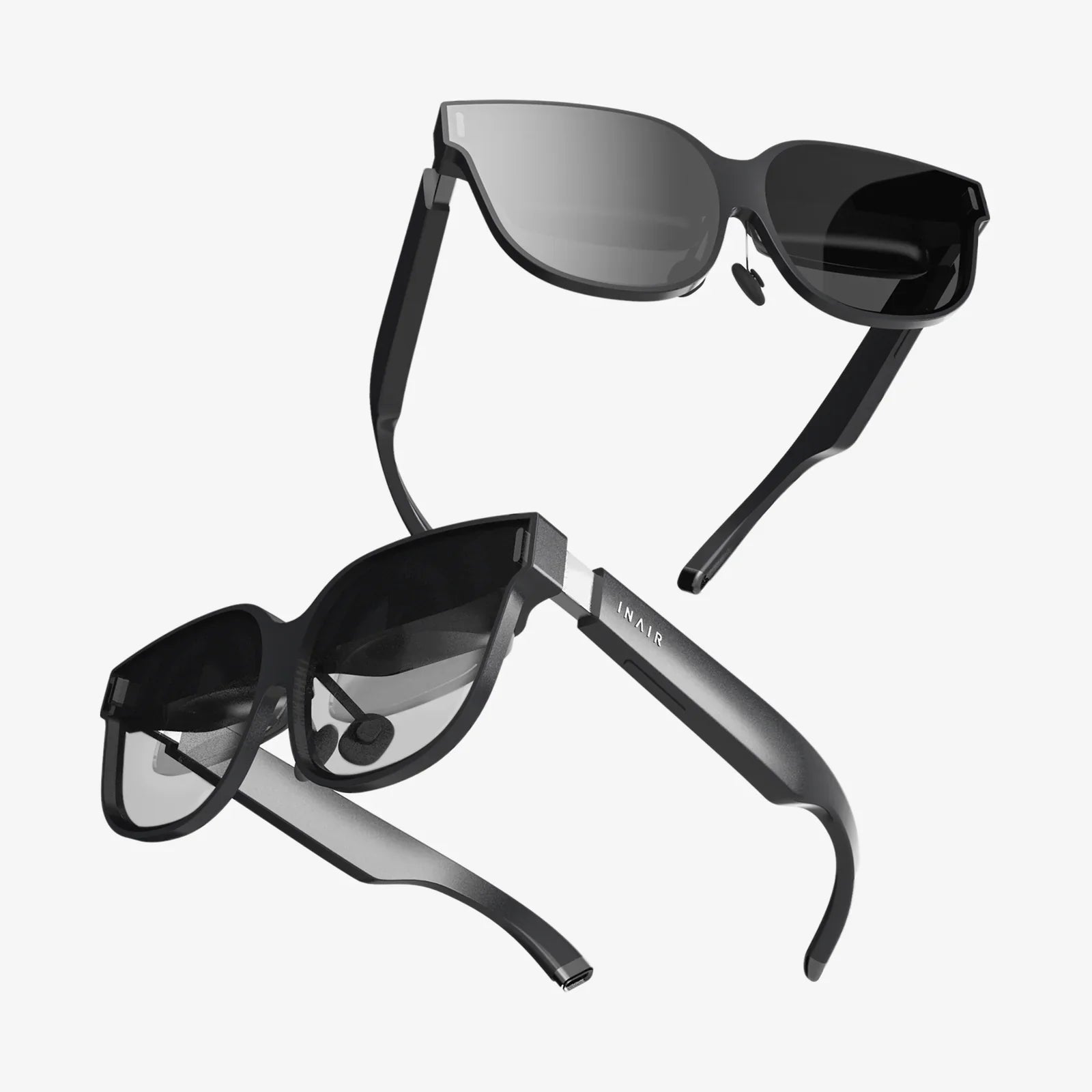
Augmented reality content marketing represents this paradigm shift by bridging the digital and physical worlds in a way that feels both magical and practical. Unlike virtual reality, which requires complete immersion in a digital environment, AR enhances rather than replaces reality, making it more accessible and immediately applicable to everyday experiences. This technology overlays computer-generated information—images, text, animations, 3D models—onto the user's real-world view through smartphone cameras, tablets, or AR glasses.
The psychological impact of this interactive experience cannot be overstated. When users actively participate in content rather than passively consume it, they form stronger emotional connections with the material. This participatory nature triggers the brain's reward centers, creating positive associations with the brand and significantly improving information retention. Studies have shown that interactive content experiences can increase retention rates by up to 70% compared to passive viewing.
How Augmented Reality Transforms Content Marketing Strategy
Integrating AR into content marketing requires rethinking traditional approaches to audience engagement. The technology enables several transformative applications:
Product Visualization and Virtual Try-Ons
One of the most powerful applications of AR in marketing allows consumers to visualize products in their own space or on their person before making a purchase. Furniture retailers enable customers to see how a sofa would look in their living room, complete with accurate sizing and color matching. Fashion brands offer virtual fitting rooms where shoppers can try on clothing, accessories, or eyewear without visiting a physical store. This functionality not only enhances the shopping experience but significantly reduces purchase hesitation and return rates.
Interactive Print Media and Packaging
AR breathes new life into traditional print materials by making them dynamic and interactive. A product package, magazine ad, or brochure can become an engaging portal to digital content when viewed through an AR-enabled device. Consumers can scan a cereal box to play educational games, point their phone at a movie poster to watch trailers, or interact with a wine label to learn about its vineyard origins. This creates a seamless omnichannel experience that connects physical and digital touchpoints.
Immersive Storytelling and Brand Experiences
Forward-thinking brands are using AR to create rich narrative experiences that transport consumers into their brand world. Rather than telling a story, they allow customers to experience it firsthand. A history brand might recreate historical events in the user's environment, while a travel company could bring destination highlights to life in the consumer's living room. This emotional, immersive storytelling forges deeper brand connections than traditional media ever could.
Gamified Marketing Campaigns
The phenomenal success of location-based AR games demonstrated the engagement potential of gamified AR experiences. Marketers can adapt this approach by creating branded games, scavenger hunts, or interactive challenges that encourage exploration and social sharing. These campaigns drive foot traffic to physical locations, increase dwell time with branded content, and generate organic social media exposure through user-shared experiences.
Enhanced Educational and How-To Content
Complex instructions become intuitive with AR overlays that demonstrate processes step-by-step in the user's actual environment. Assembly instructions can show virtual guides directly on the physical components, cooking apps can project recipe instructions onto ingredients, and fitness brands can demonstrate proper form through virtual trainers. This practical application positions brands as helpful resources rather than mere sellers of products.
Implementing an Effective AR Content Strategy
Successfully integrating augmented reality into content marketing requires strategic planning and execution. The following framework ensures AR initiatives deliver measurable results:
Start with Clear Objectives
AR should serve specific business goals rather than being implemented as a novelty. Whether the aim is increasing conversion rates, reducing returns, improving engagement metrics, or enhancing brand recall, every AR initiative should align with defined KPIs. The technology works best when it solves a genuine consumer problem or enhances an existing experience rather than functioning as a standalone gimmick.
Prioritize Accessibility and Ease of Use
The most successful AR experiences require minimal friction for users. Marker-based AR that recognizes existing objects (like products or print materials) often outperforms experiences that require downloading specific apps or scanning obscure QR codes. Web-based AR that works directly through mobile browsers has significantly higher engagement rates than app-based solutions that create barriers to entry. The experience should be intuitive, with clear instructions and immediate value delivery.
Create Share-Worthy Experiences
AR content naturally lends itself to social sharing when designed with virality in mind. Experiences that surprise, delight, or provide practical value are more likely to be shared organically. Incorporating photo and video capture functionality within the AR experience encourages users to create and share their interactions with branded content, effectively becoming brand advocates within their social networks.
Ensure Cross-Platform Compatibility
With diverse device capabilities across iOS and Android platforms, AR experiences must be optimized to perform consistently across different devices and operating systems. Progressive enhancement strategies ensure that users with older devices can still access content, even if with reduced functionality, while those with advanced capabilities enjoy the full immersive experience.
Measure and Iterate Based on Data
AR platforms provide rich analytics including interaction times, completion rates, heat maps of user engagement, and conversion metrics. This data should inform ongoing optimization of AR content. A/B testing different approaches, triggers, and user interfaces helps refine the experience over time to maximize engagement and conversion rates.
Overcoming Implementation Challenges
Despite its potential, AR content marketing presents several challenges that marketers must address:
Technical Complexity and Development Costs
Creating high-quality AR experiences requires specialized skills in 3D modeling, animation, and spatial computing. While development costs have decreased as tools have become more accessible, producing polished AR content still represents a significant investment. Marketers should start with smaller pilot projects to demonstrate ROI before scaling their AR initiatives.
User Education and Adoption
Although AR technology has become mainstream through social media filters and mobile games, some users still need guidance on how to access and interact with AR content. Clear calls-to-action and simple instructions are essential for driving adoption. The value proposition must be immediately apparent to overcome user hesitation.
Balancing Novelty with Substance
The wow factor of AR can initially attract attention, but sustainable engagement requires substantive content that delivers ongoing value. Successful AR marketing integrates the technology seamlessly into valuable content experiences rather than relying on technological novelty alone. The AR element should enhance rather than overshadow the core message.
Privacy Considerations
AR applications often require camera access and location data, raising legitimate privacy concerns. Transparent data policies and minimal data collection build user trust. Experiences should be designed to function with minimal permissions whenever possible, with clear communication about how data will be used.
The Future Landscape of AR Content Marketing
As AR technology continues to evolve, several trends will shape its application in content marketing:
Wearable AR Devices
The eventual mainstream adoption of AR glasses will create always-available augmented experiences, moving beyond smartphone-based interactions to seamless environmental overlays. This will enable context-aware content that responds to the user's location, gaze, and even emotional state through biometric sensors.
AI Integration
Artificial intelligence will enhance AR content through personalization, real-time object recognition, and adaptive experiences. AI algorithms will customize AR content based on user preferences, past behavior, and immediate context, creating uniquely relevant experiences for each individual.
Spatial Computing and Persistent AR
Advanced AR will enable persistent digital content that remains anchored to specific locations, creating shared experiences that multiple users can interact with simultaneously. This will revolutionize location-based marketing, events, and collaborative experiences.
Multi-Sensory Experiences
Future AR will incorporate haptic feedback, spatial audio, and eventually olfactory elements to create fully immersive multi-sensory marketing experiences. This heightened realism will deepen emotional connections and make virtual experiences increasingly indistinguishable from physical ones.
Measuring the ROI of AR Content Initiatives
Unlike traditional content metrics, AR experiences provide unique measurement opportunities including:
Dwell Time: AR experiences typically achieve significantly longer interaction times than traditional digital content, with average engagement rates 3-5 times higher than video content.
Conversion Lift: AR-driven product visualization has been shown to increase conversion rates by up to 40% while reducing return rates by as much as 25%.
Social Amplification: Shareable AR experiences generate organic reach, with user-generated content often achieving higher engagement rates than brand-created content.
Brand Recall and Sentiment: Interactive AR experiences produce brand recall rates 70% higher than non-interactive content, with significantly improved brand perception metrics.
These metrics, combined with traditional conversion tracking, provide a comprehensive view of AR's impact on marketing objectives.
The brands that will dominate the next decade of marketing aren't those with the biggest budgets or loudest messages, but those that create the most meaningful connections through experiences that blur the line between imagination and reality. As AR technology becomes increasingly accessible and consumers more receptive to immersive experiences, the question is no longer whether to incorporate augmented reality into content marketing strategies, but how quickly you can develop experiences that transform how your audience sees—and interacts with—the world around them.
Share:
Best XR Glasses for Movies: Your Ultimate Guide to Cinematic Immersion
Augmented Reality vs Great Depression: A Vision for Healing Historical Trauma