


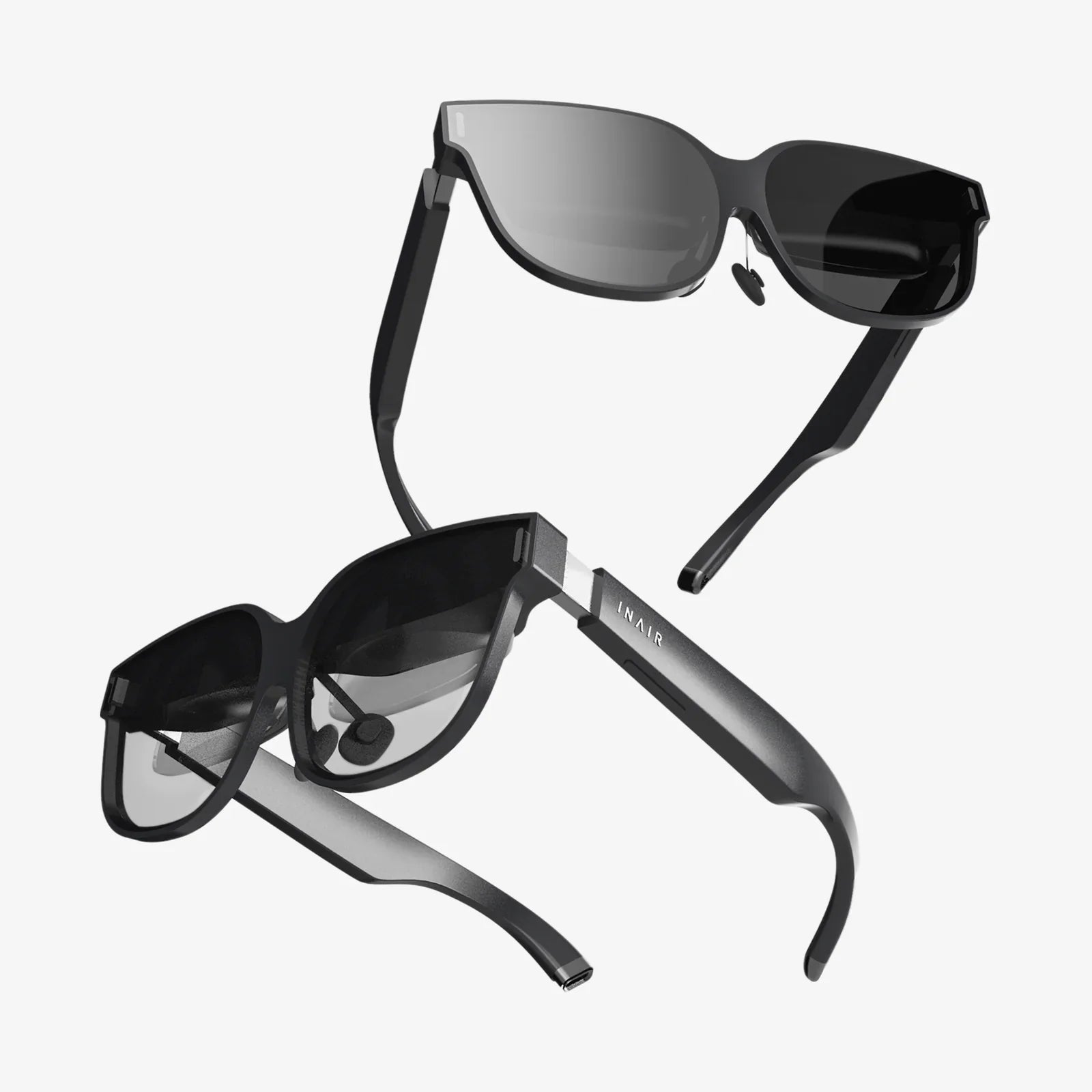
Imagine a world where every surface, object, and space holds a hidden layer of information, narrative, and utility, accessible only through the lens of your device. This is no longer the realm of science fiction; it is the burgeoning reality being built today through the rapid evolution of augmented reality content. This digital stratum, seamlessly interwoven with our physical environment, is poised to revolutionize everything from how we shop and learn to how we connect and create. The screen is dissolving, and the world itself is becoming the interface.
Beyond the Novelty: Defining the Digital Stratum
At its core, augmented reality content is any digital information—be it 3D models, video, audio, or text—that is spatially mapped and anchored to the real world. Unlike Virtual Reality (VR), which seeks to replace reality with a simulated one, AR aims to augment and enhance our existing perception. This content is not confined to a rectangle; it exists in and interacts with the space around us, respecting physical boundaries and occluding behind real-world objects, creating a convincing illusion of coexistence.
The creation of this content involves a sophisticated stack of technologies. Simultaneous Localization and Mapping (SLAM) algorithms allow devices to understand their position in a space and map its geometry. Object recognition powered by machine learning enables digital content to interact with specific items, like a virtual instruction manual attached to a physical engine. Rendering engines then composite this digital information in real-time, adjusting for lighting and perspective to maintain the crucial illusion of presence. This technological symphony makes persistent and interactive augmented experiences possible.
The Industrial Metamorphosis: AR Content at Work
While consumer applications often grab headlines, the most profound impact of augmented reality content is currently felt in industrial and enterprise settings. Here, the technology is not a toy but a critical tool driving efficiency, safety, and precision.
- Manufacturing and Assembly: Complex assembly lines are being transformed by AR work instructions. Instead of poring over thick paper manuals or looking back and forth at a static screen, technicians wearing smart glasses or using tablets can see digital arrows, holographic parts, and animated instructions overlaid directly onto the machinery they are assembling. This reduces errors, drastically cuts training time, and improves overall productivity.
- Field Service and Repair: A specialist located thousands of miles away can now see what a field technician sees through their AR headset. The remote expert can then draw digital annotations into the technician's field of view, highlighting specific components, providing guidance, and streamlining complex repairs. This "see-what-I-see" capability democratizes expertise and reduces the need for costly travel.
- Design and Prototyping: Architects, interior designers, and product engineers are using AR to visualize their creations at scale and in situ. A full-scale holographic model of a new building's HVAC system can be projected onto a construction site before a single pipe is laid, allowing for clash detection and design validation. Consumers can place virtual furniture in their living room to check for size and aesthetic fit, eradicating the guesswork from online shopping.
- Logistics and Warehousing: In massive distribution centers, AR glasses can display optimal picking routes, directly highlight the location of items on shelves, and verify picks using visual recognition, all while leaving the worker's hands free. This leads to fewer errors, faster fulfillment times, and a more streamlined logistics operation.
Redefining the Consumer Experience: From Retail to Recreation
The consumer landscape is being equally reshaped, moving past simple filters into more immersive and useful applications.
Retail and Try-Before-You-Buy: The fashion and beauty industries have been early adopters. Virtual try-on for glasses, makeup, and clothing is becoming increasingly sophisticated, allowing consumers to make more confident purchasing decisions from home. For large items like cars or appliances, AR can provide detailed, interactive 3D visualizations that far surpass static images.
Interactive Learning and Education: Textbooks are springing to life. A student studying anatomy can explore a beating heart hologram from every angle. A history class can walk through a reconstructed ancient Roman settlement overlaid on their school playground. This experiential learning fosters deeper engagement and understanding by making the abstract tangible.
Navigation and Contextual Information: The days of holding up a phone and trying to match a static map to a busy street are numbered. Next-generation AR navigation will project arrows and pathways onto the pavement itself, guiding you turn-by-turn through a city. Looking at a restaurant could instantly display its reviews and menu; gazing at a monument could reveal its history, all layered seamlessly over your view of the world.
Storytelling and Entertainment: Narrative is escaping the screen. Location-based AR experiences are creating immersive games and stories that unfold in public parks, museums, and city streets. This transforms passive consumption into active participation, blending physical exploration with digital discovery.
The Architect's Toolkit: Creating for a New Medium
Crafting compelling augmented reality content requires a unique blend of skills. It's a discipline that sits at the intersection of 3D design, user experience (UX), software development, and spatial reasoning.
Principles of Spatial Design: Designers must think in 360 degrees, considering how content will be viewed from all angles and how it interacts with a dynamic, unpredictable environment. The principles of good UX are amplified; interfaces must be minimal, contextual, and non-obtrusive to avoid overwhelming the user or, worse, creating real-world hazards. A poorly placed pop-up in a web browser is an annoyance; a poorly placed digital object in an AR view could cause someone to trip.
The Technical Stack: A suite of powerful software development kits and game engines form the backbone of AR creation. These platforms provide the tools for SLAM, plane detection, occlusion, and environmental understanding, allowing developers to build applications that can see and comprehend the world. The shift towards WebAR is also significant, as it allows users to access AR experiences directly through a web browser without needing to download a dedicated app, lowering the barrier to entry immensely.
Navigating the Obstacles: The Path to Ubiquity
For all its promise, the widespread adoption of augmented reality content faces significant hurdles that must be overcome.
- Hardware Limitations: For AR to become an all-day, everyday technology, the hardware must evolve. Current smart glasses often struggle with factors like battery life, field of view, comfort, and social acceptability. The ultimate goal is a pair of lightweight, stylish glasses that can seamlessly blend digital and real-world content for hours on end—a feat of engineering that is still on the horizon.
- Digital Divide and Accessibility: The reliance on powerful smartphones or expensive dedicated hardware risks creating a new digital divide. Ensuring that these transformative experiences are accessible across socioeconomic lines is a critical challenge for developers and policymakers alike.
- The Privacy Paradox: AR devices, by their very nature, are equipped with cameras and sensors that continuously scan their environment. This raises profound questions about data collection, surveillance, and privacy. Who has access to the video feed from your glasses? How is spatial data about your home being used and stored? Establishing clear, ethical, and user-centric frameworks for data handling is paramount to earning public trust.
- Content Discovery and the "AR Cloud": How do you find digital content that is anchored to a specific location? The development of a persistent, shared spatial map—often called the AR Cloud—is essential for multi-user experiences and persistent content. This would allow anyone to leave a virtual note on a landmark or see the same virtual sculpture in a town square, creating a shared layer of reality.
A Glimpse into the Future: The Invisible Interface
Looking ahead, the trajectory of augmented reality content points toward a world where the technology becomes so integrated that it fades into the background, becoming an invisible interface.
We are moving towards contextually intelligent AR, where systems will anticipate our needs based on our environment, gaze, and habits. Your glasses could automatically translate a street sign in a foreign language, highlight the name of a colleague you met once years ago at a conference, or warn you of a potential hazard on the road ahead before you even perceive it.
This evolution will culminate in what is often termed the "hyperconnected reality," where the physical and digital worlds are not just linked but fused into a single, coherent experience. It will redefine human-computer interaction, moving us beyond the tyranny of the keyboard and touchscreen to a more intuitive, natural, and immersive way of accessing the vast resources of the digital universe.
The true potential of augmented reality content lies not in flashy gimmicks, but in its ability to make us more capable, more connected, and more informed. It promises to augment not just our reality, but our humanity—enhancing our senses, extending our memory, and expanding our understanding of the world around us. The curtain is rising on this new digital stratum, and it invites us all to look closer and see the invisible world waiting to be explored.
Share:
New XR Glasses Are Redefining Reality: The Ultimate Guide to the Next Digital Revolution
Screen Vision Glasses: The Ultimate Guide to Digital Eye Strain Relief