


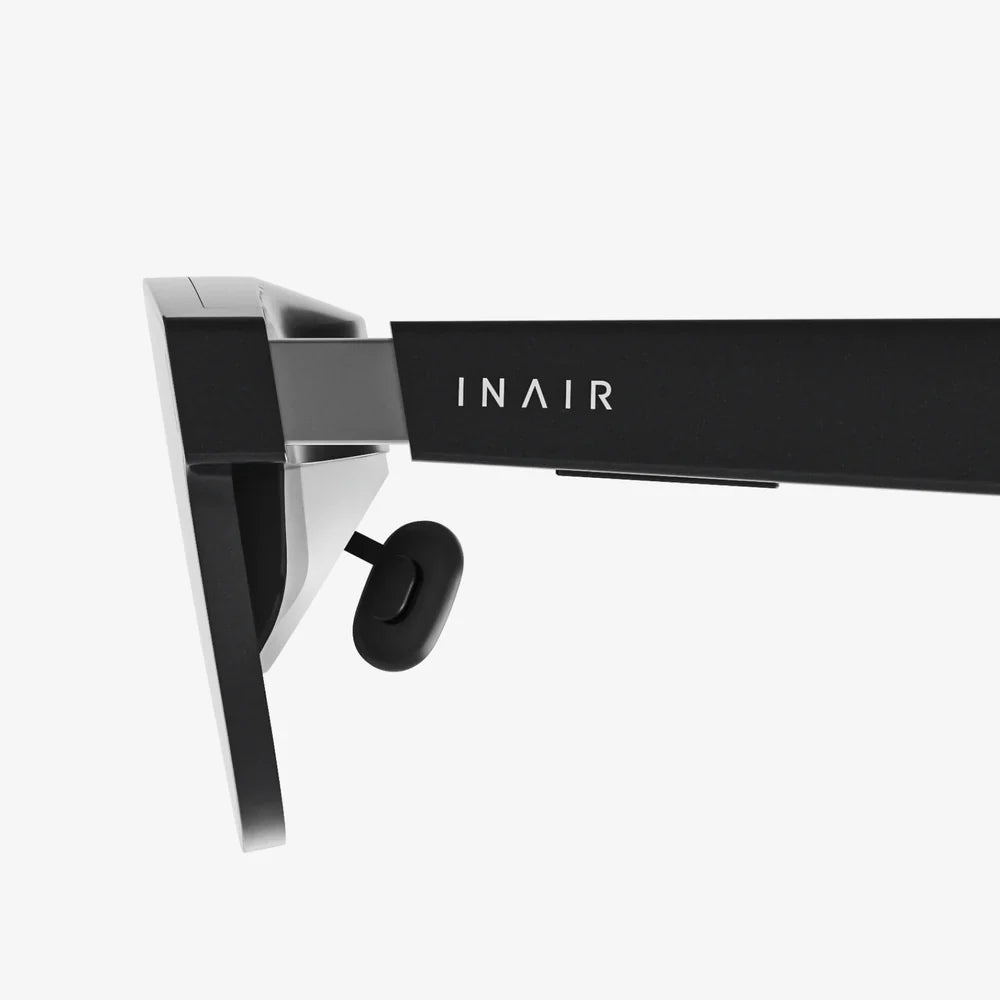
Do your eyes feel like they’ve run a marathon after a long day staring at a computer? You’re not alone. In our hyper-connected world, digital screens are an inescapable part of daily life, from work and education to entertainment and social connection. This constant exposure has given rise to a modern epidemic: digital eye strain, also known as Computer Vision Syndrome. Characterized by symptoms like dry eyes, headaches, blurred vision, and neck pain, it affects millions. But what if a simple, elegant solution existed—one you could wear just like your everyday eyewear? Enter screen vision glasses, a technological and optical innovation designed specifically to filter the harsh realities of our digital world and bring comfort back to your vision.
The Digital Assault on Our Eyes: Understanding the Problem
To appreciate the value of screen vision glasses, we must first understand the unique challenges posed by digital screens. Unlike reading a printed book, viewing a digital screen is a complex visual task. The problem isn't just one thing; it's a perfect storm of several factors.
The primary culprit is high-energy visible (HEV) blue light. Digital screens—including those on smartphones, tablets, laptops, and monitors—emit significant amounts of this short-wavelength light. While natural blue light from the sun is essential for regulating our sleep-wake cycle, prolonged and close-range exposure to artificial blue light has been linked to digital eye strain. Its short wavelength means it scatters more easily in the eye, making it harder to focus and forcing our ocular muscles to work incessantly to maintain a clear image. This visual noise and scatter contribute significantly to eye fatigue.
Another critical factor is glare. Screens create points of intense light and sharp contrast against their backgrounds, whether from internal pixels or external reflections from overhead lighting or windows. Our eyes must constantly adjust to these bright and dark areas, leading to squinting and further muscle fatigue.
Finally, our behavior around screens exacerbates the issue. We tend to blink less frequently when concentrating on a screen—often only half to a third of the normal rate. This reduced blinking leads to quicker evaporation of the eye’s tear film, resulting in dry, irritated, and gritty-feeling eyes. Combine this with often less-than-ideal ergonomics, and it’s no wonder our eyes are in revolt.
How Screen Vision Glasses Create a Digital Sanctuary for Your Eyes
Screen vision glasses are not merely tinted lenses; they are precision-engineered tools that address each of these challenges directly. They act as a selective filter between your eyes and your digital environment.
The most common and vital feature is a blue light filter. These lenses are treated with a special coating that selectively blocks or absorbs a portion of HEV blue light, typically in the 400-455 nm range, which is considered most disruptive. It’s important to note that they do not block all blue light, as this would severely distort color perception. Instead, they filter the most harmful portions, allowing beneficial blue-turquoise light to pass through. This reduction in blue light scatter minimizes glare and drastically reduces the focusing effort required by your eyes, leading to immediate relief from strain.
Many premium options also include an anti-reflective (AR) coating. This multi-layer coating is applied to both the front and back of the lens. Its job is to eliminate reflections from light sources behind and around you. By minimizing these distracting glares, the AR coating further enhances visual comfort and improves contrast, making the text on your screen appear sharper and blacker. This is especially beneficial in brightly lit offices or when working near a window.
For individuals who already require vision correction, screen vision glasses can be a game-changer. They can be crafted with your specific prescription, whether single-vision, bifocal, or progressive. This means you get the dual benefit of corrected vision and digital protection in one pair of glasses, eliminating the need to constantly switch between your regular glasses and computer-specific ones. For those with 20/20 vision, non-prescription (plano) versions offer the same protective benefits.
Beyond Blue Light: Additional Features for Enhanced Comfort
The technology behind these glasses continues to evolve, offering features that cater to specific needs and lifestyles.
Some designs incorporate a slight tint, often a subtle yellow or rose hue, to enhance the blue light filtering effect and improve contrast. This can be particularly helpful for graphic designers, video editors, and anyone whose work demands accurate color perception and reduced eye fatigue.
Another advanced feature is a slight magnification, often referred to as an occupational lens. These are designed for the specific intermediate viewing distance of a computer screen (typically 20-26 inches from the face). This low-power magnification helps reduce the focusing demand on your eyes, offering relief for the ciliary muscle inside the eye that works to keep the screen in focus. It can be a fantastic option for people over 40 who are beginning to experience presbyopia (age-related farsightedness) and find themselves straining to see their screen clearly.
Who Stands to Benefit the Most?
While virtually anyone who spends more than two hours a day on a digital device can experience relief from screen vision glasses, certain groups will find them indispensable.
- The Office Professional: For the millions who work a standard 8-hour day in front of a computer, these glasses can transform the work experience, reducing end-of-day fatigue and headaches.
- Gamers and Streamers: Marathon gaming or streaming sessions involve intense focus and long hours. Screen vision glasses can help maintain visual clarity and comfort during extended play.
- Students: From online research to writing papers and attending virtual classes, students’ academic lives are screen-centric. These glasses can help them study longer with greater comfort.
- Individuals with Light Sensitivity: Those who are naturally sensitive to light, including people who suffer from migraines, often find that screen vision glasses lessen the triggers associated with screen use.
- The Night Owl: Using devices in the evening exposes our eyes to blue light that can disrupt melatonin production and interfere with sleep. Wearing screen vision glasses in the hours before bed can help maintain a healthier circadian rhythm.
Selecting the Right Pair: A Buyer's Guide
With numerous options available, choosing the right pair of screen vision glasses requires careful consideration. It's not a one-size-fits-all solution.
First, assess your primary need. Are you looking for general all-day comfort, or are you specifically concerned about sleep disruption from evening screen use? Some lenses offer more aggressive blue light filtering with a noticeable tint, which is excellent for nighttime use but might not be suitable for color-critical work during the day. For all-day wear, a clear lens with a high-quality blue light and anti-reflective coating is often the best choice.
If you wear prescription lenses, the most effective route is to consult with an eye care professional. They can assess your specific visual needs, including your precise working distance, and recommend the best lens design (single vision, occupational, etc.) for your situation. They can also ensure the lenses are made to the highest optical standards, which is crucial for comfort.
For non-prescription users, look for reputable manufacturers that are transparent about the percentage of blue light their lenses filter. A quality pair will often filter between 20% to 40% of HEV blue light. Don’t forget the importance of fit and style. You’re more likely to wear them consistently if they are comfortable and you feel good wearing them. Ensure the frame fits well and doesn’t slip down your nose, keeping the optical center of the lenses correctly aligned with your pupils.
Integrating Glasses into a Holistic Eye Health Strategy
It is crucial to view screen vision glasses as a powerful tool within a broader strategy for digital wellness, not as a magic cure-all. Their benefits are maximized when combined with healthy screen habits.
The cornerstone of this strategy is the 20-20-20 rule: every 20 minutes, look at something 20 feet away for at least 20 seconds. This simple practice gives your focusing muscles a critical break. Secondly, be mindful of your blinking. Make a conscious effort to blink fully and frequently to keep your eyes lubricated. Using artificial tears can also help if dryness is a persistent issue.
Ergonomics matter immensely. Position your screen so that the top of the monitor is at or slightly below eye level, about an arm's length away. This promotes a healthier posture and reduces strain on your neck and eyes. Finally, adjust your screen’s brightness to match the ambient light in the room and utilize built-in device features like night shift or dark mode to reduce blue light emission at the source, especially in the evenings.
Imagine finishing your workday without that familiar pounding in your temples or the gritty feeling that makes you want to rub your eyes raw. Screen vision glasses are more than an accessory; they are a declaration that our well-being is not negotiable in the digital age. By intelligently filtering the stressors of modern screens, they offer a tangible path to reclaiming visual comfort, improving sleep, and enhancing productivity. In a world we can’t look away from, they provide the clarity and relief our eyes desperately need, turning a daily struggle into a seamless experience.
Share:
Augmented Reality Content: The Invisible Layer Reshaping Our World
Augmented Reality Fashion Brands Are Redefining the Shopping Experience