


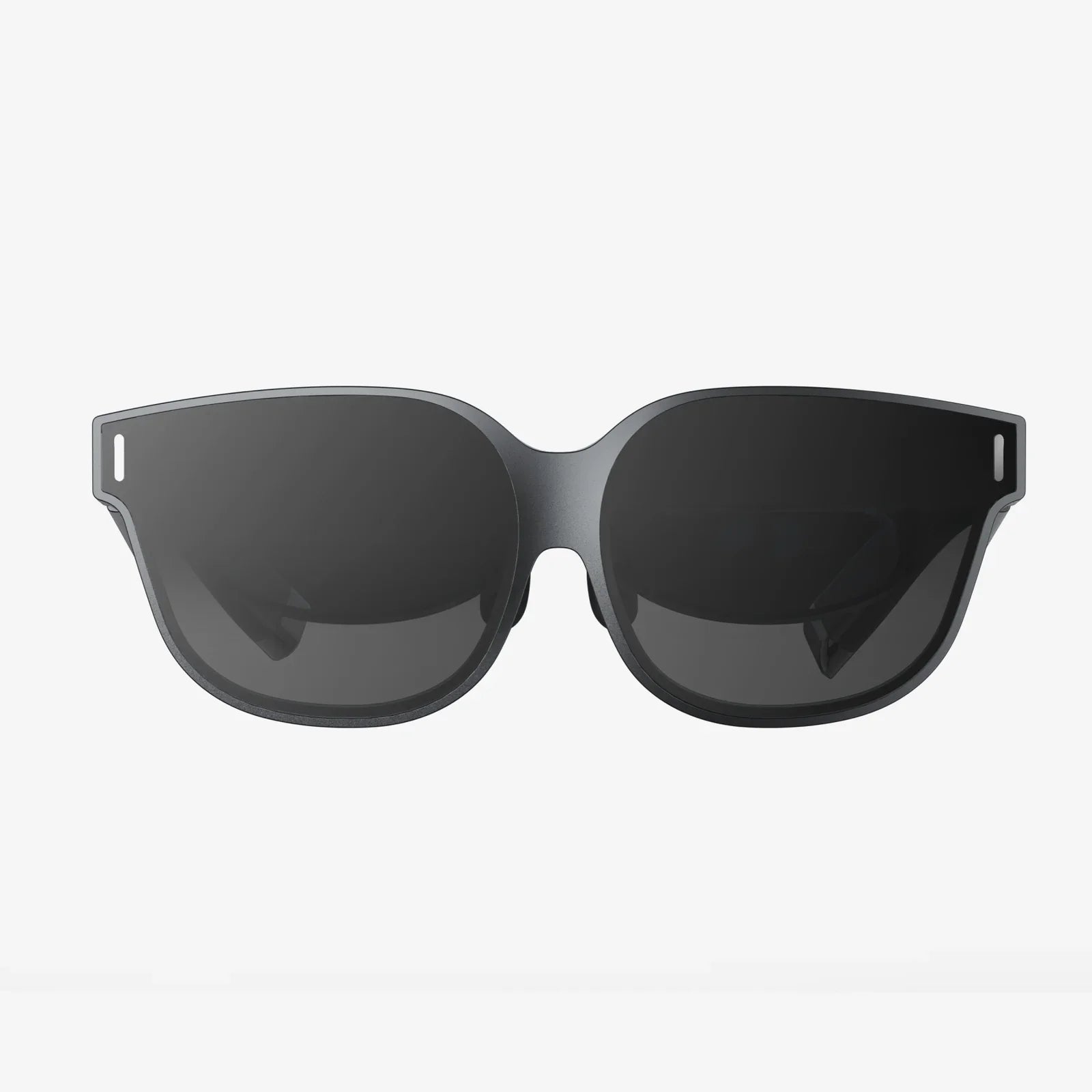
Imagine a world where information doesn’t just live on your screen but is woven seamlessly into the fabric of your reality. Where walking down a street reveals the history of the buildings around you, where complex instructions for assembling furniture or performing a repair are overlaid directly onto the components, and where the line between the digital and the physical dissolves into an enhanced, interactive experience. This is no longer the stuff of science fiction; it is the present and future being forged by the rapid, relentless advancements in augmented reality design. The news from this frontier is not just about new gadgets; it’s a fundamental shift in how we interact with technology, information, and each other. The revolution is here, and it’s invisible to the naked eye until you know where to look.
The Evolution from Novelty to Necessity
The conversation around augmented reality has matured dramatically. Early headlines were dominated by whimsical filters and simple games, often viewed as entertaining gimmicks. Today, the design news cycle tells a different story—one of profound utility and integration. The focus has shifted from what can we make?
to how can this solve a real problem?
This evolution is driven by a deeper understanding of user-centered design principles specific to spatial computing.
Designers are moving beyond placing flat, 2D panels into a 3D space. The latest thinking involves designing experiences that understand and interact with the environment. This means AR that respects physical obstacles, responds to changes in lighting, and anchors digital objects persistently so they feel like a permanent part of a room. This shift requires a new design lexicon, one that prioritizes spatial awareness, contextual relevance, and intuitive interaction models that feel natural rather than intrusive.
Spatial Computing: The New Design Canvas
At the heart of the most exciting augmented reality design news is the concept of spatial computing. This isn't just a buzzword; it represents a paradigm shift in interface design. The screen is no longer the boundary. The entire world becomes the interface. This presents unprecedented challenges and opportunities for designers.
How do you design a menu that doesn't break immersion? How do you indicate interactivity without a cursor? The solutions emerging are elegant and diverse. Designers are experimenting with gaze-and-dwell techniques, hand-tracking gestures that mimic real-world actions, and spatial audio cues that guide a user's attention. The goal is to create invisible interfaces
—where the user feels they are manipulating the environment itself, not a piece of software. This requires an obsessive focus on ergonomics, reducing cognitive load, and ensuring that digital augmentations provide genuine value without overwhelming the senses.
The AI and AR Symbiosis
Perhaps the most significant development in recent augmented reality design news is the powerful convergence of AR and artificial intelligence. AI is the engine that makes AR truly smart and contextual. Computer vision algorithms allow AR devices to identify objects, surfaces, and even people with startling accuracy. Machine learning models can predict user intent, personalize content in real-time, and generate dynamic AR experiences on the fly.
For instance, imagine an AR design tool for architects. AI can analyze a physical space captured through a device's camera, suggest structural modifications, and then instantly render those changes as photorealistic AR overlays. In retail, AI can power virtual try-ons
that not only place glasses on a user's face but also analyze their facial features and skin tone to recommend complementary styles and colors. This symbiosis is pushing AR from a visualization tool to a predictive and prescriptive partner, fundamentally changing the design process for the technology itself.
Democratization of AR Creation Tools
A key trend making waves is the rapid democratization of AR development. Not long ago, creating an AR experience required a team of skilled engineers working with complex game engines. The latest news highlights a surge in no-code and low-code AR platforms. These web-based tools allow designers, marketers, and educators to create and deploy AR experiences without writing a single line of code.
This democratization is crucial for widespread adoption. It empowers brands to create AR marketing campaigns quickly, enables teachers to build immersive historical lessons, and allows small businesses to offer virtual product previews. By lowering the technical barrier, the focus returns squarely to design thinking: storytelling, user journey mapping, and creating meaningful interactions. The question is no longer Can we build it?
but What is the most impactful experience we can design?
Ethical Design: The Imperative for a Blended World
As AR becomes more pervasive, the design community is grappling with serious ethical questions that dominate thoughtful commentary. How do we design for privacy in a world where devices with cameras are always-on? What are the implications of persistent digital graffiti in public spaces? How do we prevent AR from creating a greater digital divide or exacerbating social isolation?
Responsible augmented reality design news increasingly focuses on these topics. Designers are advocating for clear visual and auditory indicators when recording is active, establishing digital geofencing
rules for sensitive locations, and prioritizing inclusive design to ensure experiences are accessible to people with diverse abilities. The industry is slowly building a ethical framework, understanding that the design choices made today will set precedents for how we navigate this blended reality for decades to come.
The Future is Phygital: What's Next in AR Design
Looking at the horizon, the trends point towards a truly phygital
future—a seamless blend of physical and digital. Research in haptic feedback technology promises AR experiences you can not only see but also feel. Developments in lightweight, socially acceptable eyewear are accelerating, moving us toward a day when AR glasses are as common as smartphones.
The next frontier in design will be collaborative AR—shared persistent spaces where multiple users, regardless of their physical location, can interact with the same digital models and data as if they were in the same room. This will revolutionize fields from remote medicine to collaborative engineering. Furthermore, the integration of the Internet of Things (IoT) will see AR become the primary interface for the smart world, allowing users to visualize and control data from their connected environment through intuitive, overlayed dashboards.
The stream of augmented reality design news reveals a technology coming of age, moving from isolated applications to a foundational layer of our digital lives. It is a field where the constraints of the physical world meet the boundless possibilities of the digital imagination. The designers who succeed will be those who are not just masters of code and pixels, but also psychologists, ethicists, and storytellers, crafting experiences that enhance our humanity rather than distract from it. The invisible layer is being painted now, and its design will define our reality for generations to come.
Share:
Benefits of Virtual Meetings: Unlocking Productivity, Inclusivity, and a New Era of Work
AR Glasses Clear Lenses: The Invisible Gateway to a Brighter Digital Future