


Imagine a world where your customers don't just see your product on a screen but can place it in their living room, try it on their wrist, or see how it transforms their space, all before clicking 'buy.' This is no longer a glimpse into a distant future; it is the palpable, present-day reality being shaped by the powerful convergence of augmented reality development and marketing. For forward-thinking brands, this isn't just another channel—it's the next frontier for creating deep, meaningful, and unforgettable connections with an audience increasingly hungry for interactive and personalized experiences. The race to harness this potential is on, and the winners will be those who understand that in the realm of modern commerce, experience isn't just king—it's the entire kingdom.
The Paradigm Shift: From Interruption to Immersion
Traditional marketing has long operated on a model of interruption. Commercials break into your show, banners compete for your attention on a webpage, and pop-ups momentarily halt your progress. The value exchange is often one-sided. Augmented reality development marketing flips this script entirely. Instead of interrupting an experience, AR creates one. It invites the user to participate, play, and explore on their own terms. This shift from passive consumption to active participation represents a fundamental change in the brand-customer relationship.
This immersive approach taps into a powerful psychological principle: the 'IKEA Effect'—the cognitive bias where consumers place a disproportionately high value on products they partially created or interacted with. When a user spends time engaging with an AR experience—customizing a product, visualizing it in their world, or playing an AR-based game—they develop a stronger emotional attachment and perception of value. This sense of co-creation fosters a deeper brand connection that a static image or a 30-second video could never achieve.
The Core Pillars of an AR Marketing Strategy
Success in augmented reality development marketing doesn't happen by accident. It requires a strategic foundation built on several core pillars that ensure the technology serves the marketing goal, and not the other way around.
1. Defining a Clear Objective
Before a single line of code is written, the most critical question must be answered: What is the goal? AR for the sake of being 'cool' is a short-lived and expensive endeavor. Objectives must be SMART (Specific, Measurable, Achievable, Relevant, Time-bound). Common objectives include:
- Increasing Conversion Rates: Allowing users to 'try before they buy' to reduce purchase anxiety and returns.
- Enhancing Brand Awareness: Creating a viral, shareable experience that gets people talking.
- Improving Customer Education: Using interactive AR overlays to explain complex product features or assembly instructions.
- Driving Event Engagement: Creating scavenger hunts or interactive booths at physical locations.
2. Understanding the Target Audience
Not every demographic interacts with technology in the same way. A successful strategy hinges on a deep understanding of the audience's technological comfort, the devices they use, and the platforms they frequent. An AR experience built for a mobile game-savvy Gen Z audience on Snapchat will look and function very differently from one designed for professionals on LinkedIn to visualize architectural plans. The experience must be tailored to the user's context, not just their demographics.
3. Seamless Accessibility and Frictionless Entry
The biggest barrier to AR adoption is friction. If an experience requires a user to download a separate app, create an account, or struggle with complex instructions, they will abandon it instantly. The gold standard in augmented reality development marketing is now WebAR—experiences that run directly in a mobile browser without any app download. This allows users to access AR simply by clicking a link or scanning a QR code, dramatically increasing accessibility and participation rates. The mantra is: one click, one scan, one moment of immersion.
The AR Development Lifecycle: From Concept to Launch
Bringing an AR marketing campaign to life is a multidisciplinary effort that blends creativity with technical precision.
Idea and Storyboarding
Every great experience starts with a story. This phase involves mapping out the user journey: How does the user discover the experience? What is the first thing they see? What actions can they take? What is the final call-to-action? Storyboards and wireframes are essential for visualizing the flow and ensuring the narrative aligns with the brand's message.
3D Asset Creation and Optimization
The heart of most AR experiences is a high-fidelity 3D model. These assets must be meticulously created and, crucially, optimized for real-time rendering on mobile devices. This means balancing visual quality with polygon count, texture resolution, and file size to ensure a smooth, lag-free experience that doesn't drain the user's battery or data plan.
Choosing the Right Technology Stack
Developers must choose the right tools for the job. This decision is guided by the project's requirements:
- WebAR: Ideal for wide-reach campaigns. Often built using frameworks like A-Frame or libraries that work with JavaScript.
- Native Apps: Necessary for more complex experiences requiring advanced computer vision, such as persistent world tracking or complex object recognition. Development often leverages powerful engines.
- Social Platform AR (Spark AR, Lens Studio): Perfect for branded filters and effects on social media, leveraging built-in audiences and shareability.
Tracking and Triggers
A core technical challenge is anchoring digital content to the real world. This is achieved through different tracking methods:
- Marker-based Tracking: Uses a predefined image (like a QR code or product package) to trigger and anchor the experience.
- Markerless Tracking (Surface Tracking): Uses the device's camera and sensors to detect horizontal planes like floors and tables, allowing users to place content anywhere.
- Image Tracking: Similar to marker-based but can use more complex images like posters or magazine pages.
- Face Tracking: Primarily used for filters and effects that map onto a user's face.
Rigorous Testing and Iteration
AR must work flawlessly across a myriad of devices, operating systems, and lighting conditions. Extensive testing is non-negotiable. This includes usability testing to ensure intuitive interactions and performance testing to guarantee stability. User feedback in this phase is invaluable for refining the experience before a full public launch.
Measuring Success: The Metrics That Matter
Like any marketing initiative, the ROI of an AR campaign must be measured. Vanity metrics like 'number of launches' are a start, but the true value lies in deeper engagement analytics.
- Interaction Rate: What percentage of users who launched the experience completed the primary interaction (e.g., placed the product in their room)?
- Dwell Time: How long did users spend engaged with the experience? A longer dwell time indicates high captivation.
- Conversion Lift: The most direct metric. Did users who interacted with the AR experience show a higher propensity to purchase, sign up, or visit a store compared to a control group?
- Social Shares: For awareness campaigns, the number of shares and user-generated content is a key indicator of viral success.
- Return Rate Reduction: For 'try-on' AR, tracking a reduction in product returns provides a clear, cost-saving justification.
By tying these metrics back to the original SMART objectives, marketers can clearly demonstrate the value of their investment in augmented reality development.
Navigating Challenges and Future-Proofing Your Strategy
The path to AR marketing excellence is not without its hurdles. Technical limitations, such as the varying quality of smartphone cameras and sensors, can create inconsistent user experiences. There's also the challenge of discovery—making sure the target audience can easily find and access the AR experience through clear calls-to-action, QR codes, or social media links.
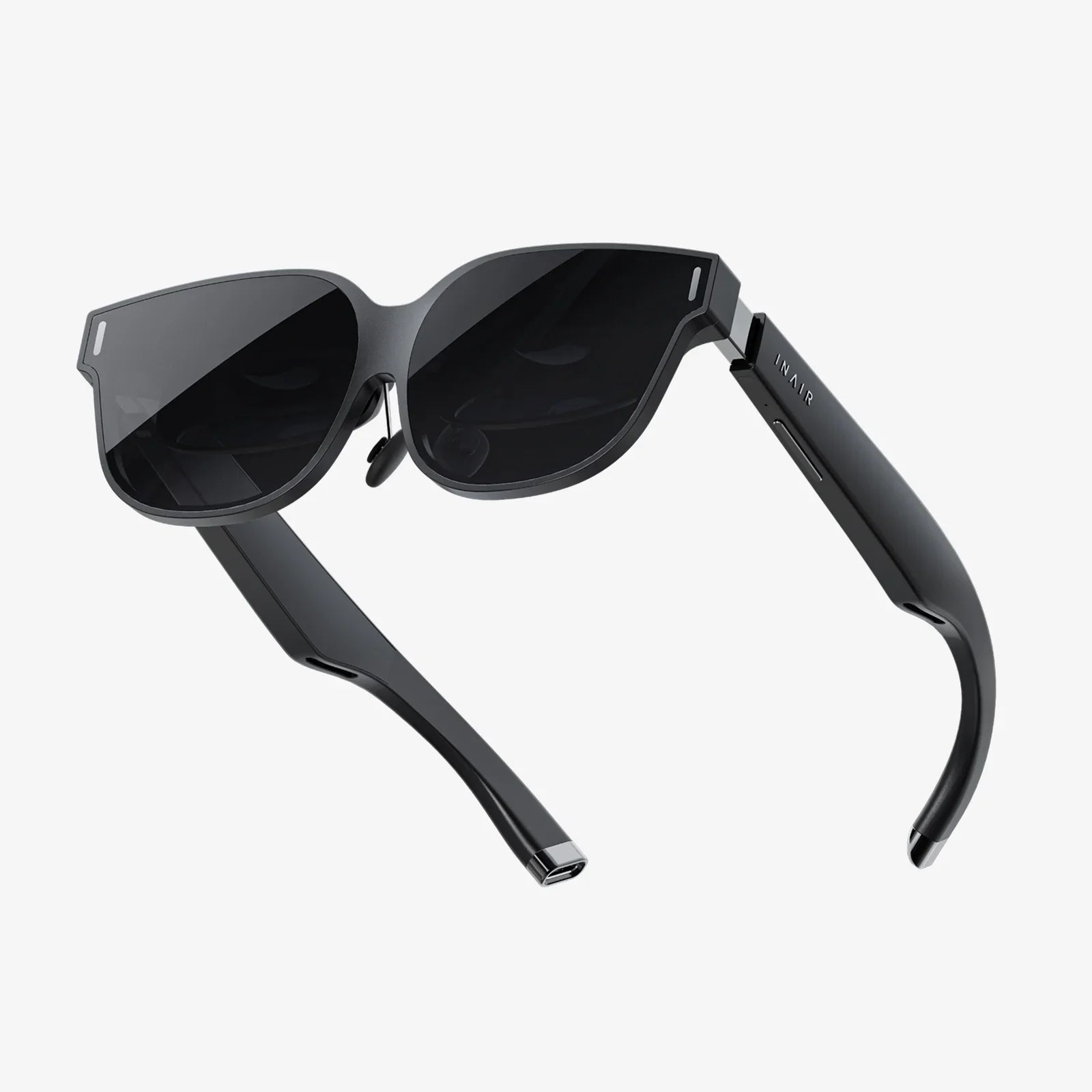
Looking forward, the evolution is rapid. The integration of Artificial Intelligence will make AR experiences more responsive and personalized. The rise of wearable AR glasses will eventually move these experiences from the hand to the face, creating always-available, contextual overlays on the world. Savvy marketers are already laying the groundwork for this future by building expertise and brand recognition in the spatial web today.
The brands that will truly dominate the next decade are those that stop asking customers to look at their ads and start inviting them to play, create, and interact within worlds they build together. Augmented reality development marketing is the key that unlocks this door, offering a canvas limited only by imagination where products can be touched by digital hands and stories can be lived, not just told. The question is no longer if your brand will step into this arena, but when—and how boldly you will choose to do so.
Share:
VR AR MR Artificial Intelligence: The Confluence Reshaping Reality
AR and VR Campaigns: The Ultimate Guide to Immersive Marketing