


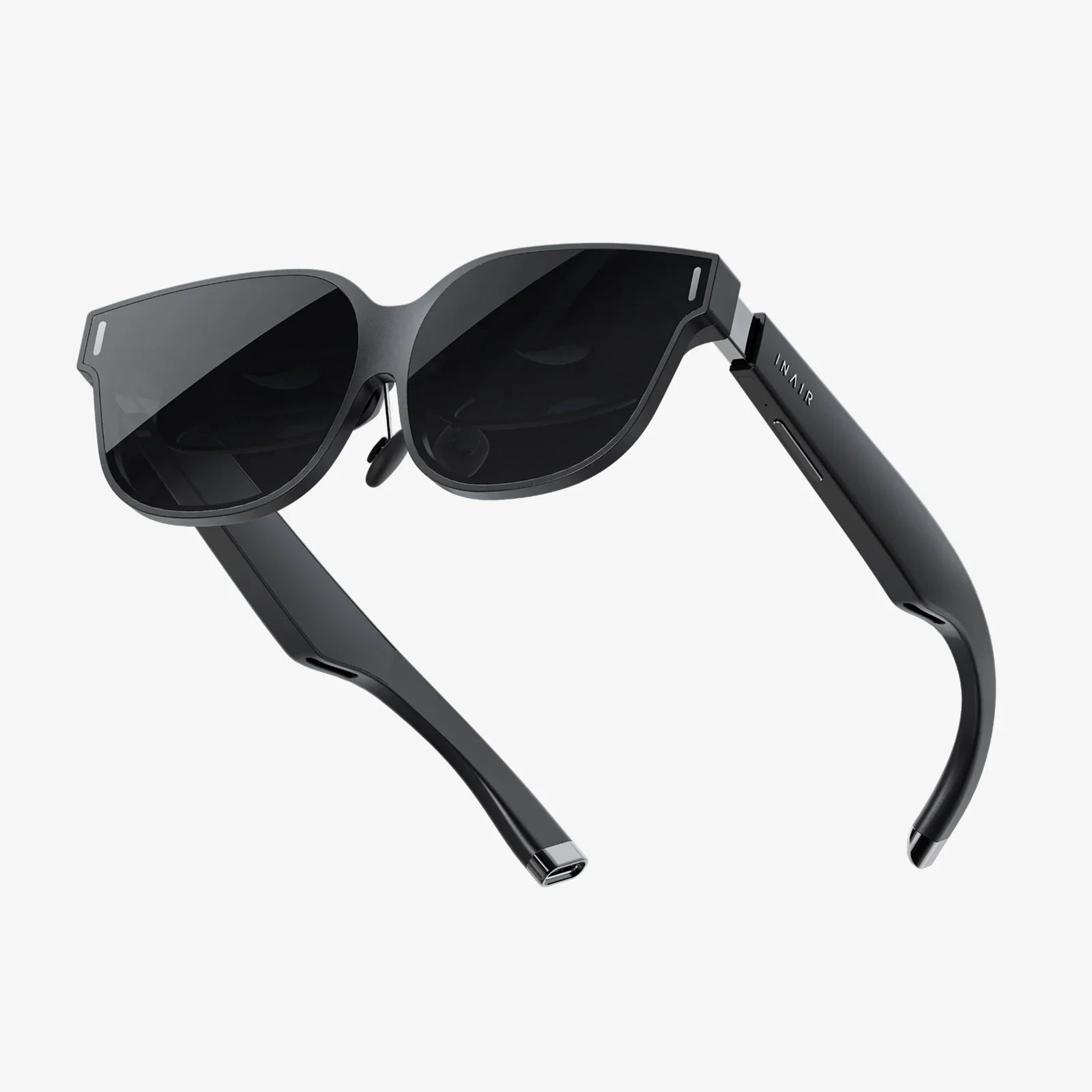
Imagine a world where your customers don't just see your product on a screen but can place it in their living room, test it out in a virtual space, or be transported into a story you've created, all from their smartphone or a headset. This is no longer the stuff of science fiction; it's the powerful, present-day reality of AR and VR campaigns, and they are completely rewriting the rules of consumer engagement. For marketers willing to step beyond the traditional banner ad and social post, these immersive technologies offer a gateway to deeper connections, unforgettable experiences, and a formidable competitive advantage.
The Fundamental Divide: Understanding AR vs. VR
While often grouped together, Augmented Reality (AR) and Virtual Reality (VR) serve distinct purposes and offer different experiences. Understanding this distinction is the first step to deploying them effectively.
Augmented Reality (AR) overlays digital information—images, 3D models, text, animations—onto the user's real-world environment. It enhances reality rather than replacing it. Users typically experience AR through smartphone cameras, tablets, or increasingly, through smart glasses. The genius of AR lies in its accessibility; it turns the device already in everyone's pocket into a window for digital interaction. A campaign might allow a user to see how a new piece of furniture would look in their home, try on virtual makeup, or have an animated character appear on their kitchen table.
Virtual Reality (VR), by contrast, is immersive. It shuts out the physical world and transports the user into a fully digital, computer-generated environment. This requires a head-mounted display (HMD) that tracks the user's head movements, making them feel truly present within the virtual space. VR is the tool for complete escapism. It's used to create simulated test drives, virtual property tours of homes across the country, or deeply empathetic experiences that place the user in someone else's shoes.
Why Now? The Convergence of Technology and Readiness
The concept of AR and VR has existed for decades, but several critical factors have converged to make them viable for mainstream marketing campaigns today.
- Hardware Ubiquity and Power: The smartphone is the AR gateway drug. With powerful processors, high-resolution cameras, and sophisticated sensors, modern mobile devices are more than capable of delivering stunning AR experiences. On the VR side, hardware costs have decreased significantly, with robust standalone headsets eliminating the need for expensive gaming PCs, while high-end models continue to push the boundaries of fidelity.
- Software and Development Ecosystems: Platforms have created powerful AR development toolkits, making it easier for developers to build sophisticated experiences. Similarly, game engines have become the standard for creating high-fidelity VR content, complete with powerful tools for storytelling and interaction.
- Cultural Acceptance and Demand: Consumers, particularly younger demographics, are no longer wary of these technologies. They are eager, curious, and actively seek out novel and interactive brand experiences. The success of AR filters on social media platforms has been a major catalyst in this normalization.
- The Search for Deeper Engagement: In an era of ad saturation and banner blindness, brands are desperate for channels that command attention. AR and VR demand active participation, creating a level of engagement that passive media simply cannot match.
The Strategic Power of Immersive Campaigns
Moving beyond the "wow" factor, AR and VR campaigns deliver tangible strategic benefits that impact the entire marketing funnel.
1. Unparalleled Engagement and Dwell Time
A print ad is glanced at; a video ad might be watched for 15 seconds. An immersive experience, however, can capture minutes of a user's undivided attention. A well-designed AR game or an intriguing VR narrative holds the user in a branded environment for a significantly longer period, dramatically increasing brand exposure and message retention. This quality of attention is infinitely more valuable than a fleeting impression.
2. Enhancing Storytelling and Emotional Connection
Storytelling is the heart of marketing, and immersion is its ultimate amplifier. VR, in particular, is an empathy machine. A non-profit can transport donors to the front lines of a conservation effort, making the cause visceral and urgent. A travel company can offer a breathtaking preview of a destination, sparking wonder and desire. By making the audience not just an observer but a participant in the story, brands forge powerful, emotional bonds that drive loyalty.
3. The "Try-Before-You-Buy" Revolution
This is perhaps the most direct and commercially powerful application of AR. It effectively solves a critical online shopping problem: the inability to physically interact with a product. From virtually trying on glasses, watches, and makeup to placing life-size 3D models of furniture, appliances, and even cars in a user's own space, AR drastically reduces purchase uncertainty. This leads to higher consumer confidence, reduced return rates, and increased conversion rates.
4. Generating Valuable Data and Insights
Immersive campaigns are a goldmine of data that goes far beyond clicks and views. Marketers can analyze heatmaps of where users look in a VR experience, see which products they "try on" most frequently in AR, track engagement paths, and measure interaction times. This behavioral data provides profound insights into consumer preferences and product performance, informing future marketing strategies, product development, and inventory decisions.
5. Creating Shareable Moments and Viral Potential
Novelty drives sharing. A fun, surprising, or visually stunning AR filter or VR moment is inherently shareable on social media. Users love to post pictures of a virtual sofa in their living room or a video of themselves interacting with a branded AR character. This organic, user-generated content extends the campaign's reach far beyond its initial media buy, generating authentic buzz and social proof.
Crafting a Successful AR/VR Campaign: A Strategic Framework
A successful campaign is not about using the shiniest new tech; it's about solving a business problem in a novel way. Here’s a framework for development.
Step 1: Define a Clear Objective
What do you want to achieve? Is it brand awareness, product education, direct sales, or internal training? The objective will dictate everything from technology choice (AR vs. VR) to the core experience design. A campaign aimed at generating mass awareness might use a simple, social-media-based AR filter, while a B2B campaign focused on demonstrating a complex piece of machinery would benefit from a detailed VR simulation.
Step 2: Know Your Audience and Their Tech Access
Audience analysis is crucial. Are they tech-savvy early adopters with VR headsets, or are they a broad consumer group that will only engage via mobile AR? The barrier to entry must match audience willingness. Forcing users to download a dedicated app will limit reach; using WebAR, which runs in a mobile browser, can maximize accessibility.
Step 3: Prioritize User Experience (UX) Above All
In immersive tech, bad UX is a campaign killer. The experience must be intuitive, valuable, and seamless. Users should understand what to do immediately. Loading times should be minimal, and interactions should feel natural. The value exchange must be clear: what does the user get for their participation? A useful tool, genuine entertainment, or a unique insight?
Step 4: Integrate, Don't Isolate
The campaign should not exist in a vacuum. It must be integrated into a broader marketing strategy. Use social media to promote the AR filter. Follow up a VR experience at an event with an email nurture sequence. Include QR codes in print ads or packaging that launch an AR experience. The goal is to use immersion as a powerful touchpoint within a larger customer journey.
Step 5: Measure What Matters
Establish KPIs based on your initial objective. These could include:
- Number of experiences launched
- Average dwell time
- Social shares and mentions
- Conversion rate (e.g., clicks to purchase after virtual try-on)
- Lead capture form completions (e.g., after a VR experience)
Navigating the Challenges and Considerations
Despite the excitement, it's important to approach AR and VR campaigns with a clear-eyed view of the potential hurdles.
- Cost and Production Time: High-quality experiences, especially in VR, can be resource-intensive to produce, requiring specialized 3D artists, developers, and designers. However, the cost spectrum is wide, and simpler AR campaigns can be very cost-effective.
- Accessibility and Fragmentation: Ensuring a consistent experience across a myriad of devices (different phones, operating systems, VR headsets) remains a technical challenge.
- Avoiding the "Gimmick" Trap: The technology must serve the idea, not the other way around. A campaign that is all flash and no utility will be quickly forgotten. The question must always be: "Does this enhance the message or distract from it?"
- Privacy and Data Ethics: Using device cameras and sensors raises legitimate privacy concerns. Transparency about data collection and usage is non-negotiable. Brands must be clear, secure, and ethical in their handling of user data gathered through these experiences.
Glimpsing the Future: The Next Wave of Immersion
The evolution of AR and VR is accelerating, pointing toward an even more integrated future. The lines between the physical and digital will continue to blur with the development of more comfortable and socially acceptable AR glasses. The concept of the "metaverse"—a persistent network of shared virtual spaces—presents a future where branded experiences could exist in permanent digital locations, accessible to anyone, anytime. Furthermore, the integration of Artificial Intelligence will make these experiences adaptive and personalized, responding to a user's actions and preferences in real-time.
The brands that will thrive are those that start experimenting today, building internal knowledge, and understanding how to speak the language of immersion. They are laying the foundation for a future where interacting with a brand in a deep, meaningful, and multi-sensory way will be the expectation, not the exception. The question is no longer if AR and VR will become a standard part of the marketing toolkit, but how quickly you can master them to leave your competitors in a non-interactive, two-dimensional past.
The screen is no longer the limit. The most forward-thinking marketers are already building worlds, overlaying magic onto the mundane, and inviting their customers to step inside. The audience is ready, the technology is ripe, and the potential for connection is limitless. The only remaining barrier is the imagination to see what's possible and the courage to build it.
Share:
Augmented Reality Development Marketing: The Ultimate Strategy for Immersive Brand Engagement
Mexico Augmented Reality Market: A Surging Ecosystem of Innovation and Opportunity