


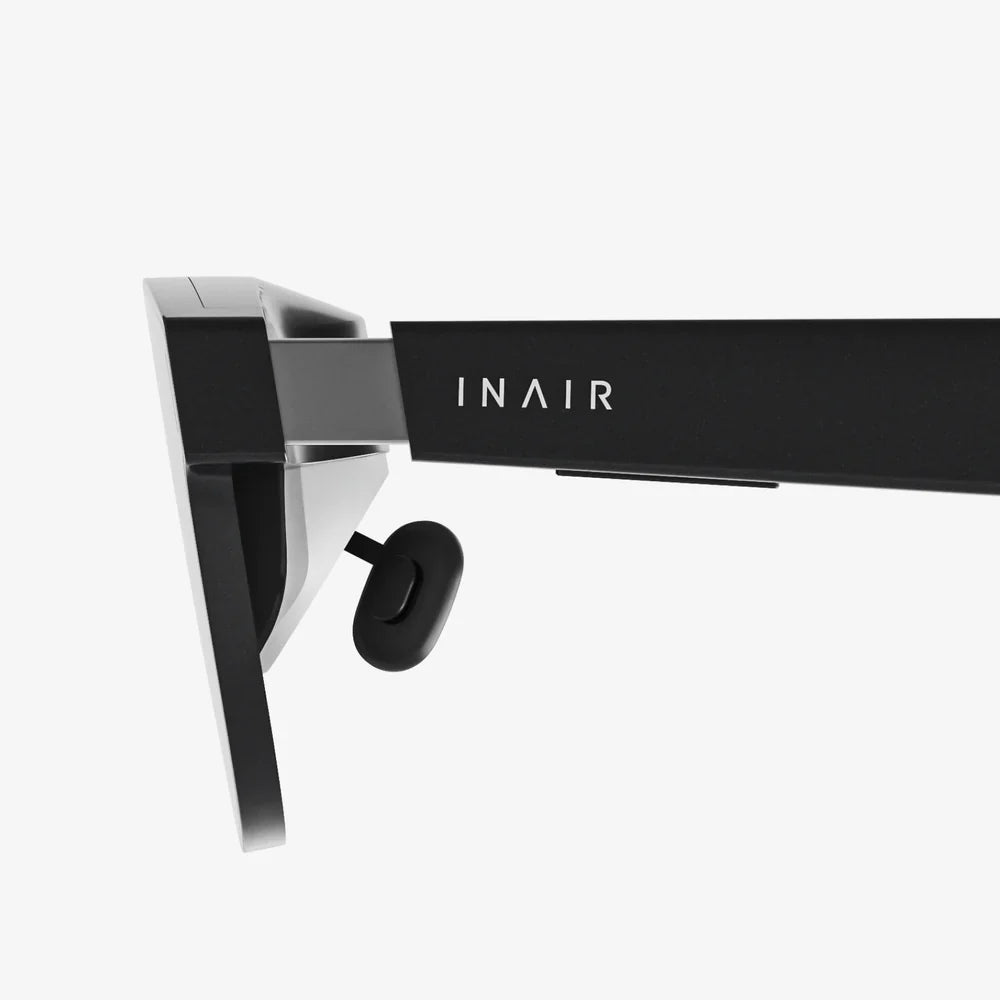
Imagine pointing your smartphone at the ancient ruins of Chichen Itza and watching a spectral Mayan priest perform a ritual right before your eyes. Or envision a factory technician, miles from headquarters, receiving real-time, holographic instructions to repair a complex machine, overlaid directly onto their field of view. This is not a distant sci-fi fantasy; it is the rapidly materializing reality of the Mexico augmented reality market, a dynamic and surging force poised to redefine how the nation works, learns, shops, and plays. The fusion of the physical and digital worlds is unlocking unprecedented value, and Mexico is emerging as a fascinating and crucial epicenter for this technological revolution in Latin America.
The Current Landscape: More Than Just Games
While global conversations around AR often begin with popular consumer filters and gaming phenomena, the Mexico augmented reality market has carved a distinctly pragmatic and industrial identity. The market's value is projected to continue its robust compound annual growth rate, significantly outpacing the global average in key sectors. This growth is not monolithic; it is a multifaceted ecosystem driven by a powerful combination of external investment, internal innovation, and pressing economic needs.
The foundation of this boom is deeply intertwined with the country's robust manufacturing sector, particularly the automotive and aerospace industries. As a global manufacturing hub, Mexican companies are under constant pressure to enhance efficiency, reduce errors, and streamline complex processes. AR technology has emerged as a powerful solution to these challenges.
Key Industrial Applications:
- Assembly and Quality Control: Workers on assembly lines use AR glasses or tablet devices to see digital work instructions, 3D models, and torque specifications overlaid directly onto the physical components they are handling. This reduces training time, minimizes errors, and accelerates production cycles.
- Remote Expert Guidance: A specialist engineer based in an office in Monterrey can provide live, hands-free guidance to a technician on a factory floor in Aguascalientes. Using AR-enabled smart glasses, the remote expert can draw annotations into the technician's field of view, highlight specific parts, and guide them through complex troubleshooting procedures, drastically reducing downtime and travel costs.
- Warehouse Logistics and Picking: In massive distribution centers, AR systems visually guide warehouse workers to the exact location of items, displaying optimal routes and verifying picks, leading to a dramatic increase in order accuracy and fulfillment speed.
Catalysts Fueling the AR Revolution
Several critical factors are acting as rocket fuel for the Mexico augmented reality market, creating a perfect storm of opportunity.
1. The Manufacturing Imperative
Mexico's position in global supply chains makes technological adoption a necessity, not a luxury. To maintain competitiveness against other low-cost manufacturing destinations, Mexican firms are aggressively investing in Industry 4.0 technologies, with AR being a cornerstone of this digital transformation. The drive for greater operational excellence is the single biggest driver of enterprise AR adoption.
2. A Demographic Dividend
Mexico boasts a large, young, and increasingly tech-literate population. With one of the highest smartphone penetration rates in Latin America, the consumer base is primed for AR experiences. This demographic is quick to adopt new apps, engage with interactive marketing, and expects digital integration in their daily lives, creating a fertile ground for consumer-facing AR applications.
3. Government and Institutional Support
Recognizing the potential for economic growth and technological sovereignty, various government initiatives and public-private partnerships are promoting digital innovation. Programs aimed at fostering tech startups, improving digital infrastructure, and integrating technology into public education are indirectly creating a more favorable environment for AR development and deployment.
4. Foreign Direct Investment (FDI) and Tech Giants
Significant FDI flows into the Mexican technology and industrial sectors bring not just capital, but also global best practices and cutting-edge technologies. Furthermore, the presence of large technology companies fosters a local talent pool skilled in developing for and deploying immersive technologies, raising the overall capability of the market.
Sectoral Deep Dive: Where AR is Making an Impact
The application of AR extends far beyond the factory floor, permeating a diverse range of sectors.
Retail and E-Commerce
The retail sector is leveraging AR to bridge the gap between online and in-store experiences and combat high return rates. Virtual try-on solutions for apparel, accessories, and cosmetics allow customers to visualize products on themselves from home. Furniture and home decor retailers enable shoppers to place true-to-scale 3D models of products into their own living spaces using their phone cameras, increasing consumer confidence and driving sales conversions.
Education and Training
AR is transforming the educational landscape by making learning immersive and interactive. Textbooks come to life with 3D models of the human heart or historical artifacts. Vocational training centers use AR to simulate dangerous or expensive machinery operations, allowing students to gain practical experience in a safe, cost-effective environment. This has profound implications for skill development in a country focused on building a advanced technical workforce.
Tourism and Cultural Heritage
As one of the world's top tourist destinations, Mexico is using AR to enrich the visitor experience. Museums are deploying AR apps to provide additional information, reconstructions, and animations alongside exhibits. At archaeological sites, apps can rebuild temples and show scenes from ancient life, creating a powerful, engaging connection to history. This not only enhances tourism but also serves as a tool for cultural preservation and education.
Healthcare
The healthcare sector presents significant, albeit developing, opportunities. Medical professionals are using AR for enhanced surgical planning, visualizing complex anatomical structures during procedures, and for improved medical training. While regulatory hurdles exist, the potential for remote diagnostics and patient education is immense.
Navigating the Challenges: The Hurdles to Overcome
Despite the optimistic trajectory, the Mexico augmented reality market must overcome several significant challenges to achieve mainstream adoption.
Infrastructure and Connectivity
The full potential of cloud-based, data-intensive AR applications relies on widespread, high-speed, and low-latency internet connectivity. While urban centers are well-served, the digital divide with rural areas remains a persistent issue. The rollout of 5G networks is critical to unlocking the next generation of wireless AR experiences and is a key area for infrastructure development.
Cost and Return on Investment (ROI)
For small and medium-sized enterprises (SMEs), which form the backbone of the Mexican economy, the initial investment in AR hardware and software development can be prohibitive. Clearly demonstrating a compelling and rapid ROI through metrics like reduced training time, higher productivity, and fewer errors is essential for broader adoption beyond large corporations.
Digital Literacy and Skills Gap
There is a growing need for a workforce skilled in AR/VR development, 3D modeling, and user experience design. While coding academies and universities are rapidly incorporating these disciplines into their curricula, a shortage of experienced talent could temporarily constrain the market's growth potential.
User Experience and Content Quality
Clunky interfaces, poor tracking, and low-quality 3D content can lead to user frustration and abandonment of AR solutions. The market's long-term success hinges on the development of intuitive, reliable, and truly valuable applications that solve real problems rather than serving as technological gimmicks.
The Future is Overlaid: Trends Shaping Tomorrow's Market
The future of the Mexico augmented reality market is bright and is being shaped by several converging technological trends.
The Convergence with Artificial Intelligence (AI)
AI is supercharging AR capabilities. Computer vision AI allows AR devices to better understand and interpret the environment, enabling more accurate object recognition and occlusion. Generative AI can create 3D assets and realistic textures on the fly, making content creation faster and cheaper. AI-powered translation can be integrated into AR glasses, offering real-time subtitles for foreign languages, a powerful tool for international business and tourism.
The Advent of 5G and Edge Computing
The ultra-low latency and high bandwidth of 5G networks will allow for more complex and photorealistic AR rendering to be processed in the cloud and streamed seamlessly to lightweight devices. This will reduce the dependency on powerful, expensive onboard processors, paving the way for more affordable and comfortable AR wearables. Edge computing will ensure that data-intensive applications remain responsive and secure.
The Rise of the Spatial Web and WebAR
The development of open standards for the "Spatial Web" will allow AR experiences to be accessed directly through web browsers without the need to download a dedicated app. This drastically lowers the barrier to entry for users and will be a game-changer for marketing campaigns, educational content, and e-commerce, enabling viral, one-click AR experiences.
The Path to Consumer Smart Glasses
While currently dominated by enterprise, the market will eventually be transformed by the arrival of consumer-grade smart glasses that are socially acceptable, stylish, and offer all-day battery life. When this tipping point is reached, AR will shift from being a task-oriented tool to an always-on layer of our daily reality, revolutionizing social media, navigation, and communication.
The journey of the Mexico augmented reality market is a compelling narrative of transformation, where ancient history and cutting-edge technology converge to create a new layer of reality. From revitalizing manufacturing floors to reimagining educational paradigms and creating unforgettable tourist experiences, AR is not merely an imported trend but is being woven into the very fabric of the nation's economic and social development. For businesses, developers, and visionaries, the message is clear: look closely at the physical landscape of Mexico, for it is now enriched with a digital dimension brimming with limitless potential. The future is here, and it's being augmented.
Share:
AR and VR Campaigns: The Ultimate Guide to Immersive Marketing
Smart Adaptive Sunglasses: The Future of Eye Protection is Here