


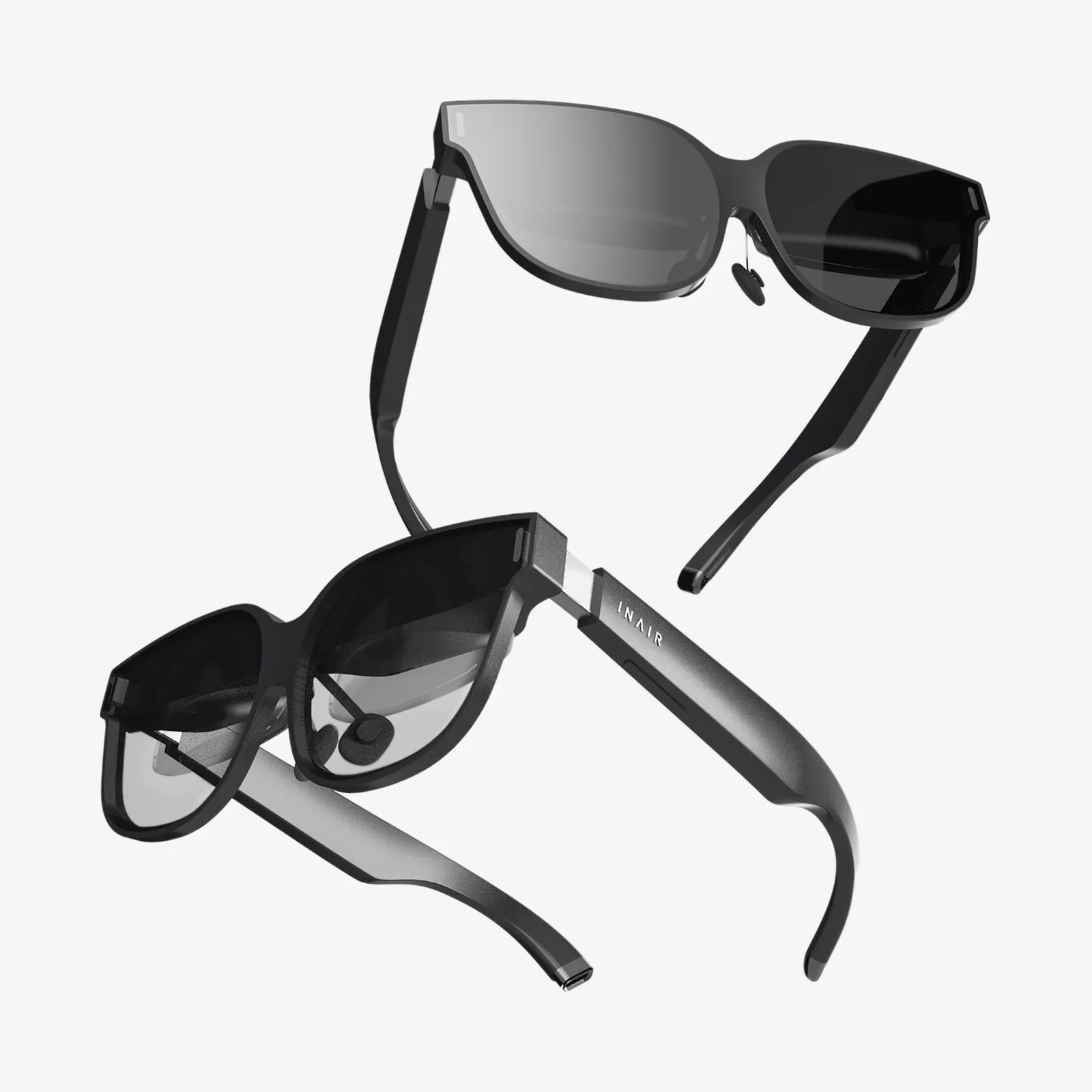
The digital and physical worlds are colliding across the Indian landscape, not in a destructive clash, but in a harmonious and transformative fusion. Look through your smartphone screen at a historical monument, and watch it spring back to life; point it at a textbook, and see a complex engine model materialize on the page; use it while shopping, and visualize a new piece of furniture right in your living room. This is no longer the stuff of science fiction—it is the present reality, powered by the proliferation of Augmented Reality examples in India. This technological wave is quietly reshaping experiences, bridging vast gaps in accessibility and understanding, and offering a glimpse into a future where the line between what is real and what is digital becomes beautifully blurred for millions.
The Foundation: Understanding AR's Place in the Indian Tech Ecosystem
Before delving into the examples, it's crucial to understand why AR is finding such fertile ground in India. The nation's tech adoption is unique, characterized by a massive mobile-first user base that often leapfrogs traditional computing paradigms. The widespread availability of affordable high-speed data and capable smartphones has served as the primary engine for this growth. Unlike Virtual Reality (VR), which requires dedicated and often expensive hardware, AR experiences are predominantly accessed through devices people already own and carry everywhere. This low barrier to entry is critical in a price-sensitive market, making AR far more scalable and immediately applicable than many other emerging technologies.
Furthermore, a vibrant startup ecosystem, supported by government initiatives like 'Digital India' and 'Startup India', has fostered innovation in deep tech fields. Developers and entrepreneurs are increasingly looking at AR not just as a gimmick but as a practical tool to solve uniquely Indian challenges—from education in remote areas to vernacular commerce and heritage preservation. This combination of widespread connectivity, accessible hardware, and innovative drive has created the perfect storm for AR to flourish.
Reviving History: AR in Cultural Heritage and Tourism
India's greatest wealth is its millennia-old history, but presenting this history in an engaging way to a modern, digitally-native audience is a constant challenge. AR is providing a powerful answer, turning static monuments and museum exhibits into dynamic, interactive storybooks.
Museums and Historical Sites
Several national museums have begun integrating AR into their exhibits. Visitors can now point their devices at artifacts or paintings to unlock layers of additional information. A static sculpture of a deity can reveal a video explaining its mythology and significance. A historical weapon can show a simulation of its use in battle. This transforms a passive viewing experience into an active learning journey, making it particularly impactful for students and younger audiences.
Monument Exploration
Imagine standing amidst the ruins of an ancient fort and seeing its complete structure, banners flying and soldiers patrolling, superimposed over the existing ruins through your screen. Pioneering projects at various UNESCO World Heritage Sites and other historical locations are making this possible. These AR reconstructions help tourists visualize the grandeur of the past, providing context that signs and guidebooks simply cannot match. It effectively bridges the gap between the present state of a site and its historical glory, enhancing the tourist experience immensely and promoting a deeper appreciation for India's architectural heritage.
Virtual Guides and Language Translation
AR-powered applications can act as personal guides. By pointing a device at a specific section of a monument, users can get audio explanations in their language of choice. This is also being used to translate ancient inscriptions in real-time. A user can view a stone engraving in a script they cannot read, and the AR application can overlay a modern-language translation directly onto the screen, breaking down a significant barrier to understanding.
Transforming the Classroom: AR in Education and Skilling
Perhaps one of the most promising applications of AR is in democratizing and enhancing education. In a country with diverse learning needs and often overcrowded classrooms, AR provides tools for immersive and individualized learning.
Interactive Learning Modules
Educational technology companies are developing AR-enabled content that aligns with national school curricula. A chapter on the solar system comes alive when students scan a page to see planets orbit around them. A lesson on human anatomy allows them to explore a detailed, interactive 3D model of the human heart, peeling back layers to see muscles, veins, and chambers. This kinesthetic learning approach moves beyond rote memorization, fostering curiosity and significantly improving conceptual understanding and retention, especially for complex subjects.
Vocational and Industrial Training
The potential for skilling is enormous. AR is being used to train mechanics, engineers, and technicians. Instead of learning on expensive, bulky machinery, trainees can use AR simulations to practice assembling, disassembling, and repairing complex equipment. Step-by-step instructions can be overlaid directly onto physical components, reducing errors and improving training efficiency. This is particularly valuable for industrial training institutes and corporations looking to scale up their skilled workforce quickly and safely.
Vernacular and Inclusive Education
AR apps can provide audio-visual explanations in various Indian languages, making quality educational content accessible to non-English speaking populations. Furthermore, AR can be a powerful tool for teaching students with different learning abilities, providing visual and interactive cues that support traditional teaching methods.
The Try-Before-You-Buy Revolution: AR in Retail and E-Commerce
Indian retail, both online and offline, is fiercely competitive. AR is emerging as a key differentiator, reducing purchase anxiety and lowering return rates by giving consumers unprecedented confidence in their buying decisions.
Fashion and Apparel
Virtual try-on solutions are gaining rapid traction. Consumers can use their phone's camera to see how sunglasses, watches, or makeup products will look on their own face in real-time. For apparel, while full-body try-on is more complex, several platforms are allowing users to overlay outfits onto their image to get a better sense of fit and style than a static model photo could provide. This technology is being adopted by major e-commerce platforms and individual brands to enhance customer engagement.
Home Decor and Furniture
This is arguably one of the most successful use cases. Apps allow users to select a sofa, table, or lamp from a digital catalog and then use AR to place it at scale within their actual living room or office space. They can walk around it, see how it looks from different angles, and check if it fits with their existing decor and dimensions. This eliminates the common fear of buying furniture online only to find it is the wrong size, color, or style for the intended space, thereby revolutionizing the home goods shopping experience.
Automotive Retail
Automotive companies are using AR to let potential buyers explore car features in incredible detail. By scanning a brochure or a marker at a dealership, users can project a full-scale, interactive 3D model of a car into their driveway. They can open the doors, look inside the engine, change the color, and explore interactive highlights of its features, all from their home, bringing the showroom experience to the consumer.
Driving Efficiency: AR in Industrial and Manufacturing Sectors
Beyond consumer-facing applications, AR is driving significant efficiency gains in India's industrial heartland, embodying the spirit of 'Make in India' with cutting-edge technology.
Assembly Line Guidance and Maintenance
On factory floors, workers wearing AR smart glasses or using tablet devices can receive real-time, hands-free instructions. For complex assembly tasks, digital arrows and holograms can point to exactly where a part needs to be fitted. During machine maintenance, a technician can look at a piece of equipment and see internal parts, historical performance data, and a list of procedures overlaid onto their field of view. This reduces downtime, minimizes errors, and allows less experienced workers to perform complex tasks with expert guidance.
Logistics and Warehousing
In massive warehouses, AR can dramatically speed up the picking and packing process. Workers see visual cues through their glasses that guide them along the most efficient route to locate items. The system can highlight the exact shelf and bin, and even display the quantity to be picked, reducing walking time and human error. This application is crucial for e-commerce giants and logistics companies dealing with immense volumes of daily shipments.
Remote Assistance and Collaboration
A field engineer stuck with a complex problem can wear AR glasses to stream their point-of-view to a senior expert sitting in a central office thousands of kilometers away. The expert can then annotate the engineer's live view, drawing circles, arrows, and notes directly into their visual field to guide them through the solution. This saves immense time and cost associated with sending experts to remote locations and ensures problems are resolved quickly.
Navigating the Real World: AR in Navigation and City Planning
In India's complex and crowded urban environments, traditional 2D maps often fall short. AR is adding a new dimension to how we navigate and understand our cities.
Indoor and Outdoor Navigation
Large complexes like airports, railway stations, shopping malls, and university campuses can be confusing to navigate. AR wayfinding apps use the phone's camera to display arrows and directions overlaid on the real-world environment, showing users exactly which corridor to take or which escalator to use to reach their gate or store. Outdoors, instead of looking at a blue dot on a map, users can simply raise their phone and see digital signposts floating in the air pointing toward their destination.
Public Information and Infrastructure
Municipal corporations are experimenting with AR to provide citizens with information about public infrastructure. Pointing a phone at a smart pole could display data on air quality. Viewing a public building through an app could show its history, opening hours, and services offered. This creates an interactive layer of civic information accessible to all.
Challenges and the Road Ahead for AR in India
Despite the exciting progress, the widespread adoption of AR in India faces several headwinds. The primary challenge is the diversity of the Android device ecosystem. For AR to work seamlessly, it requires reasonably powerful processors, high-quality cameras, and accurate sensors. A significant portion of the devices in use may not provide a smooth experience, leading to fragmentation. Data privacy and security are also growing concerns, as AR applications often require access to a device's camera and location data.
Furthermore, creating high-quality, culturally relevant, and vernacular AR content at scale requires investment and expertise. There is also a need for greater awareness and digital literacy to move AR from a 'cool trick' to an essential tool for businesses and consumers alike.
However, the future is incredibly bright. The rollout of 5G technology will be a major catalyst, offering the high bandwidth and low latency needed for complex, cloud-rendered AR experiences. Advances in hardware, including more affordable AR glasses, will make the technology even more pervasive. As Indian developers continue to build solutions for local problems—from AR-assisted farming to healthcare diagnostics—the technology will become deeply embedded in the nation's socio-economic fabric.
The seeds of a digital revolution have been planted across the subcontinent, not with loud proclamations, but with the quiet hum of smartphones and the invisible layer of data they now reveal. From the history student marveling at a reconstructed palace to the mechanic mastering a repair and the family confidently buying their first sofa online, augmented reality examples in India are already changing lives. This is just the beginning of the blurring, and as the technology becomes more woven into the everyday, the very way Indians learn, shop, work, and connect with their heritage will be redefined in ways we are only starting to imagine.
Share:
Inventor of AR VR: The Untold Story of a Vision Decades in the Making
Best AR Glasses for Virtual Desktop: Your Ultimate Guide to a Portable Workspace