


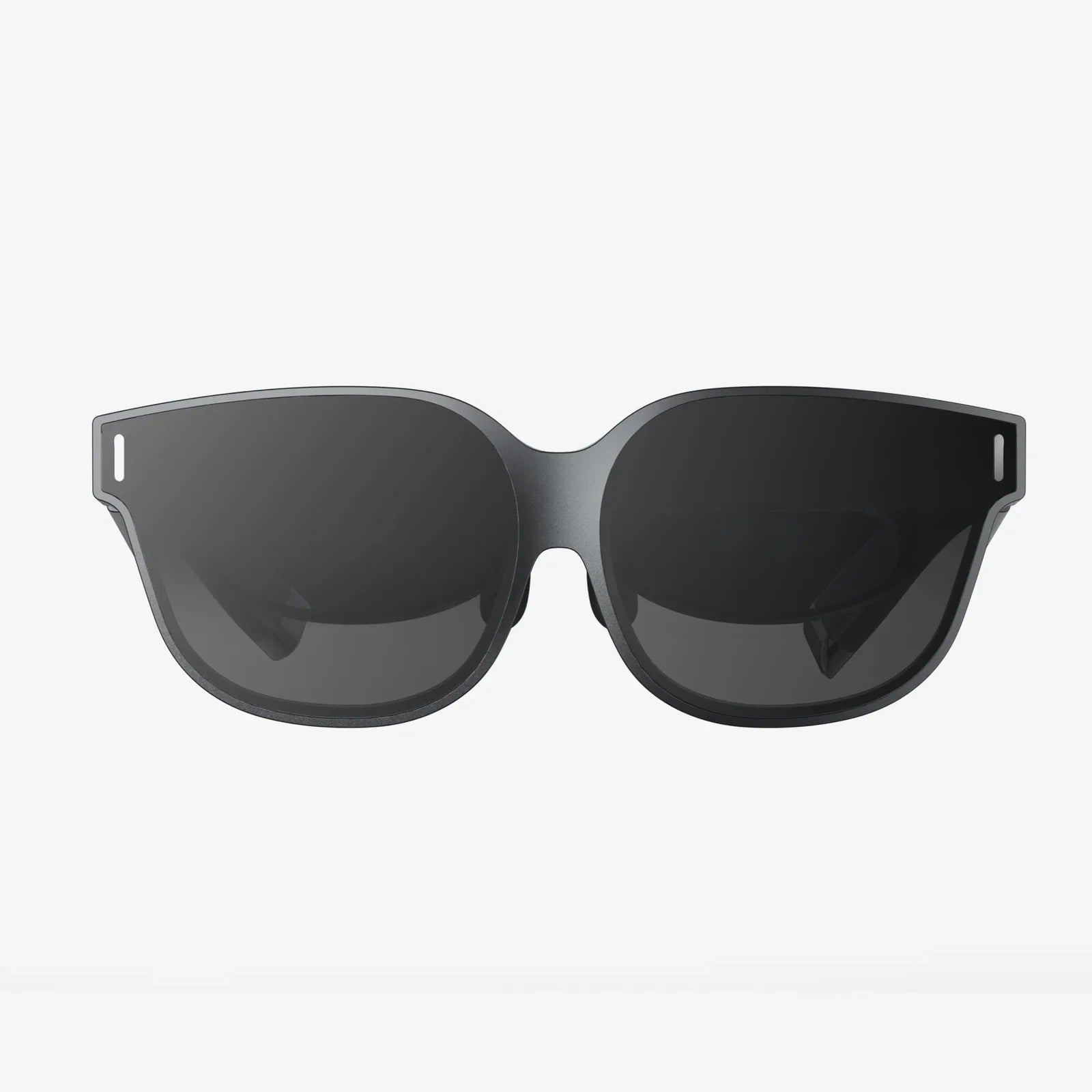
Imagine walking through the vibrant streets of Soweto, and with a simple voice command, historical overlays spring to life before your eyes, narrating the stories of the past. Or picture a technician in a remote corner of the Eastern Cape receiving real-time, hands-free guidance from an expert in Johannesburg to repair a critical piece of medical equipment. This is not a distant science fiction fantasy; it is the imminent future being unlocked by augmented reality glasses in South Africa. This nascent technology, once the preserve of global tech hubs, is now finding a unique and profoundly impactful home in the Rainbow Nation, promising to reshape its socio-economic fabric in ways we are only beginning to comprehend.
The Technological Leap onto African Soil
The global journey of augmented reality glasses has been one of rapid evolution. From clunky, expensive prototypes, the technology has matured into sleek, more accessible wearable computers. These devices function by superimposing digital information—images, text, 3D models, and data streams—onto the user's view of the physical world. This seamless blend of the real and the virtual is achieved through a combination of advanced sensors, cameras, processors, and transparent lenses. For a nation like South Africa, which has consistently demonstrated a remarkable ability to leapfrog legacy technologies—most notably with the widespread adoption of mobile money and connectivity—AR glasses represent the next frontier in this digital acceleration.
The initial forays into the South African market are being driven by a confluence of factors. Increasing internet penetration, albeit with challenges, and the rollout of faster mobile networks provide the essential connectivity backbone. Furthermore, a growing tech-savvy population and a vibrant startup ecosystem in hubs like Cape Town and Johannesburg are creating a fertile ground for innovation. Local developers and entrepreneurs are not merely looking to import foreign solutions; they are actively exploring use cases tailored to the specific challenges and opportunities present within the South African context.
Transforming Industries and Empowering Workforces
The potential for enterprise and industrial application is arguably the most immediate and compelling driver for the adoption of AR glasses in South Africa. The technology offers powerful tools to enhance efficiency, safety, and productivity across key sectors of the economy.
Manufacturing and Engineering
On factory floors from Rosslyn to Durban, AR glasses can revolutionize complex assembly, maintenance, and quality control processes. A technician wearing AR glasses can see digital work instructions overlaid directly onto the machinery they are servicing. This eliminates constant referrals to paper manuals or tablet screens, freeing up hands and reducing errors. An expert engineer located hundreds of kilometers away can see exactly what the on-site technician sees and can annotate their field of view with arrows, notes, and diagrams to guide them through a repair, effectively teleporting expertise to where it is needed most. This is a game-changer for managing intricate infrastructure and minimizing costly downtime.
Healthcare and Medicine
The South African healthcare system, characterized by a stark divide between well-resourced urban centers and under-served rural areas, stands to benefit enormously. Medical students can practice complex surgical procedures on virtual patients, receiving instant feedback without risk. Surgeons in central hospitals can use AR overlays during operations to view critical patient data, such as heart rate or MRI scans, without looking away from the operating field. Most transformative could be the use of AR glasses by community health workers or nurses in remote clinics. They could be guided through diagnostic procedures or treatment plans by doctors in major cities, dramatically improving the quality of care in the most vulnerable communities.
Mining and Heavy Industry
South Africa's mining industry, a historic pillar of its economy, is fraught with hazards. AR glasses can enhance safety by providing miners with real-time data on air quality, structural integrity warnings, and emergency exit routes overlay directly onto their environment. In training simulations, new recruits can be immersed in virtual mine shafts to learn safety protocols and operate heavy machinery in a completely risk-free environment, preparing them for real-world scenarios with greater confidence and competence.
Redefining Education and Cultural Experiences
Beyond the factory and the clinic, AR glasses hold the promise of revolutionizing learning and tourism. Imagine a history lesson where students, wearing AR glasses, can witness a 3D reenactment of the Battle of Isandlwana or the signing of the Freedom Charter right in their classroom. Biology students could dissect a virtual frog or walk through a human heart. This interactive, immersive form of education can cater to different learning styles and make complex subjects tangible and engaging, potentially helping to bridge educational gaps.
For tourism, one of South Africa's vital industries, the applications are boundless. Tourists exploring Robben Island could see overlays of the prison as it was during the apartheid era, with stories from former inmates narrated as they walk. A self-drive safari in Kruger National Park could be transformed, with glasses identifying animal species, providing information about their behavior, and even translating bird calls. This creates a deeply enriched, personalized, and educational experience for visitors, adding immense value to the tourism sector.
Navigating the Challenges: A South African Reality Check
Despite the exciting potential, the path to widespread adoption of augmented reality glasses in South Africa is not without significant obstacles. The most glaring challenge is cost. High-end AR devices remain a substantial investment, placing them out of reach for most individuals and many small-to-medium enterprises. While prices are expected to fall as technology evolves and competition increases, this currently limits access to larger corporations and well-funded institutions.
Connectivity is another major hurdle. For cloud-based processing and real-time remote collaboration, a stable, high-bandwidth internet connection is crucial. While urban centers may have this infrastructure, large swathes of the country, particularly rural areas, still suffer from unreliable and expensive internet access. This digital divide could prevent the very communities that could benefit most from remote expert guidance from accessing the technology, potentially exacerbating existing inequalities.
Furthermore, issues of data privacy, security, and digital literacy must be addressed. The constant recording and processing of a user's environment raise serious questions about data ownership and usage. There are also social and cultural considerations; the concept of being constantly "plugged in" and the etiquette of wearing glasses that can record video in social situations will need to be navigated carefully.
The Road Ahead: A Collaborative and Inclusive Future
The successful integration of augmented reality glasses into the South African landscape will require a concerted and collaborative effort. Policymakers need to create forward-thinking regulations that encourage innovation while protecting citizens. Educational institutions must begin incorporating AR literacy into their curricula to prepare the next generation of creators and users. Most importantly, the development of applications must be driven by local needs. Solutions designed for the specific challenges of South African agriculture, mining, healthcare, and education will have the greatest impact.
Initiatives that explore shared-access models, such as device leasing for rural clinics or community tech hubs, could help democratize access. The focus should not be on the glasses themselves, but on the transformative information and connection they deliver. The ultimate goal is to use this technology not as a divisive tool, but as a bridge—a bridge that connects expert knowledge to novice hands, urban resources to rural needs, and the rich stories of the past to the curious minds of the present.
The dawn of augmented reality in South Africa is more than just a technological shift; it is the opening of a new lens through which to see, understand, and improve the world. It promises a future where a surgeon in Cape Town can steady the hand of a colleague in Limpopo, where a child in Khayelitsha can walk with dinosaurs in their schoolyard, and where the complex machinery that powers the nation can be maintained with flawless precision. The potential is not just to augment reality, but to fundamentally enhance the human experience across the entire spectrum of South African society, forging a new path toward a more connected, efficient, and enlightened future.
Share:
Augmented Reality Phone Glasses: The Invisible Computer Reshaping Reality
Sunglass Bluetooth: The Ultimate Fusion of Audio Tech and Eye Protection